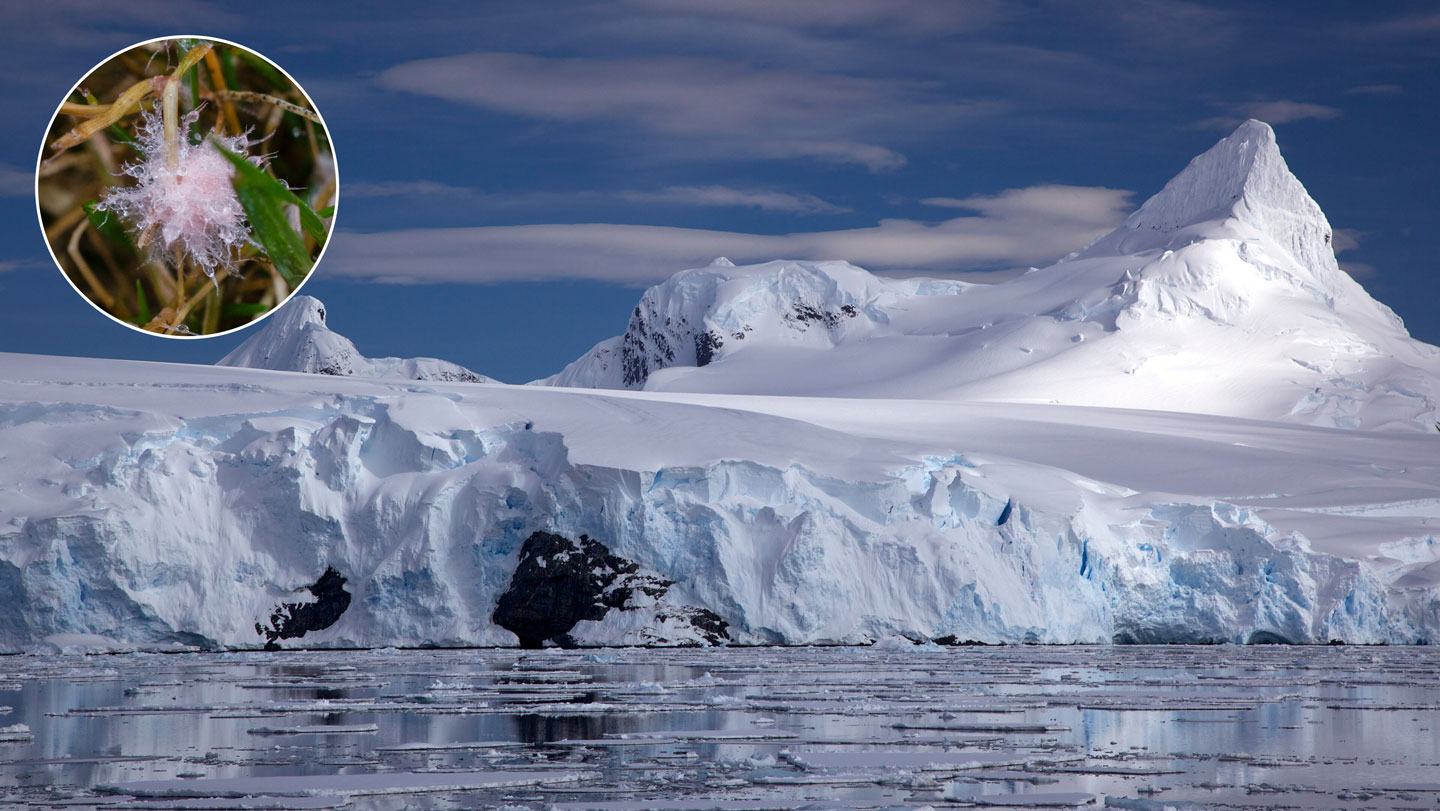
Warming Climates to Double Plant Fungal Pathogens in Antarctic Soil by 2100
As the Antarctic Peninsula undergoes significant climatic shifts, the environmental landscape is witnessing a transformation in its microbial composition. New research indicates that rising soil temperatures are creating a more hospitable environment for plant fungal pathogens, a shift that could fundamentally alter the ecological stability of the region. This evolution in soil biology serves as a sentinel for broader environmental health concerns, necessitating a rigorous investigation into how changing climate patterns influence pathogen virulence and distribution.
Key Clinical Takeaways:
- The warming of Antarctic soils is directly linked to an increase in the abundance and diversity of plant fungal pathogens.
- Projections suggest that the prevalence of these pathogens could double by the year 2100, impacting native vegetation.
- This research utilizes soil DNA analysis across a longitudinal gradient from Chile to the Antarctic Peninsula to establish these findings.
The Pathogenesis of Climate-Driven Fungal Expansion
The transition of Antarctica’s polar desert into a more biologically active environment is not merely a matter of temperature. it is a complex intersection of soil chemistry and microbial adaptation. The study, which leverages high-throughput sequencing of soil DNA, provides a granular view of how fungal communities respond to thermal stress. Pathogenesis in these environments is often limited by extreme temperatures, which serve as a natural barrier to the colonization of more aggressive fungal species. As these barriers erode, the potential for host-pathogen interactions increases significantly.
The mechanism of action involves the migration of fungal spores and the accelerated metabolic activity of dormant populations within the soil matrix. This process is analogous to the shifts observed in temperate zoonotic diseases, where environmental changes alter the transmission dynamics of infectious agents. For clinicians, the relevance of this research lies in the broader understanding of how environmental stressors modulate the survival and proliferation of pathogenic organisms, a concept central to modern epidemiology and infectious disease surveillance.
Data-Driven Insights and Longitudinal Analysis
The research, which was supported by international scientific grants, represents a collaborative effort to quantify the microbial risks associated with rapid climate change. By analyzing soil samples collected along a latitudinal gradient, the investigators established a clear correlation between increased soil temperature and the richness of fungal communities that exhibit pathogenic potential. These findings highlight the importance of maintaining robust environmental health monitoring systems to detect shifts in biological hazards before they reach a critical threshold.
“The data suggests that we are moving toward a tipping point where native Antarctic flora, which have evolved in an environment of extreme isolation, will face unprecedented pressure from fungal species that are increasingly capable of thriving in warmer, more nutrient-available soils.”
This insight underscores the necessity of proactive environmental surveillance. Just as healthcare providers must stay informed of emerging diagnostic protocols to combat shifting patterns in human pathology, environmental scientists must utilize these genomic insights to predict the future health of fragile ecosystems. The integration of genomic data into long-term ecological forecasting is the new standard of care in environmental risk management.
Clinical Triage and the Future of Environmental Surveillance
The implications of this research extend beyond the Antarctic circle. Understanding the molecular triggers of fungal proliferation is vital for those managing the intersection of climate and public health. As the prevalence of these organisms increases, the risk of cross-contamination and the introduction of non-native pathogens into previously sterile environments becomes a tangible concern. Organizations managing international research or logistics in polar regions should consult with biosecurity and compliance experts to ensure that their operational protocols align with the latest biological safety standards.
The trajectory of this research suggests that the next decade will be characterized by a more refined understanding of how fungal pathogens adapt to climate-altered niches. This will likely involve advanced modeling of spore dispersal and the impact of host immunity in plant species. As we continue to monitor these developments, the focus must remain on the intersection of data accuracy and predictive preventative action. For professionals tasked with managing institutional health and safety, staying abreast of these emerging biological trends is essential for effective long-term planning.
The scientific community remains committed to longitudinal studies that will further elucidate the relationship between soil DNA composition and ecosystem resilience. By identifying the specific genetic markers of these pathogens, researchers are creating a roadmap for monitoring the health of remote environments with the same precision and rigor applied to clinical diagnostics.
Disclaimer: The information provided in this article is for educational and scientific communication purposes only and does not constitute medical advice. Always consult with a qualified healthcare provider regarding any medical condition, diagnosis, or treatment plan.