
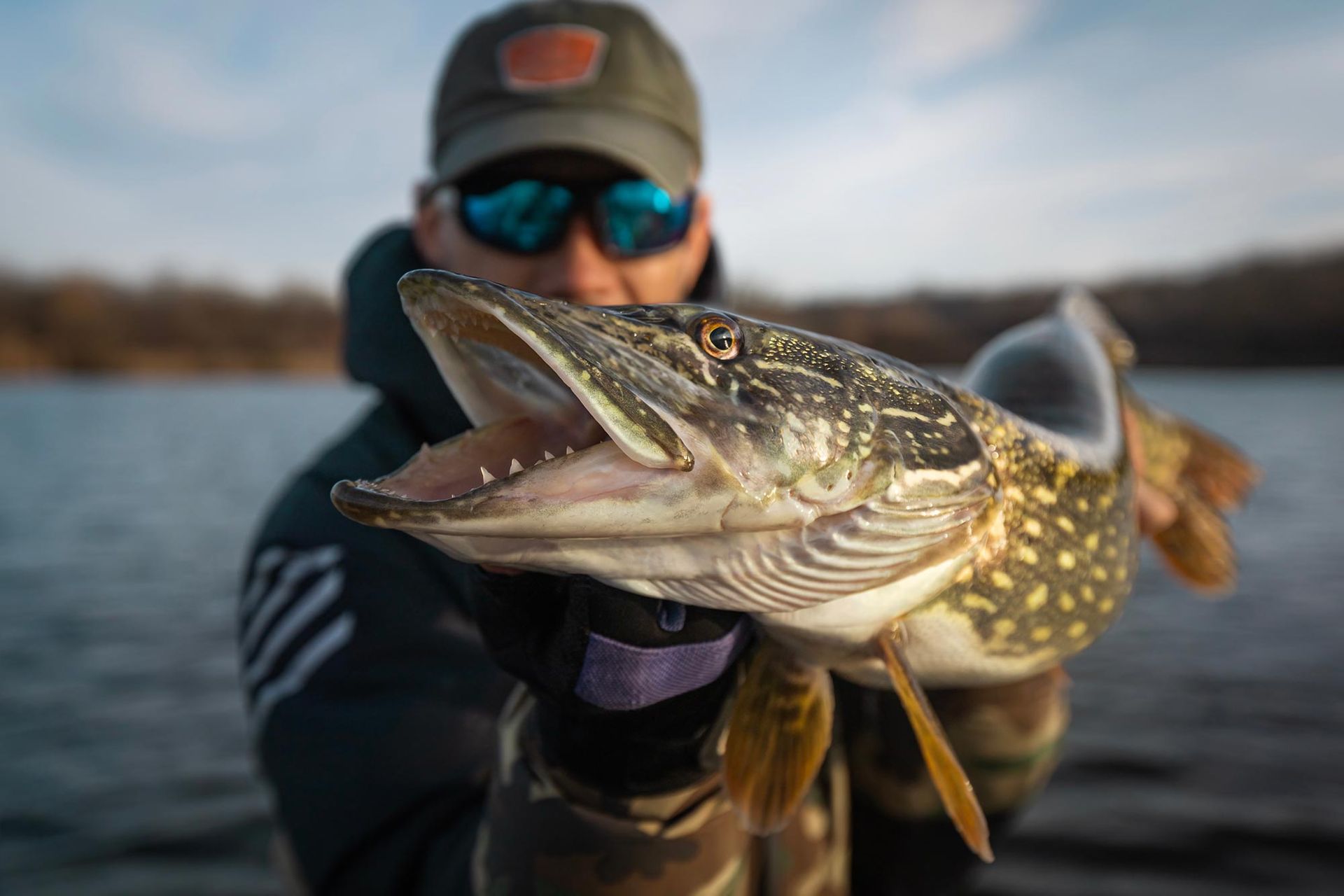
Warmer Waters Drive Increased Predation by Northern Pike in Alaska
Warming water temperatures in Alaska’s Deshka River are driving increased predation by Northern Pike on juvenile salmon, according to novel research from the University of Alaska Fairbanks (UAF). A study published in the journal Biological Invasions details how the metabolic rate of the invasive pike increases with warmer water, leading to a significant rise in their consumption of young fish.
Researchers analyzed the stomach contents of Northern Pike caught in the Deshka River during the summers of 2021 and 2022, comparing their findings to data collected approximately a decade earlier. The analysis revealed that as water temperatures rose, pike of all age groups consumed more fish. The most substantial increase was observed in one-year-old pike, with fish consumption increasing by 63 percent.
The Deshka River, a 44-mile-long waterway in south-central Alaska, is a vital sport fishing stream known for its runs of Chinook and coho salmon, as well as populations of grayling, burbot, northern pike and rainbow trout. The presence of the non-native Northern Pike poses a threat to these native species, particularly as their populations struggle with other environmental pressures.
The study’s findings are particularly concerning given the observed warming trend in the region. Average summer air temperatures in the area have increased by approximately 1.7 degrees Celsius since 1919, with an additional 0.4 degrees Celsius increase in the last decade. Water temperatures in the Deshka River, a tributary of the Susitna River, are similarly consistently above historical averages.
Researchers found that although pike were consuming more fish the proportion of salmon in their diet had decreased compared to a decade ago. However, the study authors attribute this not to a reduction in predation pressure, but rather to a general decline in salmon populations within the Deshka River itself.
UAF is currently conducting further research into the impact of invasive Northern Pike on the Deshka River watershed, specifically assessing how pike predation on juvenile salmon may change in response to continued warming water temperatures. This research builds on existing efforts to understand and mitigate the effects of invasive species on Alaskan ecosystems.
The study’s authors emphasize that the consequences of warming waters extend beyond the direct impact on salmon populations. They argue for a broader consideration of the entire freshwater ecosystem, recognizing that increased temperatures affect the complex relationships between predators, prey, and pathogens, potentially accelerating the degradation of these environments. Further research is needed to understand these indirect effects and inform effective conservation strategies.
Climate models suggest that the warming trend will continue throughout the 21st century, potentially leading to a 6-12 percent increase in Northern Pike consumption of fish by 2100. The Matanuska-Susitna Borough owns much of the land along the lower ten miles of the Deshka River, and is involved in ongoing efforts to manage the river’s resources.