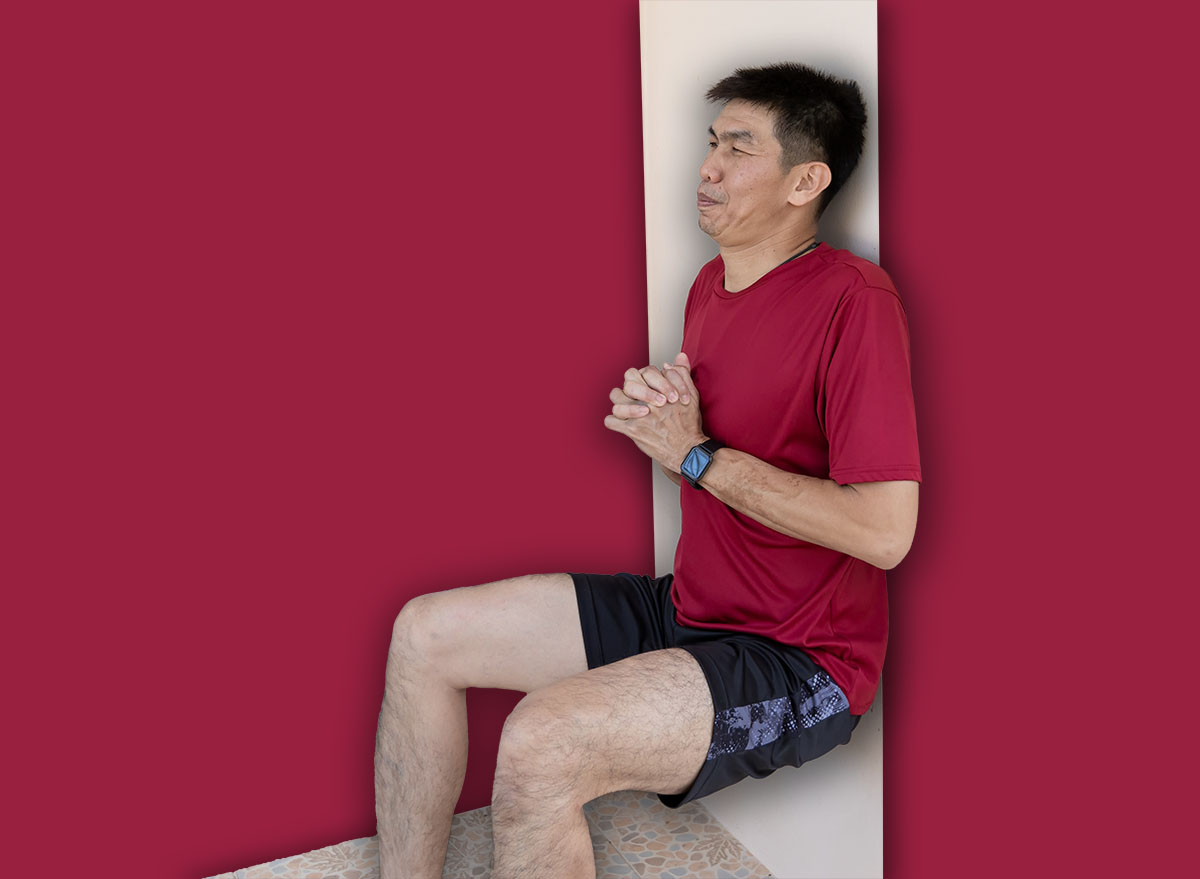
Wall Sits After 60: The Ultimate Lower Body Strength Test
Lower-body power is not merely a metric of athletic performance; for the aging population, it is a primary determinant of functional autonomy. As the musculoskeletal system undergoes age-related degradation, the ability to maintain a simple isometric hold—like the wall sit—becomes a critical diagnostic window into a patient’s risk for mobility loss and subsequent morbidity.
- Key Clinical Takeaways:
- The Elite Benchmark: For adults over 60, the ability to maintain a wall sit for 60 seconds or more is categorized as “elite” lower-body power.
- Functional Thresholds: A hold of 30 to 45 seconds indicates strong functional strength, essential for activities of daily living (ADLs).
- Integrated Protocol: Combining isometric holds with dynamic movements—squats, sit-to-stands, and step-ups—optimizes balance and kinematic stability.
The clinical challenge facing the over-60 demographic is the progressive onset of sarcopenia—the involuntary loss of skeletal muscle mass and strength. This pathogenesis often goes unnoticed until a critical threshold is crossed, resulting in a diminished capacity for walking, climbing stairs, or recovering from a stumble. When lower-body power declines, the risk of falls increases exponentially, often leading to fractures that precipitate a rapid decline in overall health. The wall sit serves as a deceptively simple tool to quantify this risk, placing the quadriceps, glutes, and hamstrings under constant tension without changing muscle length.
The Physiology of Isometric Tension and Functional Longevity
Unlike dynamic exercises, isometric holds like the wall sit create a state of continuous muscular tension. This mechanism is vital for developing muscular endurance—the capacity of a muscle to maintain force over a prolonged period. From a clinical perspective, this endurance is what allows an older adult to stand from a chair without assistance or maintain balance on an uneven surface. According to research indexed in PubMed, isometric training can lead to significant improvements in muscle strength and may assist in managing hypertensive markers by reducing peripheral vascular resistance.

“The wall sit is a simple test, but it tells you a lot about lower-body strength and endurance,” states Abbie Watkins, CPT, a certified personal trainer with OriGym. “For those over 60, being able to hold a wall sit with good form for 30 to 45 seconds is a strong indicator of functional strength, but anything longer than 60 seconds is impressive and can be considered ‘elite’ for this age group.”
For patients who find themselves falling below the 30-second threshold, the priority shifts from “elite” performance to “functional” recovery. Addressing these deficits requires a structured approach to hypertrophy and neuromuscular coordination. For individuals experiencing chronic joint pain or severe muscle atrophy, it is imperative to consult with [Board-Certified Physical Therapists] to develop a tailored rehabilitation plan that avoids joint overloading while maximizing muscle recruitment.
A Comprehensive Protocol for Lower-Body Restoration
To move from a baseline of weakness to the elite 60-second mark, a multi-modal approach is required. Relying solely on isometrics can depart gaps in a patient’s dynamic stability. The following exercises are designed to complement the wall sit by introducing concentric and eccentric loading, which are essential for maintaining the structural integrity of the lower extremities.

The Wall Sit: The Diagnostic Anchor
The wall sit challenges the entire lower body’s ability to maintain tension. To perform this with clinical precision: stand with the back flat against a wall and step the feet forward 18 to 24 inches. Slide down until the knees are bent at approximately 90 degrees, ensuring the knees remain aligned over the ankles. The lower back should be pressed gently into the wall, the core engaged, and the chest upright. Breathing must remain steady through the nose to avoid the Valsalva maneuver, which can cause dangerous spikes in blood pressure in older adults.
Dynamic Integration: Squats and Sit-to-Stands
Bodyweight squats introduce dynamic movement, targeting the same muscle groups as the wall sit but adding a range-of-motion component. By lowering the hips until thighs are parallel to the floor and pausing for one to two seconds, patients can improve their myofibrillar hypertrophy. Similarly, sit-to-stands focus on the most critical ADL: the transition from sitting to standing. This exercise builds the functional power required to prevent dependence on caregivers. Performing two to three sets of 10 to 12 reps, with controlled descents, ensures the muscle is worked through its full eccentric phase.
Unilateral Stability: The Role of Step-ups
Balance is often the first casualty of aging. Step-ups address unilateral strength—the ability of each leg to support the body’s weight independently. This is crucial for climbing stairs and navigating urban environments. By pushing through the front foot and maintaining an upright posture, patients improve their proprioception and coordination. This reduction in bilateral dependency is a key factor in decreasing fall-related morbidity, a primary focus of the World Health Organization’s guidelines on healthy aging.
Clinical Triage and Systemic Implementation
While home-based exercises are effective for maintenance, the transition from frailty to “elite” strength often requires professional oversight. The risk of contraindications—such as severe osteoarthritis or cardiovascular instability—means that a “one size fits all” approach is clinically irresponsible. Patients presenting with significant mobility limitations should seek a comprehensive evaluation from [Geriatric Medicine Specialists] to rule out underlying metabolic or neurological causes for muscle loss.
for healthcare facilities looking to integrate these functional tests into their standard of care, establishing a baseline for lower-body power can provide early warnings for patients at risk of hospitalization. Implementing these screenings requires a multidisciplinary approach, often involving the coordination of [Medical Rehabilitation Centers] to ensure that the transition from diagnostic testing to active intervention is seamless and safe.
The Future of Functional Power in Geriatric Care
The shift toward “functional longevity” marks a departure from simply extending life to extending the *quality* of life. The wall sit is more than a fitness challenge; it is a proxy for independence. As we further understand the intersection of isometric tension and neurological health, the integration of these simple, low-impact tests into routine geriatric screenings will likely develop into the standard of care. The goal is not merely to reach a 60-second hold, but to ensure that the physical capacity to navigate the world remains intact well into the eighth and ninth decades of life.
To ensure your mobility remains a catalyst for independence rather than a barrier, we encourage you to utilize our directory to find vetted healthcare providers and specialists who prioritize evidence-based functional strength training.
Disclaimer: The information provided in this article is for educational and scientific communication purposes only and does not constitute medical advice. Always consult with a qualified healthcare provider regarding any medical condition, diagnosis, or treatment plan.