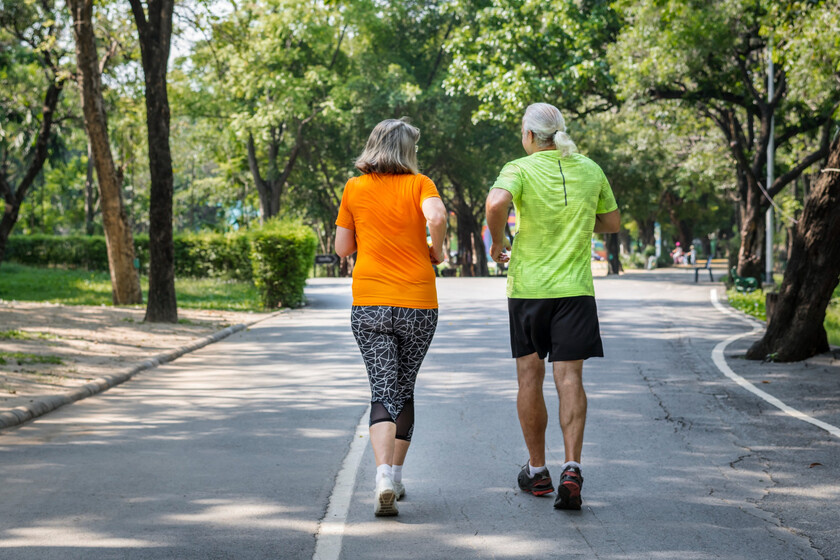
Walking Speed as a Powerful Biomarker for Longevity and Health
Walking speed functions as a powerful clinical biomarker of overall health and biological aging, predicting mortality rates and chronic disease risks with a precision comparable to established clinical metrics like body mass index and smoking history. Recent longitudinal studies published in peer-reviewed journals such as JAMA and Mayo Clinic Proceedings establish that gait velocity integrates the functional capacity of the cardiovascular, pulmonary, neurological, and musculoskeletal systems, offering clinicians an accessible metric to evaluate patient longevity and systemic vitality.
- Data from cohort studies published in JAMA tracking older adults demonstrate that each 0.1 meters per second increase in walking speed correlates with a 12% reduction in premature mortality risk.
- Research detailed in Mayo Clinic Proceedings analyzing data from UK participants indicates that gait speed frequently outperforms conventional vital signs like blood pressure in forecasting long-term survival.
- Longitudinal investigations such as the Dunedin Study link slow walking speeds in midlife to accelerated biological aging and a heightened susceptibility to cognitive decline.
Epidemiological Evidence and Mortality Projections
In a landmark individual-participant data meta-analysis published in JAMA, investigator Stephanie Studenski and colleagues at the University of Pittsburgh evaluated nine separate prospective cohort studies comprising 34,485 adults aged 65 and older. The findings revealed that gait speed scales directly with survival probability over follow-up periods ranging from 6 to 21 years. Specifically, for every incremental gain of 0.1 meters per second in walking velocity, the hazard ratio for all-cause mortality dropped significantly. By age 75, baseline survival estimates over a ten-year window varied dramatically depending on pace: men walking at slower velocities faced a mortality probability, whereas those maintaining a brisk pace preserved an 87% chance of survival. Among women in the same age cohort, survival probabilities spanned from 35% to 91% based directly on gait speed.
These predictive capabilities match the diagnostic utility of standard geriatric assessments. The underlying pathophysiology reflects the multi-system demands of locomotion. Bipedal ambulation requires simultaneous communication between central and peripheral nervous systems, adequate myocardial output, uncompromised pulmonary gas exchange, and skeletal muscle integrity. When subtle deficits degrade any single component, gait velocity declines.
Comparative Biomarkers and Biological Aging Markers
Expanding on traditional geriatric metrics, analyses of large-scale biobanks show that pace serves as a robust indicator of systemic resilience. Data examined in Mayo Clinic Proceedings from a UK cohort demonstrated that self-reported and objectively measured walking pace predicts longevity independently of traditional risk factors. Furthermore, findings from the Dunedin Study—which followed a birth cohort for five decades starting at age three—demonstrated that individuals who exhibited slower gait speeds by midlife (age 45) displayed biological aging markers up to five years ahead of peers with faster walking speeds, alongside structural brain differences and neurocognitive decline.

Implementing structured physical activity regimens under professional guidance helps interrupt the cycle of deconditioning that accelerates morbidity. As noted in related preventive cardiology literature, even modest bouts of brisk walking—such as 15 minutes daily—lower cardiovascular event rates and attenuate vascular stiffness.
Clinical Trajectory and Therapeutic Implications
The clinical utility of measuring gait speed extends beyond static prognosis; it provides a modifiable target for intervention. Because reduced velocity frequently initiates a negative feedback loop of avoidance, diminished physical activity, and progressive sarcopenia, reversing this trajectory requires structured exercise prescription. Clinical trials continue to evaluate how targeted resistance training and aerobic conditioning improve gait parameters in aging populations, supporting long-term functional independence and reducing healthcare utilization.
