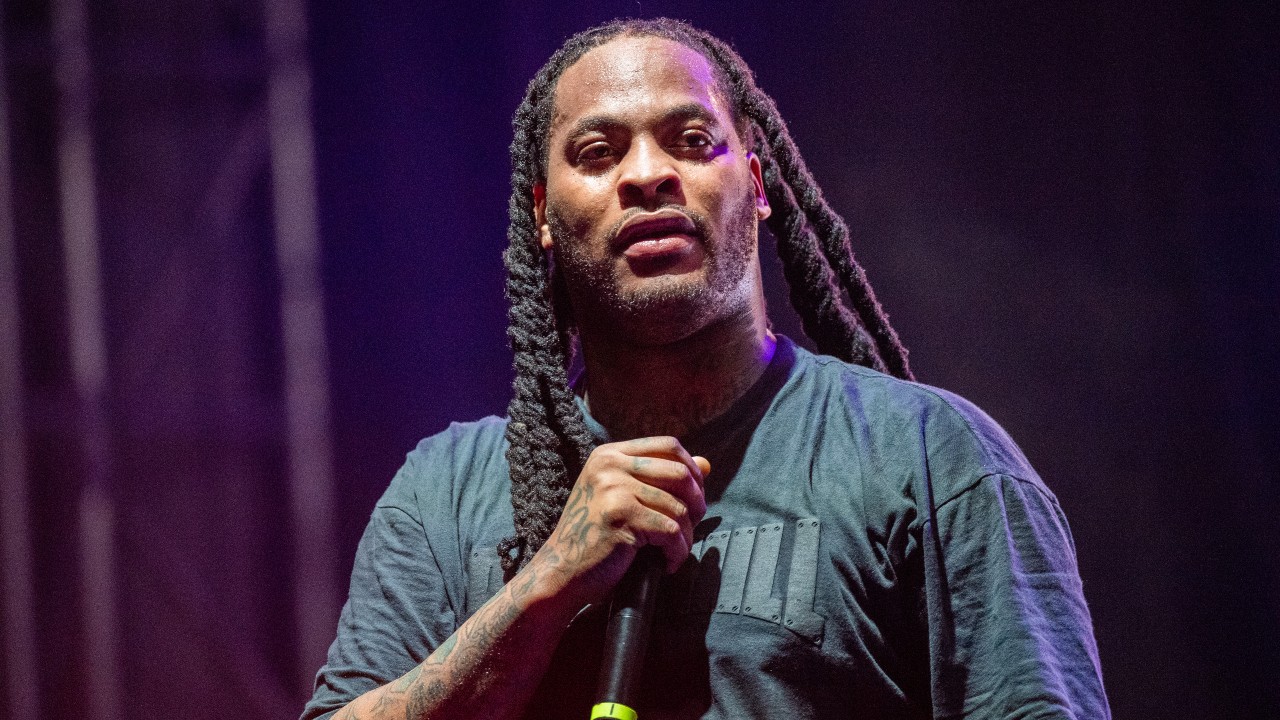
Waka Flocka Reacts To Gucci Mane/Pooh Shiesty Kidnapping Case
Waka Flocka Flame publicly distanced himself from the January 2026 kidnapping allegations involving Gucci Mane and Pooh Shiesty. Via X (Twitter), the Atlanta rapper rejected speculation of celebrating his cousin’s legal turmoil, emphasizing a lack of alignment while refusing to engage in public mockery. This strategic silence protects his own brand equity amidst a high-profile Department of Justice investigation.
The Economics of Silence in the Trap Ecosystem
In the hyper-volatile economy of Atlanta trap music, silence is often more valuable than a diss track. On April 2, 2026, Waka Flocka Flame executed a masterclass in reputation management, shutting down viral speculation regarding the arrest of Pooh Shiesty and Big 30. The allegations, tied to a January 10 incident involving Gucci Mane, carry the weight of federal kidnapping and robbery charges. For an artist like Waka, whose career was built on the chaotic energy of the Brick Squad Monopoly era, the decision to not “kick a man while he’s down” signals a maturation of the genre’s business practices.
The incident strikes at the heart of the region’s musical heritage. Gucci Mane and Waka Flocka are not just contemporaries; they are foundational IP holders in the trap narrative. Their fractured relationship, stemming from management disputes involving Deb Antney and financial disagreements dating back to 2010, represents a significant rift in the genre’s history. When rumors surfaced that Waka might capitalize on Gucci’s alleged victimization or legal entanglements, the potential for brand damage was catastrophic. Engaging in the spectacle would have diluted Waka’s current market positioning as a matured industry veteran and reality television personality.
“When a legacy artist is tangentially linked to a federal DOJ case involving violent crimes, the immediate priority is narrative containment. Waka’s tweet wasn’t just a statement; it was a firewall against guilt by association.”
Industry analysts note that the social media sentiment surrounding the arrest shifted rapidly from shock to speculation about internal rap feuds. However, Waka’s blunt message—”Man y’all out yo fucking mind if you think I’m a celebrate wop situation”—served as a definitive cease-and-desist to the rumor mill. By acknowledging they are “ain’t on one accord” while refusing to celebrate the tragedy, he navigated the narrow path between honesty and loyalty. This is the kind of nuanced communication that requires top-tier crisis communication firms and reputation managers to orchestrate, ensuring that personal history does not bleed into professional liability.
Federal Implications and the Defense of Brand Assets
The legal stakes extend far beyond social media clout. The Department of Justice does not pursue kidnapping and conspiracy charges lightly. Per the filed court docket details circulating in legal circles, the involvement of multiple high-profile artists turns a criminal case into a media circus that complicates jury selection and defense strategy. For the accused, the immediate need shifts from public relations to aggressive legal defense. The intersection of celebrity status and federal criminal law creates a unique pressure cooker where every public statement can be subpoenaed as evidence.
Entertainment attorneys emphasize that in cases involving organized crime allegations or conspiracy, the “crew” dynamic often becomes a prosecutorial tool. Waka’s explicit statement that the situation is “none of my business carrying [Brick Squad emojis]” is a legal as well as a social boundary. He is effectively testifying to his non-involvement in the public square, creating a record of distance that could be vital should investigators cast a wide net. This is why artists at this level retain specialized entertainment criminal defense attorneys who understand how to manage public perception without compromising legal strategy.
The financial implications for the wider Brick Squad brand are also non-trivial. While the collective’s peak commercial dominance occurred in the early 2010s, the catalog continues to generate backend gross through streaming and syndication. Negative press surrounding key figures can depress streaming numbers and scare off brand partnerships for associated artists. A scandal of this magnitude threatens the music licensing and publishing revenue streams that rely on a clean, or at least manageable, public image.
The Shift from Street Credibility to Corporate Longevity
Waka Flocka’s response highlights a broader trend in the hip-hop industry: the transition from street credibility to corporate longevity. In 2026, the most valuable asset an artist possesses is not their ability to win a beef, but their ability to remain employable across multiple verticals—television, investing, and music. Gucci Mane’s own reinvention post-incarceration proved that redemption is a viable business model. Waka’s refusal to antagonize a fallen peer suggests he understands that the ecosystem is slight, and today’s rival could be tomorrow’s collaborator or business partner.

the incident underscores the volatility of managing talent with deep ties to street environments. Management teams and labels must constantly assess the risk profile of their rosters. When an artist is implicated in violent crimes, the liability extends to the label, the producers, and the touring partners. This necessitates a robust infrastructure of talent agencies and management firms that specialize in risk mitigation and contract clauses related to moral turpitude.
As the legal proceedings for Pooh Shiesty and Big 30 unfold, the industry will be watching closely. The outcome will likely dictate the immediate future of several high-profile collaborations and could reshape the power dynamics within the Atlanta scene. For Waka Flocka, the immediate victory is maintaining his standing as a neutral, respected elder statesman of the trap genre. He has successfully decoupled his brand from the chaos, proving that in the modern media landscape, the most powerful move is often the one you don’t make.
The World Today News Directory continues to track the intersection of legal disputes and entertainment branding. For industry professionals seeking to navigate similar high-stakes environments, our vetted network of legal and PR experts provides the necessary infrastructure to protect intellectual property and personal reputation in an unforgiving digital age.
Disclaimer: The views and cultural analyses presented in this article are for informational and entertainment purposes only. Information regarding legal disputes or financial data is based on available public records.