Vocational Training vs. University: How to Choose the Right Path
Deciding between a vocational training program (Ausbildung) and a university degree (Studium) requires a systematic evaluation of personal learning styles, financial timelines, and professional goals. Rather than bowing to external expectations, candidates benefit from analyzing whether they prefer hands-on execution or theoretical research, and how quickly they need to enter the workforce.
The Core Divide: Hands-On Execution Versus Theoretical Research
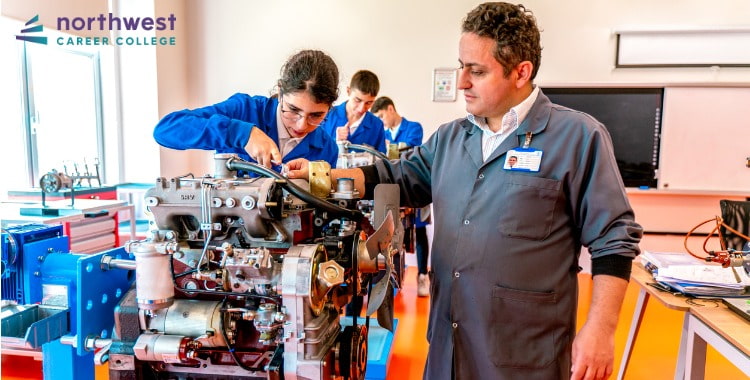
The foundational step in choosing an educational pathway involves determining how an individual absorbs and applies information. Candidates who learn best through experimentation, trial, and direct physical work often find that a vocational training program suits their operational preferences. Conversely, individuals who thrive on reading, analytical breakdown, and scholarly debate lean naturally toward a traditional university track.
Managing Hybrid Models and Degree Pathways
Hybrid models also exist for those unwilling to choose a binary path. Praxis-oriented degree programs and dual study models blend theoretical frameworks with structured corporate practice, though the weight given to each component varies by institution.
Targeting a specific profession often resolves the vocational versus academic dilemma instantly. Certain vocations rely exclusively on traditional apprenticeship models for entry, while other regulated industries require a recognized university qualification. Candidates must research sector-specific prerequisites to avoid misallocating time and resources.
Weighing Financial Timelines and Workforce Entry
Vocational pathways generally offer a faster route to earning a steady income and accumulating tangible professional experience. Graduates from these programs step directly into specialized roles as certified professionals.
Higher education demands a longer capital and time commitment before yielding an initial return on investment. A university degree frequently extends the timeline to full-time employment, but it simultaneously unlocks access to specialized career tracks where an academic credential is a mandatory prerequisite.
Assessing Daily Independence and Institutional Structures
Beyond entry requirements, institutional structures dictate daily autonomy. University students typically manage their own schedules, independent study hours, and self-directed internship hunts. Vocational trainees operate within rigid, clearly defined structures set by their employer and vocational school. Candidates favoring independence find university environments accommodating, whereas others benefit from the immediate structure of an apprenticeship.
Deploying a Four-Part Framework for Educational Orientation
When indecision persists, educational advisors recommend a four-part framework to clarify the choice:
- Interest Analysis: Audit the subjects, themes, and daily tasks that hold genuine long-term engagement.
- Direct Exposure: Complete short-term internships or holiday jobs to test operational realities against expectations.
- Peer Consultation: Interview active university students and current vocational trainees regarding their daily challenges and institutional hurdles.
Discarding external pressures from family or peers ensures that the chosen professional trajectory aligns with personal strengths. A methodical approach to evaluating learning preferences, income timelines, and structural independence ultimately prevents costly educational pivots later in life.