Visit Visby: A Guide to Sweden’s Medieval UNESCO Gem
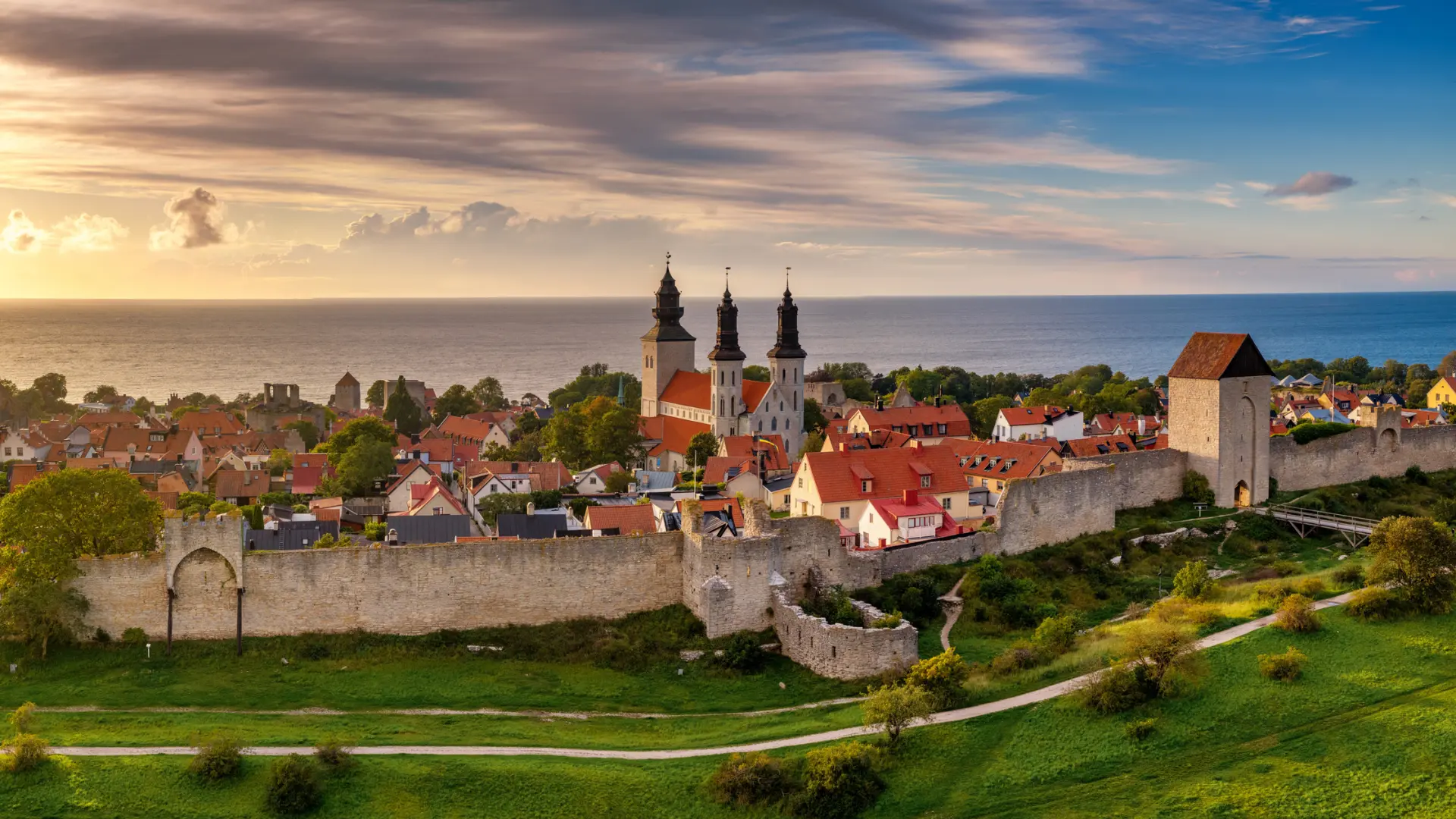
Visby, the medieval capital of Sweden’s Gotland island, remains a premier UNESCO World Heritage site renowned for its 13th-century limestone walls and Gothic architecture. As a strategic Baltic hub, it attracts global travelers and Swedish political elites, blending preserved medieval urbanism with modern geopolitical significance and sustainable tourism.
For most, Visby is a postcard of cobblestones and roses. But for those of us who track the intersection of heritage and economy, it represents a precarious balancing act. The city is not merely a museum. it is a living entity grappling with the friction between extreme seasonal tourism and the preservation of a fragile, centuries-old infrastructure.
The “problem” here is the sustainability of the “secret.” When a destination is branded as a hidden gem, the inevitable surge in visibility puts immense pressure on local zoning laws and the physical integrity of the medieval wall. This creates a desperate require for specialized heritage preservation experts who can modernize utility grids without compromising the aesthetic of the 13th century.
The Fortress of the Baltic: More Than Just Stone
Visby’s ring wall is the most complete medieval city wall in Scandinavia. Stretching roughly 3.5 kilometers, it isn’t just a tourist attraction—it is a boundary that defines the city’s psychic and physical space. Walking the perimeter, you see the Powder Tower, the oldest civil building on Gotland, which transitioned from a military arsenal to a prison, mirroring the island’s own shift from a defensive outpost to a cultural sanctuary.
The architecture is a testament to the Hanseatic League’s influence. The narrow streets of the old center were once the arteries of a massive trading empire. Today, the Strandgatan street still houses warehouses like the House Burmeister, reminding us that Visby was once the economic heartbeat of the Baltic Sea.
“The challenge for Visby is not attracting visitors, but managing the footprint they leave on a city that was never designed for the digital age’s mobility. We are preserving a ghost of the Middle Ages while trying to run a 21st-century economy.”
This tension is most evident in the ruins. With seventeen churches that once dotted the landscape—many now skeletal remains like the Church of St. Karin—the city is a graveyard of ambition. The sheer volume of ruins requires constant, high-cost maintenance. For property owners within the walls, this means navigating a labyrinth of strict Swedish building codes. Many are now turning to specialized real estate attorneys to manage the complexities of owning “protected” heritage properties where a single misplaced brick can lead to municipal fines.
Almedalen: Where Power Meets the Coast
While the Cathedral of St. Maria offers spiritual solace, the park of Almedalen offers political theatre. Every July, this green space becomes the epicenter of Swedish democracy during the Almedalen Week. It is a unique phenomenon where the Prime Minister, cabinet ministers, and CEOs walk the same grass as the general public.
This annual influx of power transforms the local economy. For one week, the demand for high-finish logistics, secure communications, and luxury hospitality spikes by orders of magnitude. The infrastructure of the island is pushed to its limit, creating a seasonal vacuum that requires the intervention of professional corporate logistics firms to ensure the city doesn’t grind to a halt under the weight of the political elite.
The relationship between the Swedish government and the Gotland region is symbiotic but strained. Gotland’s strategic position in the Baltic makes it a focal point for NATO interests and regional security, adding a layer of geopolitical tension to the tranquil image of the botanical gardens.
The Logistics of the Island Journey
Accessing Visby requires a transition from the mainland. The journey typically begins in Nynäshamn, a short trip from Stockholm, followed by a three-hour ferry crossing. This geographic isolation is exactly what preserved the city’s character, but it also creates a bottleneck for the supply chain.

To understand the scale of the operation, consider the following regional data:
| Metric | Impact on Visby | Economic Driver |
|---|---|---|
| UNESCO Status | Strict Building Restrictions | High-Value Heritage Tourism |
| Almedalen Week | Extreme Short-term Demand | Political & Corporate Networking |
| Baltic Geography | Logistical Dependency (Ferries) | Maritime Trade & Transport |
Gastronomy and the Blue Economy
The culinary landscape of Visby is a direct reflection of its geography. The “Blue Economy”—the sustainable apply of ocean resources—is the backbone here. Herring and shellfish dominate the menus, but there is a growing movement toward “hyper-localism,” where lamb from the Gotland interior is paired with seafood from the coast.
However, the seasonal nature of these businesses is a volatility risk. Many establishments operate exclusively in the summer, leaving a ghost-town atmosphere in the winter. This cyclicality makes it difficult for modest business owners to maintain year-round staffing. There is an increasing reliance on strategic business advisors to assist local entrepreneurs diversify their revenue streams beyond the summer peak.
For those seeking a deeper dive into the region’s governance, the Official Region Gotland portal provides insight into the municipal laws governing the island. The UNESCO World Heritage Centre details the specific criteria that preserve Visby under international protection.
The Botanical Garden, founded in 1855, serves as a living bridge between the city’s ruins and its future. Here, the remains of St. Olaf’s church are entwined with medicinal plants and medieval spices, reminding us that nature eventually reclaims everything—unless we are diligent in our preservation.
Visby is a reminder that beauty is often the result of survival. The walls that once kept invaders out now keep a specific, curated identity in. But as the climate shifts and the Baltic waters rise, the very walls that define the city may become its greatest liability. The transition from a “hidden secret” to a global destination is a dangerous path; if the balance between accessibility and authenticity breaks, Visby risks becoming a theme park rather than a living city. For those navigating the complexities of investing or operating within such a sensitive environment, finding verified, local professionals through the World Today News Directory is no longer a luxury—it is a prerequisite for survival.