
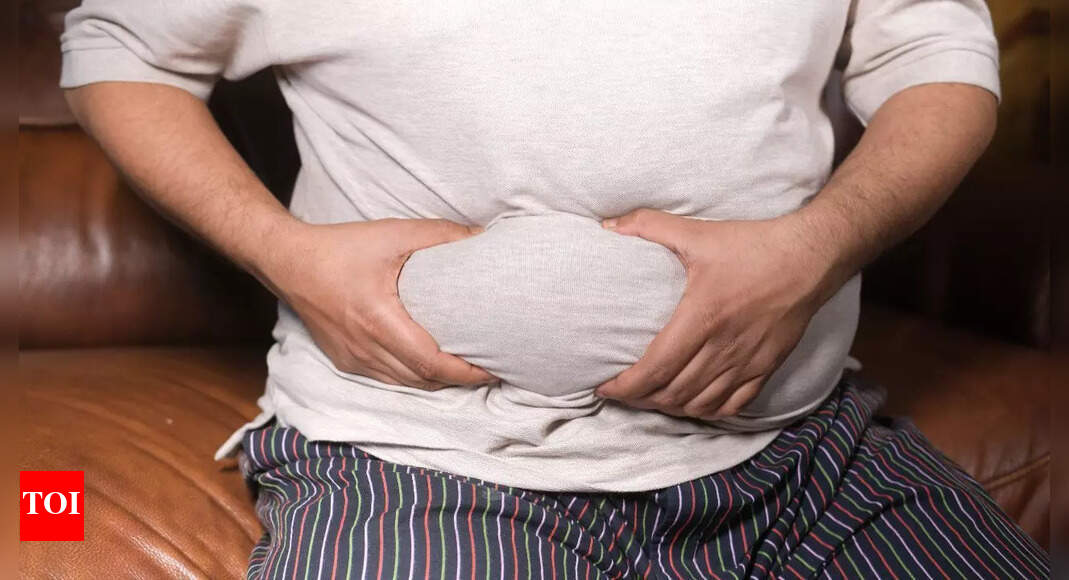
Cardiologist Outlines Rapid Visceral Fat Reduction Strategy for Enhanced Health
New York, NY – October 4, 2025, 10:00:39 AM EST – A leading cardiologist is sharing a surprisingly accessible method for diminishing hazardous visceral fat, teh type stored deep within the abdomen, and substantially improving overall health. Dr. Andrew Freeman, Director of Cardiovascular Prevention & Wellness at National Jewish Health in Denver, emphasizes that targeting this “hidden” fat is crucial for mitigating risks of heart disease, type 2 diabetes, and certain cancers.
Visceral fat differs from subcutaneous fat, the kind visible under the skin. It accumulates around vital organs, releasing harmful hormones and inflammatory substances that disrupt metabolic processes. Recent studies indicate that approximately 10% of Americans have dangerously high levels of visceral fat,a figure that is steadily increasing alongside rising obesity rates. Dr. freeman’s approach focuses on a combination of dietary adjustments and increased physical activity, specifically high-intensity interval training (HIIT), to accelerate fat loss and bolster cardiovascular function.
“The fastest way to burn visceral fat isn’t necessarily hours on the treadmill,” Dr. Freeman explained in a recent interview. “It’s about short bursts of intense exercise followed by brief recovery periods. This method has been shown to be remarkably effective in reducing visceral fat and improving insulin sensitivity.” He recommends incorporating HIIT workouts - such as 30-second sprints followed by 60-second walks, repeated eight to ten times - three times per week.
Alongside exercise, Dr. Freeman stresses the importance of a whole-food, plant-based diet. Reducing processed foods, sugary drinks, and excessive saturated fats is paramount. He advocates for increasing intake of fiber-rich foods like fruits, vegetables, and whole grains, which promote satiety and support healthy gut bacteria. “Diet is arguably even more important than exercise when it comes to visceral fat reduction,” he stated. “You can’t outrun a bad diet.”
The cardiologist’s recommendations align with growing medical consensus on the dangers of visceral fat and the benefits of lifestyle interventions. Experts predict that continued emphasis on preventative measures,like those outlined by Dr. Freeman, will be essential in curbing the escalating rates of chronic diseases linked to excess visceral fat accumulation. Individuals concerned about their visceral fat levels can consult with their healthcare provider for assessment and personalized guidance.
