
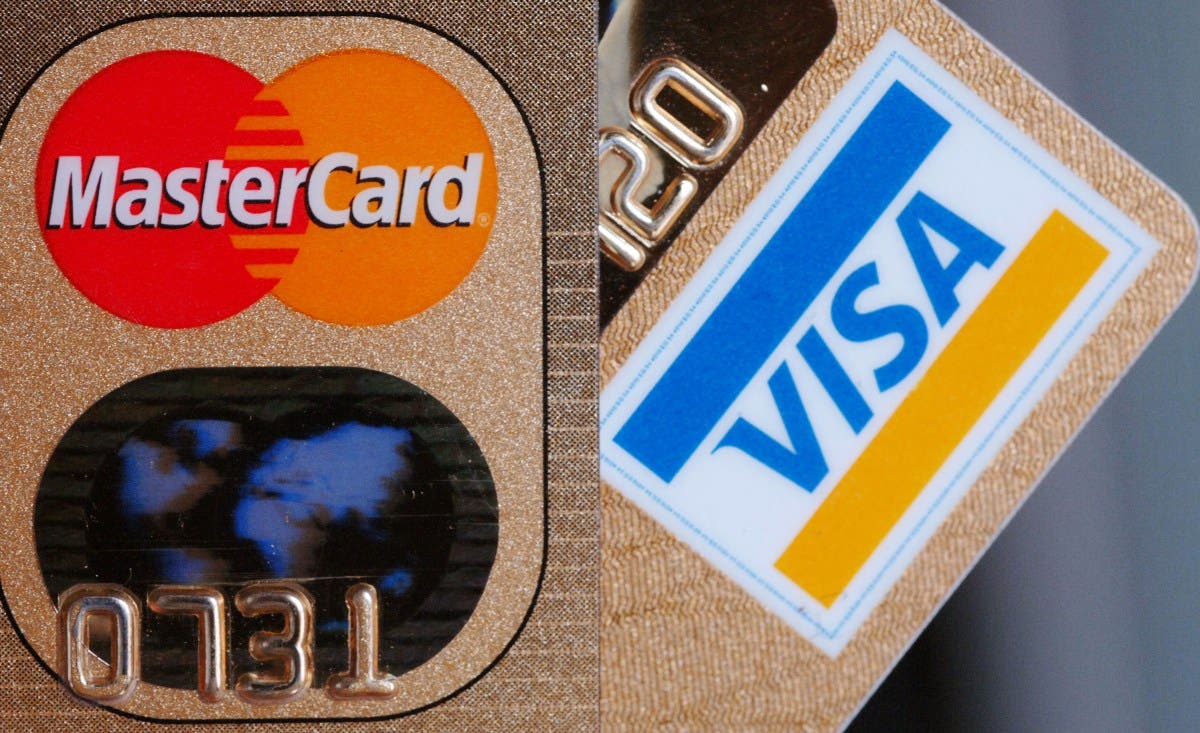
Proposed Settlement Coudl Shift Credit Card fees & Rewards
A proposed settlement between Visa, Mastercard, and a class of U.S. merchants aims to lower credit card fees, but could also lead to changes in card acceptance and rewards programs. The deal, if approved by a U.S. District Court,follows a previous $30 billion settlement plan rejected earlier in 2024 for being insufficient.
The core of the new proposal centers on increased flexibility for merchants. It would allow them to steer customers towards lower-fee payment methods, and potentially impose surcharges on card transactions. Specifically, merchants would gain more leeway in accepting certain card types – including commercial cards, premium consumer cards, and some rewards cards – while potentially declining others.
The agreement estimates potential savings of $200 billion for merchants over its duration, with expert analysis cited in court filings suggesting a total benefit of $224 billion.
How This Could Impact You:
For merchants, the settlement promises greater control over payment processing costs. Though, consumers could face new surcharges when using credit cards, depending on individual merchant decisions. Merchants could also choose to stop accepting certain card types altogether.
Stephanie Martz,General Counsel for the National Retail Federation,cautioned against widespread card rejection,stating,”You can’t just suddenly tell more than 80 percent of your card customers you’re not going to take their cards. You would lose a lot of business.”
The potential for lower swipe fees also raises concerns about the future of credit card rewards. Joanna Stavins,a principal economist and policy adviser at the federal Reserve Bank of Boston,explained to CNN that rewards programs are largely funded by interchange fees. “If you where to lower interchange fees, you probably have to also lower rewards,” she said.
Industry Reactions:
Visa released a statement saying the settlement “would provide meaningful relief, more flexibility, and options to control how they accept payments from their customers” after over two decades of litigation.
However, the deal faces criticism from merchant groups. Doug Kantor, General Counsel of the national Association of Convenience Stores, argues the settlement doesn’t incentivize banks to lower rates, but instead allows Visa and Mastercard to raise their own fees without limitations. he also pointed out the agreement would prevent merchants from directly negotiating rates with different banks.
Looking Ahead:
The proposed settlement now awaits court approval. The outcome will likely have long-term effects on retail pricing and credit card rewards. The ultimate impact on consumers will depend on how retailers utilize the new flexibility in card acceptance, and whether reduced fees translate into lower prices or are offset by new surcharges and continued increases in interchange rates.
