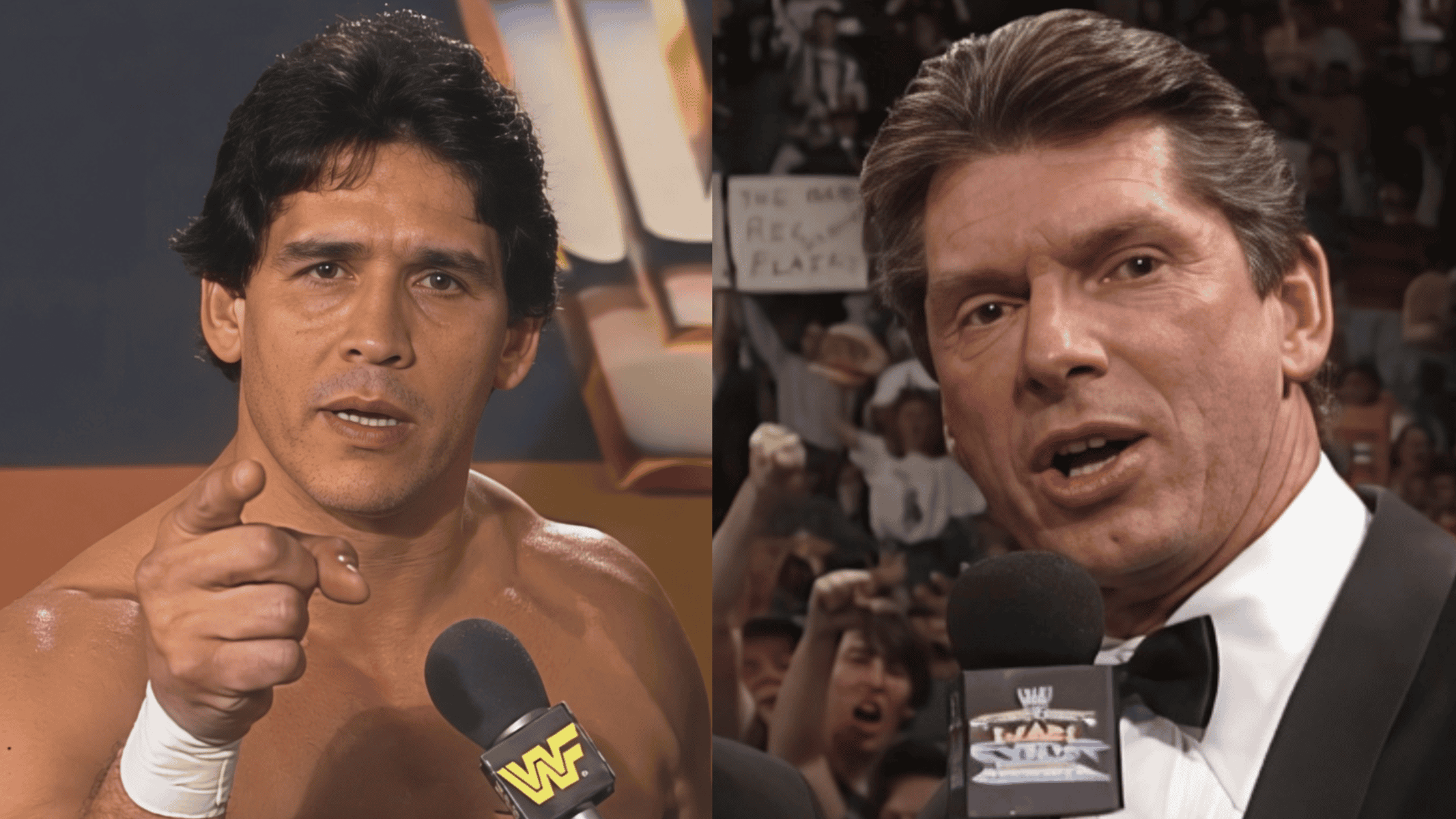
Vince McMahon Almost Gave WWF Title To Tito Santana For International Expansion
Former WWF star Tito Santana recently revealed on the In The Front Row podcast that Vince McMahon nearly awarded him the WWF Championship to spearhead a strategic international expansion into Spain, Mexico, and Central and South America, though the plan ultimately stalled in favor of different creative directions.
This wasn’t a mere booking decision; it was a calculated attempt at market penetration. In the high-stakes world of sports entertainment, the championship belt functions as the primary vehicle for brand equity. By placing the title on a Latino athlete, McMahon was attempting a demographic pivot to capture the untapped revenue streams of the Hispanic world. However, the execution of this strategy reveals the chaotic intersection of corporate ambition and eccentric creative whims, illustrating a classic problem in global scaling: the tension between authentic market appeal and manufactured personas.
The Logistics of Global Market Penetration
The ambition to enter Spain, Mexico, and the Americas required more than just a champion; it required a localized identity. According to Santana, the internal logic was simple—his heritage checked the necessary box for a push into these specific regions. From a business perspective, this is a standard “localization” strategy used by global franchises to reduce friction during entry into foreign markets. When a company scales across borders, the lack of cultural alignment can lead to catastrophic brand rejection. To mitigate this, firms often employ global market entry specialists to ensure the “face” of the brand resonates with the local populace.

McMahon’s approach, however, leaned heavily into the theatrical. Rather than relying solely on Santana’s existing appeal, the strategy shifted toward a radical character repackaging. Santana recounts a surreal directive where he was sent to Tijuana to train as a bullfighter. This wasn’t a mere suggestion; McMahon rented a stadium and facilitated real training to transform Santana into a matador. This represents a high-risk “gimmick” strategy—attempting to create a hyper-stylized version of a culture to generate “spectacle” value, often at the expense of the athlete’s organic connection with the audience.
Contractual Friction and the “Push” Economy
The transition from a mid-card role to a world champion involves a massive shift in financial leverage. Santana noted that during a meeting to give his notice, McMahon countered with the promise of a “big push.” This is where the “locker room” reality meets the “boardroom” contract. In professional sports, a “push” is essentially a performance-based incentive; the higher the visibility and the more prestigious the title, the greater the athlete’s bargaining power for appearance fees, merchandise percentages, and guaranteed downside protection.
Santana’s insistence that there is a “big difference in the money” when a wrestler is centrally involved in the main event highlights the precarious nature of independent contractor agreements in the industry. For athletes navigating these high-pressure negotiations, the ability to secure a vetted sports and entertainment attorney is the only way to ensure that a “promised push” translates into a legally binding financial windfall rather than a verbal agreement that vanishes when creative directions shift.
The Sunk Cost of the “Million Dollar Man” Program
The most analytically frustrating aspect of this saga is the “lost” momentum. Following the matador training, the WWF began producing vignettes to build a major program between Santana and Ted DiBiase, the “Million Dollar Man.” In the world of sports marketing, vignettes are an investment in “pre-sell” equity. They build anticipation and consumer demand before the product (the match) ever hits the market. When the program was abruptly halted, the company essentially incurred a sunk cost—spending production capital on a narrative that never reached the monetization phase.
This volatility in creative direction creates a logistical vacuum for the supporting infrastructure. A major push for a champion in Mexico or Spain would have required a massive surge in regional event logistics and hospitality vendors to manage the influx of production crews and talent. When these plans evaporate, the ripple effect hits local vendors who have cleared calendars and allocated resources for a touring cycle that never materializes.
Strategic Expansion Analysis: Targeted Regions
To understand the scale of what McMahon was attempting, One can break down the projected strategic goals for the proposed international expansion based on the regions mentioned by Santana.

| Target Region | Strategic Objective | Primary Market Driver | Risk Factor |
|---|---|---|---|
| Spain | European Bridgehead | Cultural Alignment (Matador Persona) | Market Saturation |
| Mexico | High-Volume Attendance | Regional Hero Narrative | Local Competition |
| Central America | Emerging Market Entry | Brand Awareness Expansion | Logistical Infrastructure |
| South America | Long-Term Revenue Growth | Demographic Reach | Currency Volatility |
The Analytical Aftermath
The failure of the Santana title run serves as a case study in the dangers of “over-packaging.” While the demographic logic of using a Latino champion for Hispanic markets was sound, the insistence on a bullfighting gimmick in Tijuana added a layer of artificiality that may have diluted the athlete’s authentic appeal. In modern sports analytics, we see a similar trend: the move away from “manufactured” personas toward “authentic” storytelling, which generates higher engagement metrics and more sustainable merchandise sales.
Santana’s experience underscores the volatility of the sports entertainment business, where a world title can be within reach one day and replaced by a matador costume the next. As athletes and sports executives continue to navigate the complexities of global expansion and contract law, the need for professional, third-party oversight has never been higher. Whether you are an athlete seeking to protect your earnings or a business looking to scale into new territories, finding the right expertise is the difference between a successful push and a forgotten vignette.
For those looking to secure their own professional trajectory—whether through specialized medical recovery, legal protection, or business scaling—the World Today News Directory provides a curated gateway to the industry’s most vetted professionals.
Disclaimer: The insights provided in this article are for informational and entertainment purposes only and do not constitute medical advice or sports betting recommendations.