
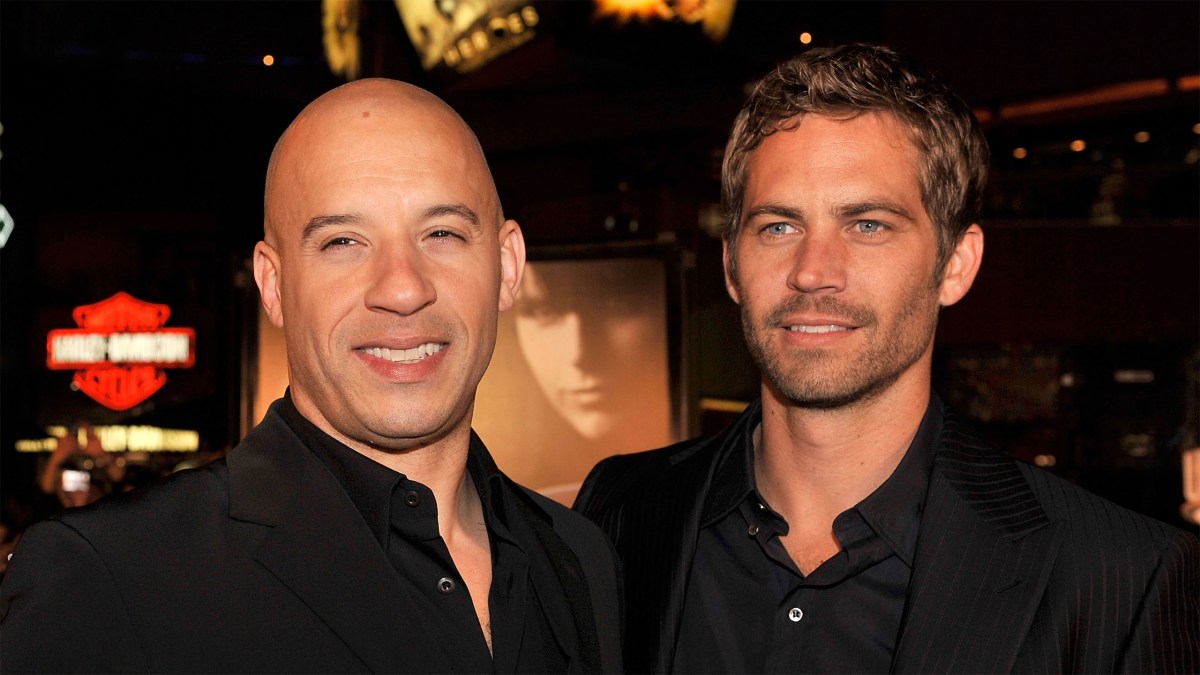
Vin Diesel Announced the Last Fast & Furious Before Universal Said Yes
At FuelFest in Tampa, Vin Diesel unilaterally announced Fast Forever, the final Fast & Furious installment, before Universal Pictures officially greenlit the project. This bold maneuver highlights the immense leverage A-list talent holds over legacy IP, forcing studios to validate public commitments made by franchise anchors. The film is now confirmed for a March 2028 release, reuniting Dominic Toretto with a digitally resurrected Brian O’Conner.
The Toretto Power Play: When Talent Outruns the Studio
In the high-stakes ecosystem of Hollywood tentpoles, the greenlight is usually a bureaucratic fortress built on spreadsheets, risk assessments, and boardroom consensus. Yet, at this past weekend’s FuelFest in Tampa, Vin Diesel treated the confirmation of Fast Forever less like a corporate announcement and more like a street race start—launching before the official signal. According to Cody Walker, who spoke to HotCars regarding the surprise reveal, the cast learned of the film’s existence simultaneously with the public. “Vin goes, ‘You know, Universal hasn’t greenlit the project yet. They will, but it hasn’t been greenlit yet,'” Walker recalled. “I’m gonna go on stage and I’m gonna make the announcement and you’ll see what happens.”

This is not merely a quirky anecdote from the set; it is a masterclass in leverage. By the time Fast X hit theaters in 2023, grossing over $704 million globally despite mixed critical reception, Diesel had cemented his status not just as the face of the franchise, but as its de facto guardian. When an actor of his caliber publicly commits to a sequel, the studio faces a binary choice: embrace the momentum or face a PR nightmare of a “canceled” finale. It forces the hand of the executives, turning a negotiation into a ratification.
However, this strategy introduces significant legal and logistical friction. Announcing a project before the contracts are fully executed creates a precarious window where intellectual property rights and backend participation deals are still in flux. For talent navigating similar high-profile announcements, the gap between a verbal commitment and a signed deal is where careers can stall. This is precisely the jurisdiction where top-tier entertainment attorneys and IP specialists become indispensable, ensuring that a public promise doesn’t become a legal liability before the cameras even roll.
Franchise Economics and the Cost of Continuity
The decision to rush toward a 2028 release date speaks to the broader economic pressures facing Universal. The Fast & Furious saga is a revenue engine that cannot afford to idle. Per box office analytics from Box Office Mojo, the franchise has generated over $6.6 billion globally. Yet, franchise fatigue is a tangible metric; audience retention drops with every sequel unless the stakes are reinvented. By moving the goalpost to 2028 and promising a return to the “roots” of the LA street racing scene, Universal is attempting to recapture the demographic that drove the success of the 2001 original, rather than relying solely on the global action audience of the later films.
The financial implications of this “soft launch” strategy are complex. Marketing budgets must be recalibrated to account for a four-year runway, and the studio must manage investor expectations regarding the delayed ROI. As noted by industry analysts at Variety, the gap between Fast X and Fast Forever represents a significant opportunity cost in terms of merchandising and syndication rights. To mitigate this, studios often rely on specialized brand strategy firms to keep the IP alive in the cultural zeitgeist through gaming partnerships, theme park attractions, and limited series spin-offs during the production hiatus.
“When a star announces a project before the studio, it shifts the power dynamic entirely. It’s no longer about whether the movie gets made; it’s about how the studio manages the narrative to protect its stock price while honoring the talent’s commitment. It requires a delicate dance of crisis management and strategic communication.” — Elena Ross, Senior Partner at a leading Los Angeles Entertainment Law Firm.
The Digital Resurrection and Ethical Logistics
Perhaps the most sensitive element of Fast Forever is the return of Paul Walker’s Brian O’Conner. With Cody Walker stepping in to assist with the performance and “a bit of computer magic” handling the rest, the production treads a fine line between tribute and exploitation. The use of deepfake technology and digital likeness rights in post-2025 Hollywood is a minefield of ethical and legal considerations. The estate of the deceased actor must be heavily involved, and the visual effects vendors tasked with this resurrection require not just technical skill, but a profound respect for the legacy involved.
Executing a campaign of this magnitude, which blends nostalgia with cutting-edge VFX, requires a logistical infrastructure that goes beyond standard production management. From securing locations in Los Angeles that have changed drastically since the first film to managing the global press tour for a “final goodbye,” the operational load is immense. Production companies typically outsource these massive undertakings to full-service event production and logistics firms capable of handling the security, travel, and media coordination for a cast of this caliber.
The Final Lap: A Cultural Reset
Vin Diesel’s gambit worked. Universal has signed off, the project is greenlit, and the clock is ticking toward March 2028. But this incident serves as a reminder of the evolving relationship between talent and studios in the streaming era. The “greenlight” is no longer just an internal memo; it is a public conversation. As the industry moves forward, the ability to control the narrative before the contract is signed may become the new currency of power in Hollywood.
For the World Today News Directory, this story underscores a vital truth: in entertainment, the biggest risks often yield the biggest rewards, provided you have the right team to manage the fallout. Whether it is securing the IP, managing the crisis of an unauthorized announcement, or orchestrating the global launch of a decade-defining finale, the professionals behind the curtain are just as critical as the stars in front of the lens.
Disclaimer: The views and cultural analyses presented in this article are for informational and entertainment purposes only. Information regarding legal disputes or financial data is based on available public records.