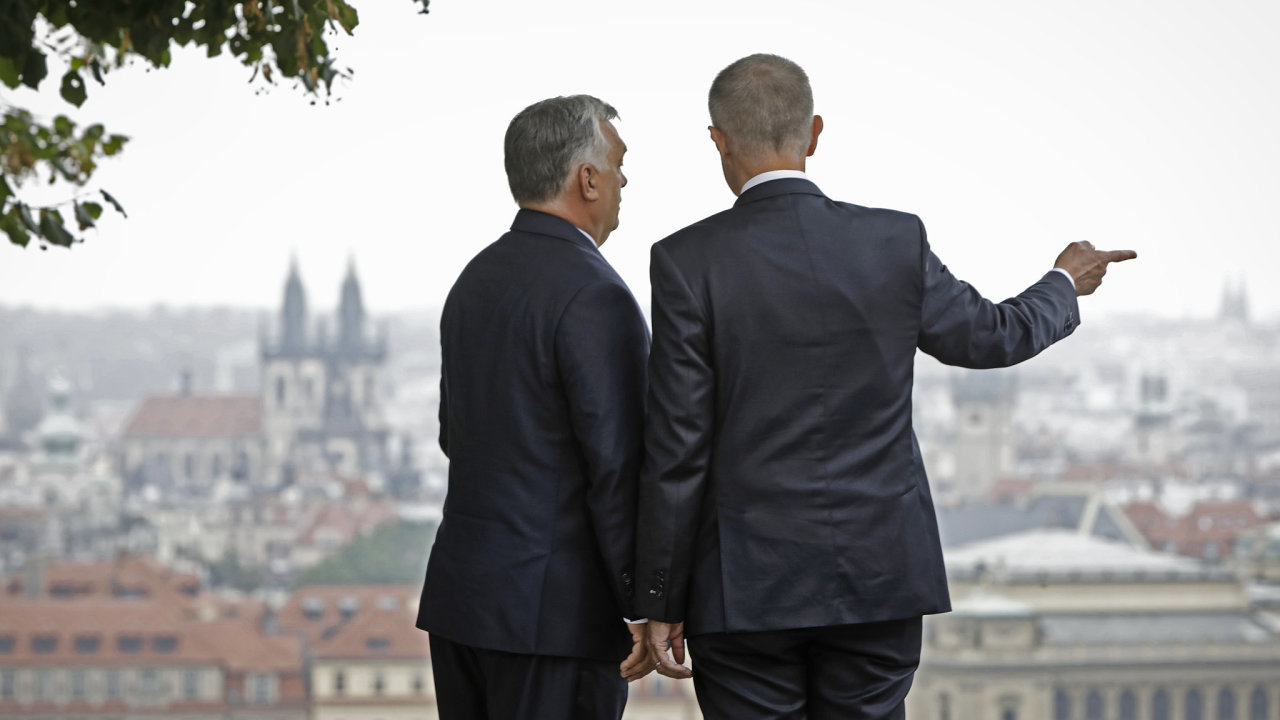
Viktor Orbán’s Defeat: Global Implications for China, Russia, and Trump
Viktor Orbán’s removal from power in Hungary on April 14, 2026, dismantles a critical pro-Russian and pro-Chinese axis within the European Union. This shift isolates Czech populist Andrej Babiš and strips Donald Trump of his primary EU ally, fundamentally altering the bloc’s security posture and financial support for Ukraine.
The geopolitical center of gravity in Europe has shifted overnight. For years, Orbán operated as the EU’s “spoiler-in-chief,” leveraging Hungary’s veto power to obstruct consensus on sanctions, aid, and diplomatic cohesion. His exit is not merely a domestic political change; We see a systemic shock to the network of right-wing populists who viewed Budapest as the blueprint for resisting Brussels.
The vacuum is immediate. The fallout is visceral.
The Isolation of the Central European Right
In Prague, the mood is grim. Andrej Babiš is facing a “heavy evening,” grappling with a headache that extends far beyond the loss of a personal friend. Babiš had explicitly urged Prague to follow the lead of Hungary, Poland, and the United States, attempting to construct a regional bloc that could challenge the EU’s liberal orthodoxy. With Orbán gone, that strategic triad has collapsed.
This leaves Babiš exposed. While a shift to the right in the Czech Republic remains a point of concern for Kyiv, the loss of the Hungarian anchor means the Czech populist movement no longer has a sovereign shield within the EU to deflect pressure from Brussels. As regional alliances fracture, multinational firms operating in the Visegrád region are seeing a surge in volatility. To mitigate these sudden shifts in sovereign alignment, corporations are increasingly relying on geopolitical risk consultants to map out fresh contingency plans for Central European operations.
“The Voice of Russia will no longer be heard in the EU.”
The removal of Orbán effectively silences the primary conduit for Kremlin influence within the European Council. The strategic utility of Hungary as a “Trojan horse” for Russian interests has been neutralized.
The Beijing Breach and the Washington Void
The fallout extends well beyond the borders of the EU. For Beijing, Orbán’s fall is a strategic defeat. Hungary served as China’s most loyal partner in Europe, providing a diplomatic beachhead for Chinese interests and infrastructure projects. With the collapse of this partnership, China loses its most reliable advocate in the heart of Europe.
Simultaneously, the shockwaves reach Washington. Donald Trump has lost his most steadfast European ally. The symbiotic relationship between Trump’s “America First” rhetoric and Orbán’s “illiberal democracy” provided a mutual legitimacy that transcended traditional diplomacy. Without Orbán, Trump’s ability to carve out a dissident faction within the EU is severely diminished.
This realignment creates a precarious environment for international trade. As the EU moves toward a more unified stance on foreign investment and technology transfers—particularly regarding Chinese influence—companies must navigate a tightening regulatory landscape. We are seeing a critical need for international trade lawyers to restructure cross-border agreements that were previously predicated on Hungary’s permissive regulatory environment.
The €90 Billion Pivot for Ukraine
The immediate tangible result of this power shift is financial. An EU Summit has already agreed to a €90 billion loan to Ukraine. Notably, this agreement was reached “without Central Europe,” signaling a decisive move by the EU to bypass the obstructionism that characterized the previous era.

The removal of Ukraine’s “staunchest foe” in the EU, as reported by Reuters, removes the primary roadblock to sustained military and financial aid. The EU is no longer hostage to the whims of a single member state determined to protect its relationship with Moscow.
However, the transition is not without risk. The Economist warns that a continued shift to the right in the Czech Republic remains “worrying news for Ukraine.” The removal of one strongman does not automatically erase the populist undercurrents flowing through Prague and Warsaw.
The macro-economic implication is clear: the EU is pivoting toward a “security-first” economic model. This involves deeper integration of defense procurement and a more aggressive posture toward trade with autocratic regimes.
The global chessboard has been reset. The era of the “spoiler” in Central Europe is ending, replaced by a more streamlined, albeit more aggressive, EU foreign policy. For the corporate world, Which means the end of “regulatory arbitrage” in Hungary and the start of a more homogenized, high-compliance environment across the bloc.
As the dust settles in Budapest and Prague, the ability to navigate these shifting alliances will define the winners of the next decade. Whether you are managing a supply chain through the Danube corridor or hedging against sovereign risk in the East, the necessity for expert guidance is absolute. The World Today News Directory remains the definitive resource for connecting global enterprises with the financial advisors and legal experts capable of navigating this new European reality.