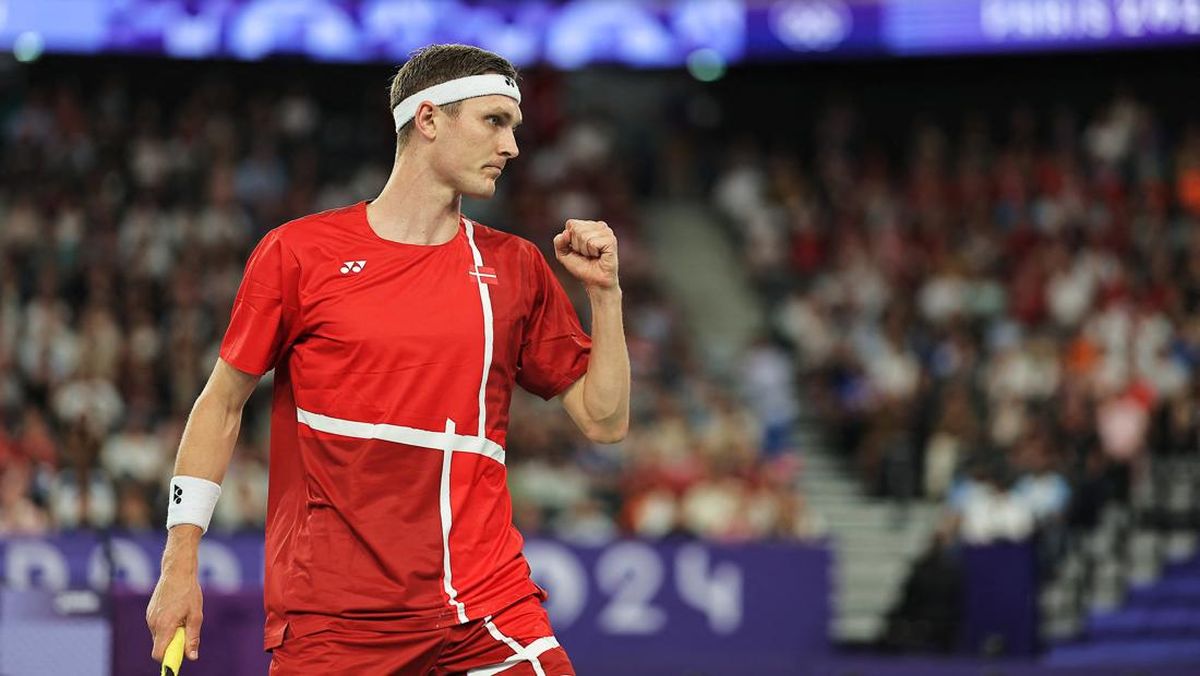
Viktor Axelsen Officially Announces Retirement
Viktor Axelsen, the Danish badminton powerhouse and two-time Olympic gold medalist, officially retired on April 15, 2026. Chronic, recurring back injuries rendered the former world number one unable to maintain the physical intensity required for elite competition, forcing an abrupt end to one of the most dominant careers in the sport’s history.
The retirement of a generational talent like Axelsen creates an immediate vacuum in the men’s singles landscape. This isn’t a planned sunset fade; it is a forced exit dictated by the brutal biomechanical tax of professional badminton. When a player of Axelsen’s stature—known for a lethal combination of reach and precision—can no longer execute the explosive lateral movements and deep lunges required at the BWF top tier, the tactical whiteboard changes for every other competitor on the tour. The problem here is a classic case of systemic physical failure where the athlete’s ambition outpaced the structural integrity of the spine.
The Biomechanical Breakdown: A Clinical Failure
The primary catalyst for this retirement is a chronic back condition that resisted every modern intervention available in sports medicine. Based on the foundational data provided in Axelsen’s own announcement via Instagram, the road to retirement was paved with aggressive medical attempts to salvage his career. This included endoscopic surgery, a series of targeted injections, and the implementation of entirely modern training methodologies designed to reduce load on the lumbar region.
In the world of elite athletics, the “kinetic chain” is everything. For a badminton player, the power generated from the legs must transfer seamlessly through the core to the racket. A recurring back injury disrupts this chain, leading to a loss of stability and an increase in compensatory stress on other joints. Axelsen’s admission that his body “no longer allows” him to continue suggests that he reached a point of diminishing returns where the risk of permanent neurological or structural damage outweighed the reward of further titles. While the pros have access to world-class surgical teams, amateur athletes and youth players facing similar spinal stress must prioritize early intervention and secure vetted local orthopedic specialists and rehab centers to prevent chronic degeneration.
“Because of recurring back problems, I am no longer able to compete and train at the highest level… After undergoing endoscopic surgery, various injections, new training methods, treatments, and basically trying everything to be pain-free for a long time, I was advised to focus on my long-term health.”
Analyzing the 2025-2026 Performance Decay
The timeline of Axelsen’s decline provides a clear window into the struggle between his competitive will and his physical reality. The 2025 season was a study in volatility. Axelsen managed to secure a victory at the German Open 2025, proving that his peak ceiling remained the highest in the world. However, the subsequent appearance at the French Open 2025 marked the beginning of the end. The sheer volume of the BWF World Tour calendar demands a level of periodization and load management that Axelsen’s back could no longer sustain.
The complete absence of Axelsen from the 2026 season was the definitive signal to the industry. In professional sports, a full-season hiatus for a top-three player is rarely a strategic reset; it is almost always a desperate attempt at rehabilitation. The fact that he reached April 15, 2026, without a successful return to the court confirms that the injury was not a temporary setback but a career-ending pathology. His dominance at the Olympic Games in 2020 and 2024 served as the pinnacle of his career, leaving him with a legacy that is mathematically insulated from the tragedy of his early retirement.
The Professional Pivot and Long-Term Asset Management
Retirement for an athlete of Axelsen’s global brand value is not merely a sporting event; it is a business transition. Moving from active competition to a post-career phase requires a sophisticated approach to health management and legal structuring. The transition from a “performance-first” medical mindset to a “longevity-first” mindset is often the hardest pivot for elite athletes. Axelsen’s decision to prioritize “long-term health” is a calculated move to ensure quality of life beyond the court, avoiding the permanent disability that often plagues athletes who push through chronic spinal injuries.
This transition often involves complex negotiations regarding sponsorship contracts, endorsement exits, and the management of intellectual property. For athletes navigating the legal complexities of early retirement and contract termination, engaging certified sports law firms is essential to ensure that their financial trajectory remains as stable as their physical recovery. The economic ripple effect of Axelsen’s retirement will be felt in Denmark and across Europe, where his presence drove ticket sales and broadcast viewership for major opens.
The Void in the Global Rankings
The removal of the former world number one from the equation fundamentally alters the psychological profile of the men’s singles circuit. Axelsen functioned as the “final boss” of badminton; his presence forced opponents to evolve their tactical approach, often pushing them toward more aggressive, high-risk playstyles to break through his defensive wall. Without him, the hierarchy is now open, likely leading to a period of instability in the rankings as several top-ten players vie for the vacuum of power.
Axelsen exits the game not because he was beaten by an opponent, but because he was beaten by the limitations of human physiology. His career serves as a stark reminder that even the most disciplined training regimens and the most advanced medical interventions cannot always override the biological reality of chronic injury. He leaves the sport as a two-time Olympic champion, a former world number one, and a blueprint for dominance that may not be replicated for another decade.
As the badminton world adjusts to a post-Axelsen era, the focus shifts to the next generation of talent and the medical protocols that will keep them on the court longer. Whether you are a professional athlete managing a career-threatening injury or a sports business owner looking to optimize your infrastructure, the World Today News Directory provides access to the most vetted professionals in sports medicine, legal counsel, and athletic performance. Finding the right expert is the difference between a forced retirement and a sustained legacy.
Disclaimer: The insights provided in this article are for informational and entertainment purposes only and do not constitute medical advice or sports betting recommendations.