
Vietnam Set for FTSE Russell Emerging Market Upgrade in September
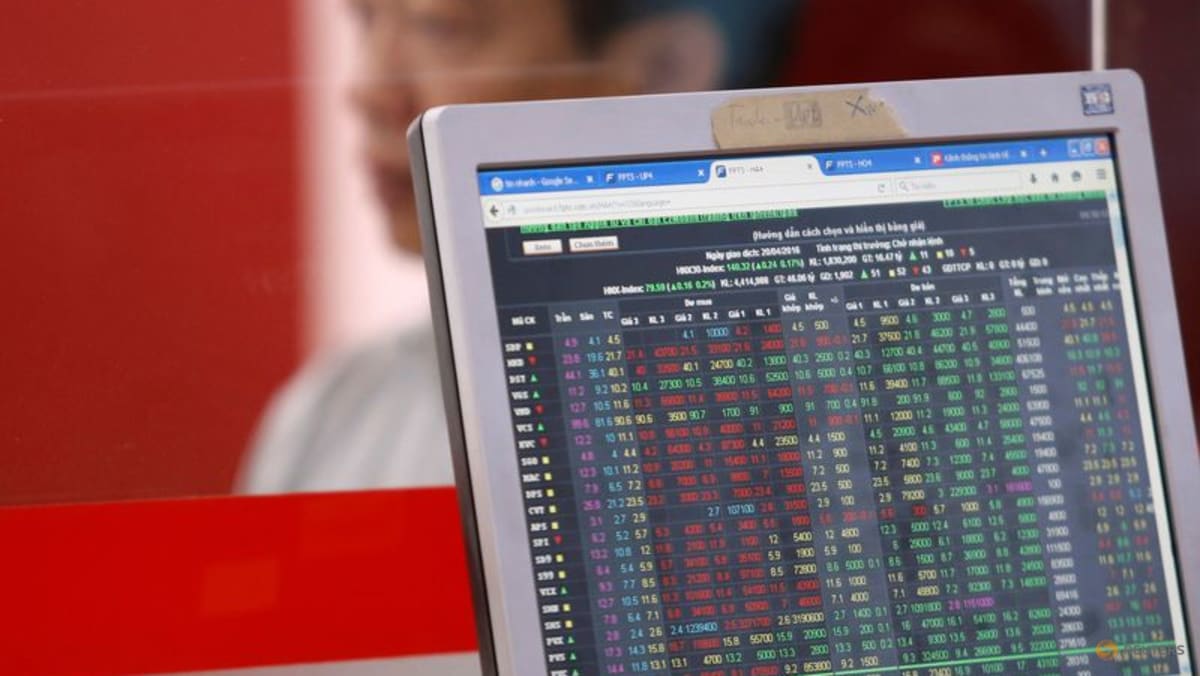
FTSE Russell has confirmed Vietnam’s upgrade to emerging market status, effective September. This strategic shift, driven by comprehensive market reforms, is designed to attract massive institutional capital inflows and enhance price discovery, marking a pivotal milestone for Vietnam’s integration into the global financial ecosystem and its transition from a frontier market.
The transition from frontier to emerging status is more than a symbolic victory; It’s a liquidity catalyst. For years, Vietnam has operated in the shadow of “frontier” constraints, limiting the appetite of the world’s largest passive index funds. Now, the floodgates are opening. This shift creates an immediate pressure point for local enterprises and financial institutions that must suddenly align their operational transparency with global standards to capture this new wave of capital.
The volatility gap is real.
As the September deadline approaches, the primary fiscal challenge is the “readiness gap.” Local firms are scrambling to upgrade their reporting frameworks to meet the rigorous demands of institutional investors who prioritize ESG metrics and transparent governance. This regulatory pivot is forcing a surge in demand for corporate law firms capable of navigating the intersection of Vietnamese law and international securities standards.
The Macro Shift: Three Pillars of the Emerging Market Transition
The confirmation by FTSE Russell doesn’t just change a label; it rewires the mechanics of the Vietnamese equity market. The impact can be broken down into three systemic shifts:

- Passive Capital Acceleration: The entry into the emerging cohort triggers automatic index rebalancing. Institutional funds that track FTSE indices must now allocate a specific percentage of their portfolios to Vietnamese assets. This creates a guaranteed demand floor for blue-chip stocks, potentially driving up valuation multiples across the board.
- Price Discovery Optimization: As noted by Nikkei Asia, the upgrade is expected to significantly boost price discovery. With more sophisticated global players entering the fray, the gap between intrinsic value and market price narrows. This reduces the “frontier discount” that has historically plagued Vietnamese equities.
- Ecosystem Professionalization: The upgrade is acting as a forcing function for the entire financial sector. From clearinghouses to brokerage firms, the requirement for higher liquidity and lower settlement risk is pushing the market toward a more mature, institutional-grade infrastructure.
Liquidity is the ultimate currency of the emerging market.
The Institutional Response and the Brokerage IPO Wave
The market is not waiting for September to react. A distinct IPO wave is already forming among Vietnamese brokers, according to reports from vietnamnews.vn. These firms are racing to go public or recapitalize to expand their balance sheets, ensuring they have the capacity to handle the projected increase in trading volumes.
This surge in IPO activity creates a secondary B2B bottleneck. Brokers cannot simply “list”; they require rigorous valuation and underwriting. This has sparked a gold rush for investment banking services that can bridge the gap between local asset valuations and the expectations of foreign institutional buyers.
Vietnam describes the FTSE Russell emerging market status confirmation as a “significant milestone,” signaling a new era of economic openness and financial maturity.
The “significant milestone” mentioned by the Vietnamese government—and echoed across MSN and CNA—is essentially a signal to the world that the country’s market reforms have reached a critical mass. These reforms, which include easing foreign ownership limits and improving the transparency of the trading system, were the prerequisites for the upgrade. Yet, the operate is far from over. The transition to an emerging market requires a permanent shift in how corporate data is audited and reported.
The risk of “valuation shock” is high if reporting remains opaque.
To avoid the pitfalls of rapid capital inflow, many Vietnamese firms are now investing heavily in audit and assurance firms to scrub their books. The goal is to ensure that when the September rebalancing occurs, the resulting price spikes are supported by fundamental strength rather than speculative fervor. The move toward an emerging market status effectively puts every listed company’s financial health under a global microscope.
Looking Toward the September Rebalance
The trajectory is clear: Vietnam is positioning itself as the premier alternative to other regional emerging markets. By securing the FTSE Russell confirmation, the country is not just attracting money; it is attracting the *type* of money—long-term, institutional, and disciplined—that stabilizes an economy over the long haul. The focus for the next two fiscal quarters will be on the “plumbing” of the market: settlement cycles, currency convertibility, and the depth of the bond market.
The window for preparation is closing fast.
As the market gears up for the September entry, the divide between the “ready” and the “unready” will widen. Firms that have already integrated global compliance standards will capture the lion’s share of the incoming liquidity, while those lagging behind will find themselves marginalized in their own home market. The emerging market status is a door that has finally opened, but only those with the right institutional keys will be able to walk through it.
For executives and investors navigating this transition, the ability to identify vetted, high-capacity partners is the difference between capturing growth and managing a crisis. Whether you are seeking the legal expertise to handle an IPO or the financial auditing required for emerging market compliance, the World Today News Directory provides the definitive bridge to the B2B providers driving this regional transformation.