Venezuela: International Scrutiny and Justice Must Prevail as Government Abandons Rome Statute
<>
Amnesty International criticized the move as an effort to evade accountability for alleged crimes against humanity, though international investigations and universal jurisdiction cases remain fully active.
According to official United Nations repository records made public on August 6, 2026, the acting government completed the procedural steps for the exit on July 24, 2026. Under the rules of the treaty, this withdrawal will take effect one year from notification, on July 24, 2027.
Ana Piquer, Amnesty International’s Americas Director, stated in a public release that the action represents “the last step in a long string of efforts to avoid scrutiny and accountability for some of the most serious crimes under international law.” Piquer emphasized that the decision signals the acting government’s clear disregard for the fundamental rights of victims to truth, justice, reparations, and guarantees of non-repetition.
Legal Realities of the ICC Investigation
The ongoing criminal investigation by the Office of the Prosecutor (OTP) into crimes against humanity committed in Venezuela prior to the formal decision remains fully intact. This jurisdiction extends to any events occurring before the final withdrawal date of July 24, 2027.
The historical timeline of the ICC’s involvement dates back to 2018, when the OTP opened a preliminary examination into the situation in Venezuela. On November 3, 2021, the court officially advanced to an active investigation. This inquiry centers on grave allegations including deprivation of physical liberty, torture, sexual violence, and politically motivated persecution committed since at least April 2017 by state security forces, civil authorities, and pro-government groups known as collectives.
Systematic Repression and Regional Implications
Independent documentation from international monitors aligns closely with the findings of the UN international independent Fact-Finding Mission (FFM). Investigative bodies have repeatedly concluded that the Venezuelan authorities under Nicolás Maduro implemented a widespread and systematic policy of repression aimed at silencing dissent.
Documented violations include extrajudicial executions, enforced disappearances, and arbitrary detentions. Because domestic judicial avenues inside Venezuela have largely failed to deliver impartial remedies, victims and civil society groups have turned outward. For individuals and communities seeking to establish evidentiary records or secure protection, coordinating with established NGO Advocacy and Legal Aid Networks remains a primary avenue for pursuing justice beyond state borders.
The formal withdrawal from the Rome Statute makes the upcoming renewal of the UN Fact-Finding Mission’s mandate during the Human Rights Council sessions in September and October more critical than ever. As state institutions close doors locally, international bodies and courts operating under the principle of universal jurisdiction provide the remaining structural pathways for accountability.
The Path Forward for Accountability
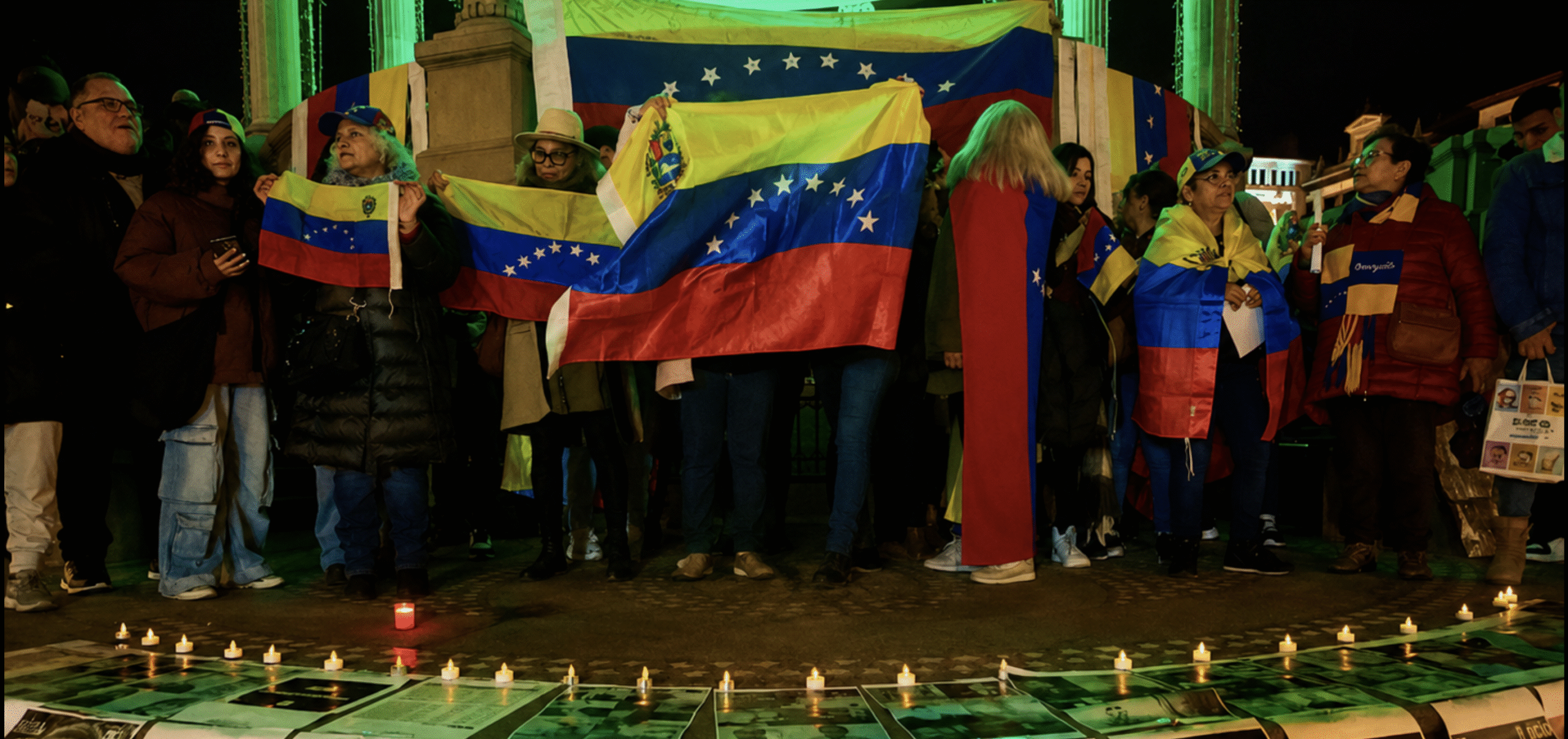
Thousands of victims affected by the policy of repression continue to demand accountability through active international channels. The avenues for truth forged outside of domestic Venezuelan institutions remain operational, backed by ongoing OTP inquiries and universal jurisdiction proceedings in foreign courts.
International scrutiny must persist as the July 2027 withdrawal deadline approaches. The mechanisms of global justice, though tested by state withdrawal, retain the legal mandate to examine past atrocities and support victims in their ongoing fight for truth and reparations.
>