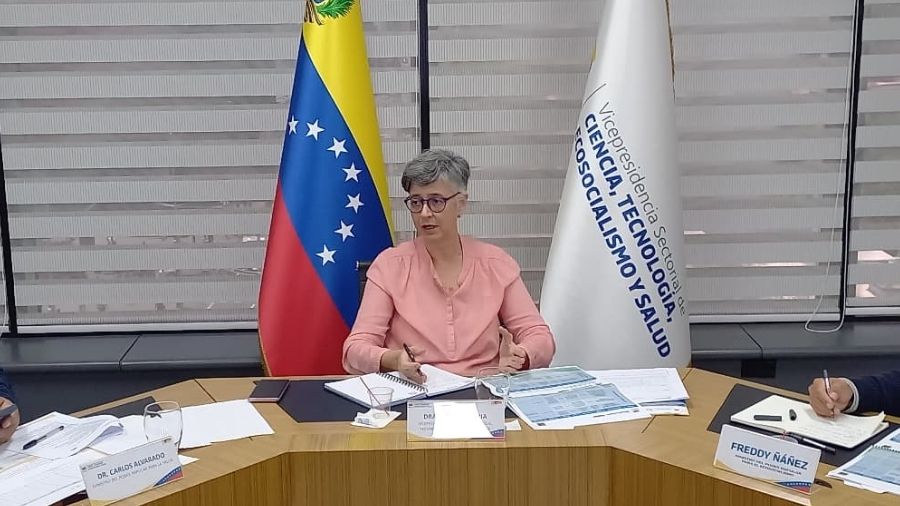
Venezuela Expands National Yellow Fever Vaccination Plan
The resurgence of viral hemorrhagic fevers in South America has triggered an urgent epidemiological response, as Venezuela aggressively scales its immunization efforts to curb the spread of yellow fever. This strategic expansion reflects a critical effort to close immunity gaps in high-risk regions before the virus achieves wider community transmission.
Key Clinical Takeaways:
- The National Vaccination Plan has been expanded to encompass ten states to mitigate viral spread.
- Over 793,000 vaccine doses have already been administered as part of the intensified campaign.
- The initiative integrates health interventions with environmental reforestation strategies to address the ecological drivers of vector-borne diseases.
Yellow fever represents a significant public health challenge due to its potential for high morbidity and mortality. The current intensification of vaccination across six additional states, as highlighted by regional health authorities in Miranda and other sectors, underscores the volatility of the current epidemiological landscape. When a virus with the pathogenesis of yellow fever enters a population with low seroprevalence, the risk of rapid escalation is acute. This is not merely a logistical hurdle but a clinical race against the biological clock of viral replication and vector migration.
The Pathogenesis of the Yellow Fever Virus
The yellow fever virus (YFV) is a member of the Flaviviridae family, transmitted primarily through the bites of infected Aedes aegypti and Haemagogus mosquitoes. The clinical progression of the disease typically occurs in two phases. The acute phase is characterized by fever, malaise, and myalgia. However, in a small percentage of patients, the disease evolves into a toxic phase, where systemic viremia leads to severe hepatotoxicity and hemorrhagic manifestations.

The hallmark of the toxic phase is the development of Councilman bodies—apoptotic hepatocytes that signal extensive liver necrosis. This hepatic failure leads to the characteristic jaundice (yellowing of the skin) and coagulopathy, which can result in gastrointestinal bleeding and multi-organ failure. Because the virus can move from zoonotic reservoirs in primates to human populations—a process known as zoonotic spillover—the environmental context is as critical as the medical one.

“The intersection of deforestation and urban expansion creates a ‘perfect storm’ for flavivirus emergence. When we disrupt the canopy, we force the sylvatic cycle of the virus into closer contact with human settlements, necessitating aggressive, preemptive vaccination strategies to prevent urban outbreaks.”
— Dr. Elena Rossi, PhD in Tropical Medicine and Epidemiological Research
This ecological link explains why the current government strategy, reported by Globovisión, pairs health lines with reforestation efforts. By stabilizing the environment, health authorities aim to reduce the frequency of human-vector interactions, thereby lowering the statistical probability of new clusters.
Clinical Efficacy of the 17D Vaccine
The cornerstone of this national campaign is the 17D live-attenuated vaccine. According to the World Health Organization (WHO), a single dose of the 17D vaccine provides lifelong protection for the vast majority of recipients. The vaccine works by inducing a robust immune response, stimulating both humoral and cell-mediated immunity to neutralize the virus before it can establish systemic infection.
From a clinical perspective, the 17D strain is one of the most successful vaccines in history, boasting high efficacy rates and a well-documented safety profile. However, the administration of live vaccines requires strict adherence to contraindications. Individuals with severe egg allergies, compromised immune systems, or those over a certain age threshold may face increased risks of adverse events, such as yellow fever vaccine-associated viscerotropic disease (YF-AVD). This complexity makes the role of the clinician indispensable during mass immunization drives.
For individuals planning travel to these high-risk zones or those returning with febrile illness, the triage process is urgent. It is highly recommended to consult with board-certified infectious disease specialists to ensure that vaccination is appropriate for their specific medical history and that any emerging symptoms are diagnosed via PCR or IgM serology promptly.
Infrastructure and Funding Transparency
Large-scale immunization programs of this magnitude—reaching over 793,000 individuals—require immense logistical coordination. While national health ministries lead the execution, such campaigns in the Americas are typically supported through the technical guidance and resource frameworks provided by the Pan American Health Organization (PAHO) and the WHO. These organizations provide the standardized protocols for cold-chain management, ensuring that the live-attenuated vaccine remains viable from the laboratory to the point of injection.
The expansion to ten states suggests a shift toward a “ring vaccination” strategy, where the area surrounding known outbreaks is immunized to create a biological firewall. This approach is designed to break the chain of transmission, preventing the virus from leaping from rural, sylvatic areas into densely populated urban centers where Aedes aegypti could trigger an explosive epidemic.
Navigating the regulatory and health requirements for international travel during such outbreaks can be daunting. Travelers and corporate entities are increasingly retaining public health consultants to audit their health protocols and ensure compliance with international health regulations (IHR), particularly regarding the International Certificate of Vaccination or Prophylaxis (ICVP).
The Future of Vector-Borne Disease Control
The current situation in Venezuela serves as a stark reminder that the fight against yellow fever is never truly finished. As climate patterns shift and urbanization continues, the geographical range of the Aedes mosquito expands. The integration of medical intervention with reforestation suggests a growing recognition that human health is inextricably linked to planetary health—a concept known as “One Health.”
Moving forward, the focus must remain on maintaining high population immunity and enhancing genomic surveillance to detect potential mutations in the YFV strain. For those seeking specialized care or vaccination guidance, accessing vetted travel health clinics is the most effective way to ensure protection based on the latest epidemiological data published in journals such as PubMed and the Lancet.
The success of this campaign will ultimately be measured not just by the number of doses administered, but by the sustained absence of urban transmission. The goal is a transition from reactive crisis management to a proactive state of permanent vigilance.
Disclaimer: The information provided in this article is for educational and scientific communication purposes only and does not constitute medical advice. Always consult with a qualified healthcare provider regarding any medical condition, diagnosis, or treatment plan.