Venezuela Earthquakes: Healthcare Crisis and the Struggle for Relief
<>
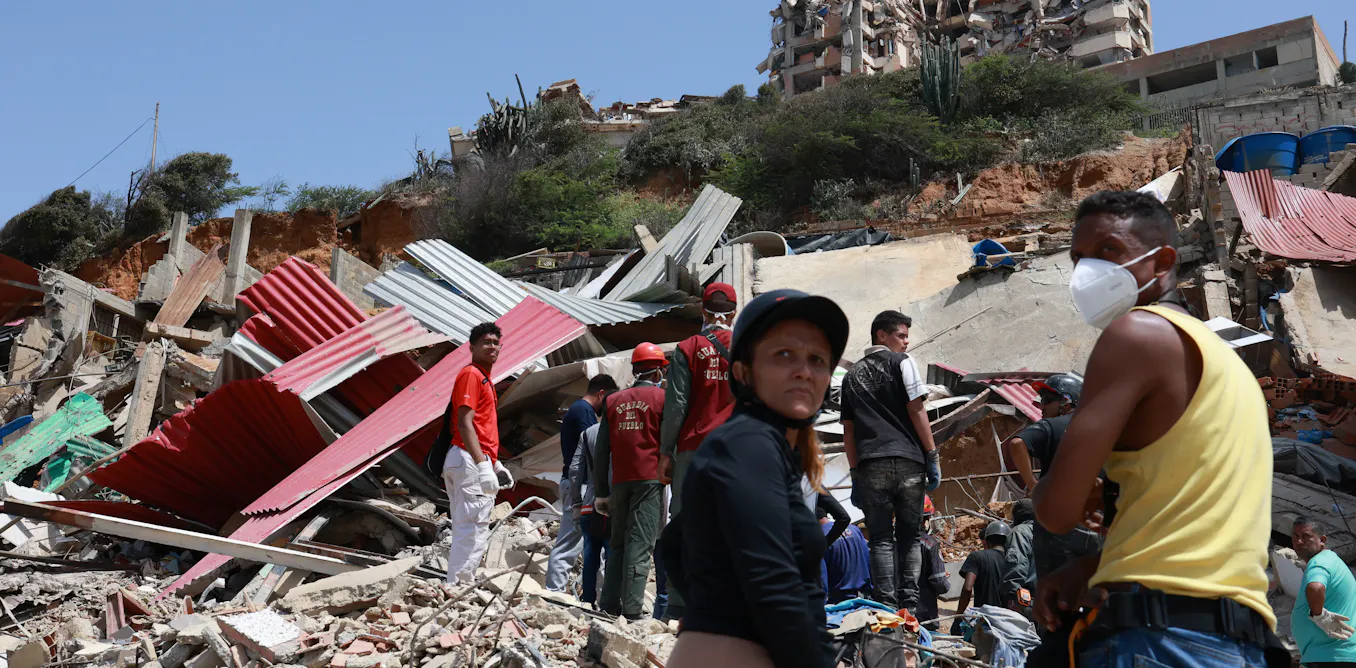
The disaster has crippled the nation's already fragile public healthcare system, leaving survivors in Caracas and La Guaira to navigate a landscape of severe supply shortages, infrastructure failures, and limited emergency response coordination.
Systemic Healthcare Collapse in the Wake of Disaster
The earthquake’s impact on Venezuela’s healthcare sector is not merely a consequence of the seismic event, but a reflection of long-term structural decay. According to Dr. Hermes Florez and Dr. Zeina Hannoush, two physicians who trained in Venezuela and now teach medicine in the United States, the public health system was essentially functioning at a subsistence level long before the ground began to shake.
Data from The Lancet indicates that fewer than 10% of Venezuelans could afford private medical care prior to the disaster, with approximately 70% of the population living in poverty. This forced the vast majority to rely on public hospitals that lacked basic maintenance, consistent water, and reliable electricity. The earthquake has effectively stripped away the remaining veneer of operational capacity.
For those navigating the current crisis, the burden of care often falls on the patient’s family. Dr. Hannoush noted that even in non-emergency times, patients admitted to public hospitals are frequently required to provide their own medical supplies—including gauze, gloves, and even bedding—to receive treatment. For survivors of the June 24 event, this reality has transformed local hospitals into sites of extreme resource competition.
Infrastructure Deficits and Lack of Preparedness
The tragedy in La Guaira and Caracas has been compounded by a lack of institutional preparedness. While the region is seismically active, experts point to a two-decade decline in national maintenance and disaster planning. According to Dr. Florez, the abandonment of rigorous oversight protocols—which were once standard in sectors like the national oil industry—extended to the public sphere, leaving the country without functional redundancy systems for power or emergency medical response.
Furthermore, the absence of enforceable, modern construction codes has been identified as a significant factor in the high casualty rate. As families continue to search for missing loved ones, the lack of a centralized, effective emergency response plan has left grassroots community efforts to fill the void.
The help is still reaching many places, but there’s so much to do that it’s quite overwhelming. — Dr. Zeina Hannoush
The Logistical Hurdles of International Aid
International solidarity has spurred a flow of donations, yet the delivery of these resources is hampered by a profound lack of trust between the Venezuelan government and humanitarian organizations. Historical precedents, including issues surrounding aid distribution during the COVID-19 pandemic, have led many donors to fear that supplies will not reach their intended destinations.
This atmosphere of distrust has forced physicians and diaspora groups to act as intermediaries. Dr. Florez and his colleagues, including those associated with the Venezuelan American Medical Association, are currently working to bypass centralized bottlenecks to ensure aid reaches hospitals at “ground zero.” However, the sheer scale of the displacement and injury requires a level of professional coordination that transcends individual efforts.
A Call for Long-Term Reform
While the immediate focus is on earthquake relief, the medical community emphasizes that the current crisis is an opportunity for a broader, necessary overhaul of the national healthcare infrastructure. The shift toward virtual care platforms, accelerated by the challenges of the last few years, offers a potential, albeit partial, solution for medical training and remote consultation.
As the country looks toward recovery, the focus must shift from reactive disaster management to the creation of a resilient, transparent, and properly supplied medical network. Without a fundamental restructuring of the public health system, the next emergency may prove just as catastrophic as the last.
The path forward for Venezuela is fraught with systemic obstacles, but the integration of global expertise and local community resilience remains the only viable trajectory toward stability in an uncertain future.