Venezuela Announces Minimum Wage Increase Effective May 1
Acting President Delcy Rodríguez announced a “responsible” minimum wage increase in Venezuela effective May 1, 2026. The move aims to curb labor precariousness and preserve purchasing power amid ongoing economic volatility, while simultaneously calling for young migrants to return home to stabilize the domestic workforce.
This isn’t just a payroll adjustment; This proves a desperate attempt to anchor a fleeing workforce. For years, the Venezuelan bolívar has struggled against hyperinflation, rendering official salary figures almost meaningless by the time they hit bank accounts. When the government speaks of “preserving purchasing power,” they are fighting a ghost—inflation that often outpaces policy implementation within weeks.
The timing is deliberate. By anchoring the increase to May Day, the administration leverages a symbolic date of labor solidarity to dampen the unrest currently fueling street protests. But symbols don’t pay rent in Caracas or Maracaibo.
The Friction Between Policy and Purchasing Power
The core problem here is the “inflationary lag.” In Venezuela, a nominal increase in the minimum wage often triggers a secondary wave of price hikes by merchants who anticipate the increased liquidity. This creates a vicious cycle where the worker is nominally richer but practically poorer.
The administration has installed a specialized commission for labor dialogue to address these grievances. However, the gap between the official minimum wage and the “basic food basket” (Canasta Básica) remains a chasm. For the average family, the official wage often covers less than 10% of essential monthly needs.
“A nominal increase without a corresponding stabilization of the exchange rate is merely a psychological gesture. Until we spot a structural shift in monetary policy, the minimum wage remains a symbolic figure rather than a living wage.”
This sentiment is echoed by economic analysts across the region. To navigate these volatile financial waters, many local businesses are forced to seek specialized accounting services to manage payroll in a multi-currency environment where the official rate and the parallel market rate diverge daily.
The Migration Gambit: Calling the Youth Home
Perhaps the most provocative element of Rodríguez’s announcement is the explicit call for young migrants to return. Venezuela is facing a catastrophic “brain drain.” The most educated and capable segment of the population—doctors, engineers, and technicians—has fled to Colombia, Peru, and the United States.
By linking the wage increase to a call for repatriation, the government is attempting to signal a return to stability. However, the incentive of a slightly higher minimum wage is rarely enough to convince a professional to leave a stable job abroad. The problem isn’t just the salary; it is the lack of institutional security and the unpredictability of the legal system.
For those considering a return, the legal hurdles are immense. Navigating the complexities of re-establishing residency and reclaiming assets requires the guidance of vetted immigration and civil law attorneys who understand the current administrative climate in Venezuela.
Economic Context and Regional Impact
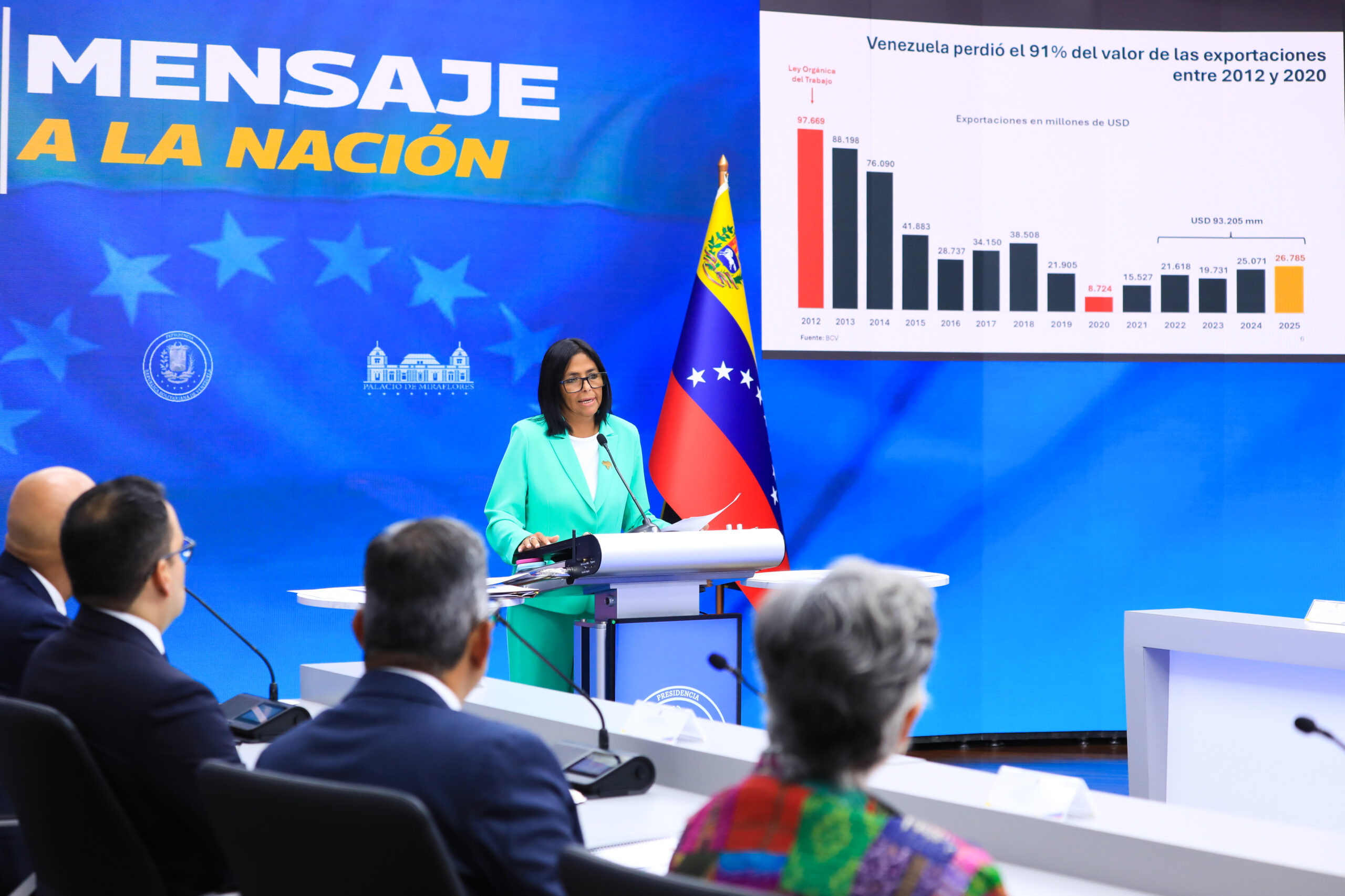
To understand the scale of this challenge, one must look at the broader macroeconomic indicators. Venezuela’s economy has undergone one of the most severe contractions in modern history outside of a wartime scenario. While oil production has seen slight recoveries due to shifting geopolitical alliances and sanctions waivers, the wealth rarely trickles down to the minimum wage earner.
The impact is felt most acutely in urban centers like Caracas and Valencia, where the cost of living is highest. In these cities, the informal economy—street vending and “tigritos” (small side jobs)—has grow the primary survival mechanism. A formal wage increase may actually push some workers further into the informal sector to avoid the taxes and regulations associated with formal employment.
Comparative Analysis of Labor Pressures
| Factor | Official Government Stance | Market Reality | Long-term Risk |
|---|---|---|---|
| Wage Level | “Responsible” increase to preserve power | Paced below inflation rates | Increased poverty levels |
| Labor Force | Call for youth repatriation | Mass exodus of skilled labor | Permanent loss of human capital |
| Stability | Dialogue through recent commissions | Persistent street protests | Social unrest and volatility |
The Institutional Gap: From Protests to Policy
The installation of the labor dialogue commission is a tactical move to move conflict from the streets into boardrooms. But the “precarization” Rodríguez mentions is systemic. When a worker’s salary cannot buy a kilo of flour, the dialogue is fundamentally unbalanced.
The government’s focus on “formalizing the labor sector” is an attempt to bring more workers back into the tax net. Yet, for many small business owners, the cost of compliance is too high. They are often caught between government mandates and the reality of a bankrupt customer base.
This regulatory squeeze has led many entrepreneurs to rely on corporate strategic consultants to restructure their operations, often shifting toward export-oriented models to earn hard currency (USD) rather than relying on the domestic market.
For further context on the regional economic instability, the International Monetary Fund (IMF) and the World Bank provide critical data on the hyperinflationary trends that continue to plague the region.
The Road Ahead
The May 1st increase will provide a momentary reprieve for some, but it does not solve the underlying pathology of the Venezuelan economy. The “responsible” increase is a band-aid on a systemic hemorrhage. The real test will not be the announcement itself, but whether the purchasing power of that wage survives the month of May.
As the administration attempts to lure back its youth and stabilize its workforce, the disconnect between political rhetoric and the lived experience of the worker remains the primary obstacle. The tragedy of the Venezuelan labor market is that the people most needed to rebuild the country are the ones most incentivized to stay away.
In an environment where the rules change overnight, relying on guesswork is a recipe for failure. Whether you are a business owner attempting to navigate these new wage mandates or a professional weighing the risks of repatriation, the only safeguard is verified expertise. Finding a trusted partner through the World Today News Directory is the difference between surviving the volatility and thriving despite it.