
Varanasi Bulldozer Demolition: Hanuman Temple & Mosque Razed for Railway Terminal – Controversy Explained
In a rapid, late-night operation on June 3, 2026, authorities in Varanasi, India, demolished the Ajgaib Shaheed Mosque, an adjacent cemetery and a local Hanuman temple to clear land for the Varanasi Multi-Modal Terminal station project. This infrastructure-driven displacement highlights the intensifying tension between urban modernization and long-standing cultural heritage.
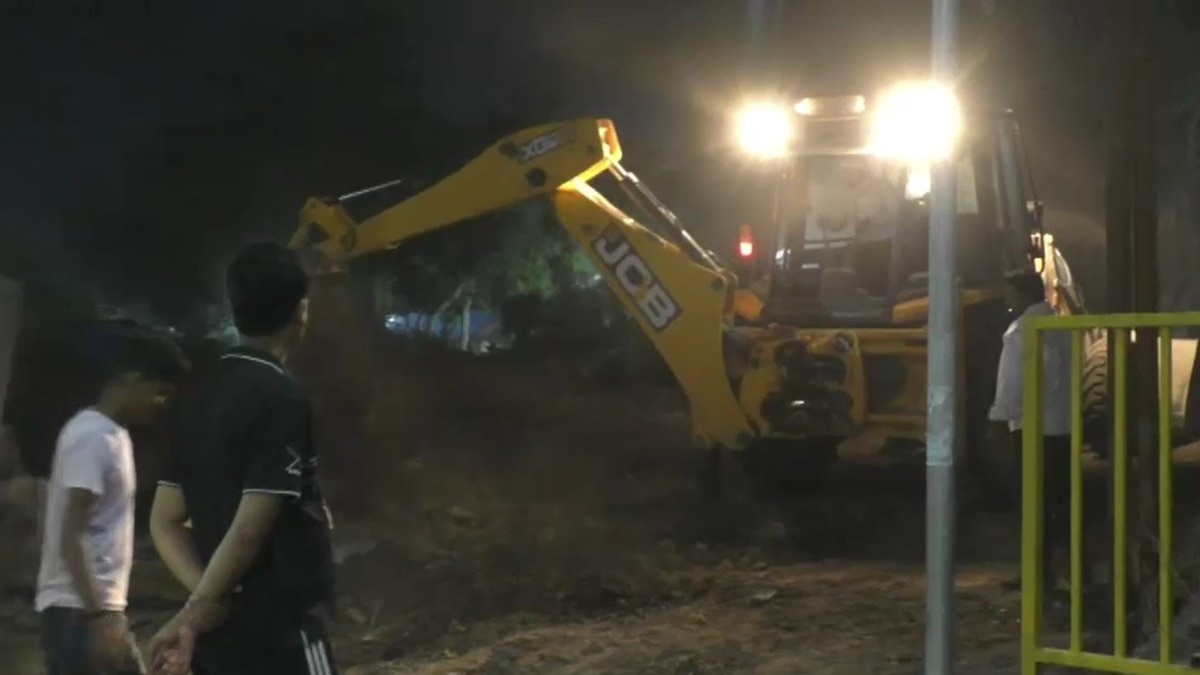
The clock read 3:15 AM when the heavy machinery began its work. By dawn, the structures were gone, leaving behind a scarred landscape and a community grappling with the sudden erasure of their landmarks. This is not merely a story of construction; It’s a case study in the friction caused by rapid state-led development in ancient urban centers.
When the government prioritizes connectivity, the cost is often borne by those who have occupied the land for generations. The project is part of the broader national infrastructure expansion, aiming to turn Varanasi into a logistics hub. However, the methods employed—specifically the nocturnal timing of the demolition—have raised serious questions regarding due process and public consultation.
The Anatomy of Displacement
Urban development in historic cities like Varanasi often operates on a collision course with the past. The demolition of the Ajgaib Shaheed Mosque and the Hanuman temple serves as a stark reminder that in the eyes of state planners, historical and religious sites are often categorized merely as “encroachments” hindering economic growth.
The legal framework surrounding such actions is complex. In India, the Right to Fair Compensation and Transparency in Land Acquisition, Rehabilitation and Resettlement Act is designed to protect citizens, yet the speed of this operation suggests a circumvention of traditional notification windows. For residents and community stakeholders, the immediate need is not just protest, but professional navigation of the legal landscape to ensure any remaining rights are protected.
Affected families and community trusts are now left in a state of limbo. This is precisely where professional intervention becomes vital. When state authorities move to seize property, those impacted must seek guidance from land rights and property litigation attorneys to challenge acquisition notices or demand equitable rehabilitation packages.
“The midnight demolition creates a dangerous precedent where administrative convenience overrides the sanctity of community heritage. Without a transparent grievance redressal mechanism, the social fabric of the city is being frayed at the seams, not by the project itself, but by the lack of human-centric planning.” — Dr. Alok Singh, Urban Policy Analyst.
Infrastructure vs. Heritage: A Growing Economic Divide
The Varanasi Multi-Modal Terminal is projected to boost regional commerce by integrating rail, road, and water transport. Yet, the economic benefits often fail to trickle down to those displaced by the project. The destruction of the cemetery, in particular, has caused deep emotional distress, highlighting a failure to account for intangible cultural value in cost-benefit analyses.
We must look at the broader implications. As cities expand, the demand for specialized urban planning and property management services spikes. When infrastructure projects displace residents, the subsequent need for relocation assistance and property valuation becomes paramount. Families and businesses affected by these shifts should look toward local urban advocacy groups and professional relocation consultants to navigate the transition.
The Regulatory Landscape
- Land Acquisition Protocols: Understanding the specific municipal laws that allow for expedited clearance.
- Heritage Protection Laws: Determining if the demolished sites held protected status under the Archaeological Survey of India guidelines.
- Rehabilitation Rights: Identifying the legal entitlements for those whose homes or places of worship were razed.
The Human Cost of Progress
The silence of the streets at 3:15 AM was broken by the roar of hydraulic excavators, a sound that has become synonymous with “development” across many parts of the developing world. The local community, caught off guard, now faces the daunting task of proving their claims to land that has been, in some cases, held by families for over a century.

“The bulldozer does not negotiate. It is a blunt instrument used to silence complex conversations about land ownership and history. If we do not implement a mandatory mediation phase before such actions, we are effectively inviting a permanent state of civil litigation.” — Senior Advocate, Varanasi District Court.
For the residents of Varanasi, the immediate aftermath is a logistical nightmare. Documenting property boundaries, verifying titles, and assessing the physical damage to personal belongings requires specialized help. If you find yourself in a similar position, connecting with specialized property and civil rights lawyers is the most effective way to secure your standing against administrative overreach.
Looking Ahead: The Persistence of Change
The Varanasi incident is not an isolated event. As India pushes toward its 2030 infrastructure goals, more cities will face similar “bulldozer” scenarios. The challenge for the future is to balance the undeniable need for modern transport links with the equally important need for respecting the cultural and religious identity of dense, ancient urban centers.
As the dust settles over the site of the former mosque and temple, the real work begins. It is a work of documentation, legal maneuvering, and community rebuilding. The infrastructure will eventually be built, but the legacy of how it was achieved will determine the social stability of the region for years to come. In an era of rapid transformation, the most valuable asset a citizen can possess is access to verified, professional guidance to navigate the shifting sands of urban policy and property law. If you are facing displacement or administrative challenges, ensure your next step is supported by those who understand the intricacies of the law and the rights of the individual.