Vancouver startup develops woodpecker-inspired helmet for safety record
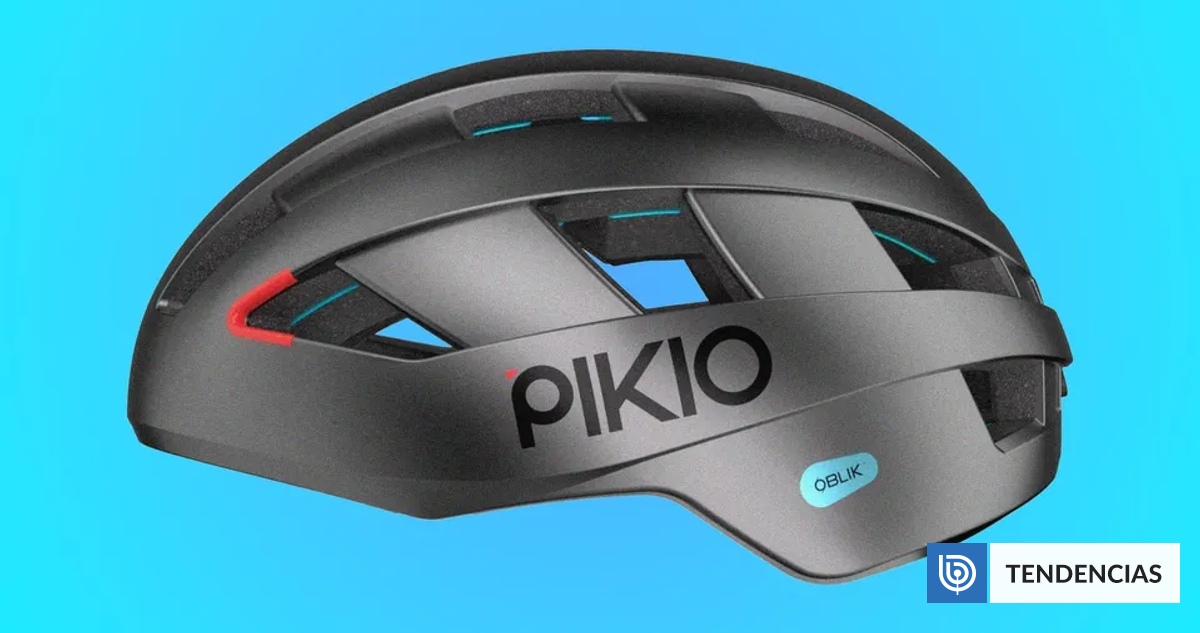
A Vancouver startup has developed a woodpecker-inspired cycling helmet called the Pikio Si Oblik, which achieved a safety score of 4.61 on the Virginia Tech rating scale. That score represents the best rating recorded in the history of the testing facility, outperforming the previous leader, the Canyon Deflectr, by roughly 32 percent.
Engineering Against Rotational Force
For decades, safety testing focused primarily on direct, linear impacts. The US Consumer Product Safety Commission still evaluates helmets using straight-line drop tests. Research shows that head injuries often stem from rotational forces rather than direct blows alone. When a cyclist crashes, angular velocity twists and stretches brain tissue inside the skull, increasing the risk of concussions.
Independent testing expanded in 2007 with the arrival of the Multidirectional Impact Protection System, commonly known as MIPS. Virginia Tech launched its STAR ratings in 2018 to evaluate both linear and rotational forces. By 2025, the number of five-star models reached 167 out of 272 tested items, prompting the university to tighten its evaluation criteria.

The Oblik Moving-Part Design
Daniel Abram spent 18 years researching impact protection, studying mechanical engineering at Simon Fraser University and helping to develop the BrainShield system before founding BiaGuard and acquiring MIPS patents. Most traditional helmets rely on a thin plastic shell over expanded polystyrene foam. The Pikio helmet divides that foam into independently mounted sections.
Flexible connection points link each section to the base layer, allowing individual parts to shift or detach during severe impacts. Dual-density foam handles direct blows. The helmet retails for $379, weighing 279 grams in a medium size and featuring 17 ventilation ports. Replacement policies offer a 30 percent discount when a damaged helmet is returned to the company.