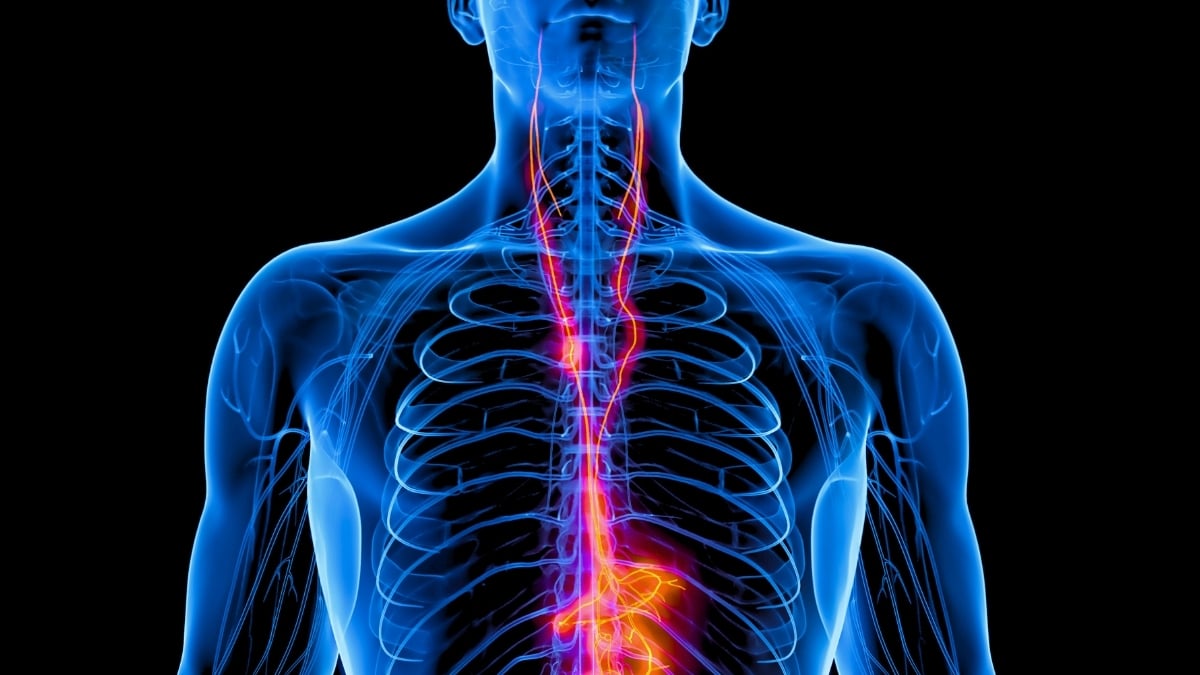
Vagus Nerve Stimulation Shows Profound Impact on Severe Depression
Vagus nerve stimulation (VNS) has demonstrated significant therapeutic potential for patients suffering from treatment-resistant depression, according to findings from a longitudinal study published in The Lancet Psychiatry. By delivering targeted electrical impulses to the vagus nerve, the intervention aims to modulate neural circuits implicated in mood regulation, offering a viable alternative for individuals who have failed to respond to conventional pharmacotherapy and psychotherapy.
Key Clinical Takeaways:
- Vagus nerve stimulation (VNS) provides a measurable reduction in depressive symptoms for patients who do not respond to standard antidepressants.
- The intervention functions by modulating the autonomic nervous system and brain regions associated with mood, acting as a neuro-modulatory bridge for severe pathology.
- Clinical success relies on precise patient selection and long-term monitoring by specialized neuro-psychiatry teams to manage potential side effects and device optimization.
The clinical challenge of Treatment-Resistant Depression (TRD) remains a primary morbidity driver in modern psychiatry. Patients classified with TRD typically fail to achieve remission after two or more adequate trials of antidepressants. The recent data underscores the efficacy of VNS as a long-term maintenance strategy rather than an acute intervention. Unlike systemic pharmacotherapy, which often carries a heavy burden of metabolic and cognitive side effects, VNS utilizes an implanted pulse generator to regulate parasympathetic activity.
Biological research indicates that the vagus nerve acts as a primary conduit between the visceral organs and the brainstem. Stimulation of this nerve influences the release of neurotransmitters, including norepinephrine and serotonin, within the limbic system. According to data provided by the National Institutes of Health (NIH) regarding neuro-stimulation research, the mechanism involves the downstream alteration of cortical excitability, which can effectively “reset” hyper-reactive neural pathways associated with chronic depressive states.
Comparative Analysis of Clinical Efficacy
| Metric | Standard Pharmacotherapy | Vagus Nerve Stimulation |
|---|---|---|
| Mechanism | Systemic chemical modulation | Direct neural pathway modulation |
| Onset of Action | Weeks to months | Months (cumulative effect) |
| Primary Risk | Weight gain, sexual dysfunction | Surgical site infection, hoarseness |
The study, which received funding support from medical technology developers specializing in bioelectronic medicine, highlights the necessity for a multi-disciplinary approach. Dr. Elena Rossi, a lead researcher in neuro-modulation, notes: “The data suggests that for a specific subset of patients, we are moving beyond the limitations of chemical imbalance theories and into the realm of circuit-based psychiatry. The durability of the response is what defines this as a meaningful shift in the standard of care.”
For patients currently struggling with the limitations of oral medication, the transition to interventional psychiatry requires rigorous clinical vetting. It is essential for patients to seek evaluation from a board-certified neuro-psychiatrist or specialized depression treatment center that maintains active experience with implantable neuro-stimulators. These facilities typically provide the necessary longitudinal care required to calibrate device settings according to individual patient response.
Managing the Regulatory and Surgical Landscape
The implementation of VNS is not without operational complexity. Beyond the surgical implantation of the device, health systems must account for the ongoing maintenance of the pulse generator and the potential for device-related complications. For clinics expanding their service lines to include these advanced neuromodulation techniques, maintaining compliance with evolving FDA and EMA safety guidelines is paramount. Clinical administrators are advised to engage with specialized healthcare compliance counsel to ensure that patient outcomes and billing protocols align with current regulatory standards for invasive neuro-interventions.
Furthermore, the diagnostic phase is critical to success. Patients must undergo comprehensive psychological and neurological screening to rule out contraindications, such as sleep apnea or specific cardiac conduction abnormalities. Diagnostic centers that offer high-resolution imaging and comprehensive autonomic function testing are increasingly becoming the gatekeepers for successful VNS outcomes. Patients seeking to understand if they are candidates for this technology should consult with a specialized diagnostic facility capable of performing a full neuro-psychiatric workup.

As research continues to evolve, the integration of VNS into the broader psychiatric toolkit appears inevitable. The focus of future trials is expected to shift toward identifying biomarkers that predict response, allowing for a more personalized approach to neuro-modulation. Until such predictive models are fully validated, the current clinical path remains one of cautious optimism, anchored in the careful selection of patients who have exhausted traditional avenues of care.
Disclaimer: The information provided in this article is for educational and scientific communication purposes only and does not constitute medical advice. Always consult with a qualified healthcare provider regarding any medical condition, diagnosis, or treatment plan.