UVA Study Reveals Alzheimer’s Gene CASS4 Helps Brain Immune Cells Contain Toxic Plaques
A gene that helps the brain’s immune cells contain toxic amyloid plaques is essential to Alzheimer’s disease, and its failure accelerates plaque spread, neuronal damage and cognitive decline, researchers at UVA Health have discovered.
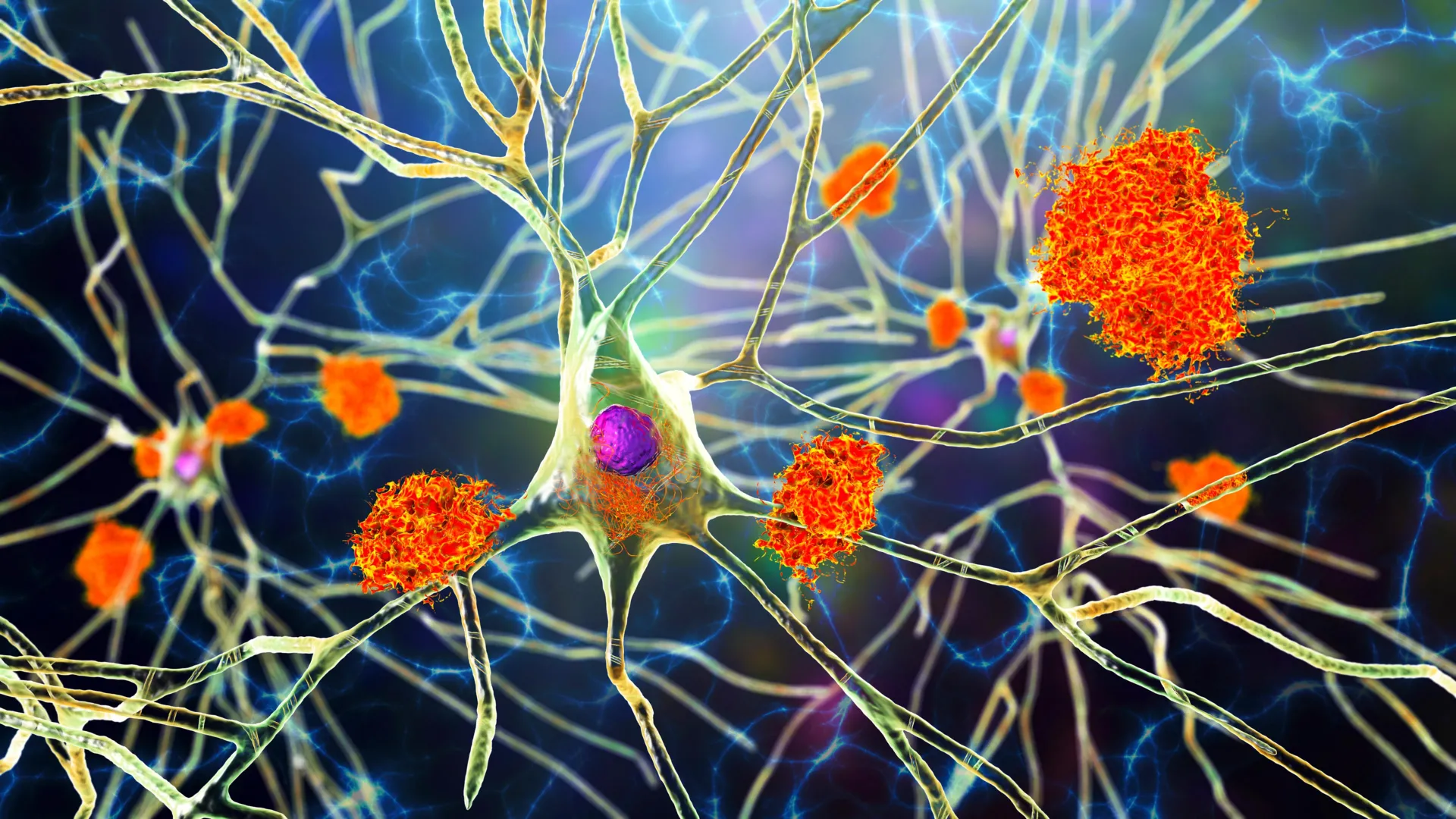
The study, published October 27 in the Journal of Experimental Medicine, identifies CASS4 — long flagged as a genetic risk factor but whose function was unknown — as a key regulator of microglia, the brain’s cleanup cells. When CASS4 activity was disrupted in laboratory mice, microglia struggled to surround and compact amyloid-beta plaques, allowing deposits to accumulate more aggressively, damaging nearby neurons and worsening the animals’ cognitive function.
“These findings break new ground in our understanding of how this genetic risk factor contributes to Alzheimer’s disease.”
John Lukens, PhD, director of UVA’s Harrison Family Translational Research Center in Alzheimer’s and Neurodegenerative Diseases, said.
“Our work further suggests that defective CASS4 activity may serve as an early-onset biomarker to detect Alzheimer’s and that therapeutic strategies which boost its function may offer a much-needed approach to treat this devastating brain disease.”
Lukens said.

The findings shift the focus to the brain’s immune system rather than nerve cells themselves. CASS4 influences Alzheimer’s primarily through microglia, not by acting directly in neurons, as some scientists previously suspected, the researchers concluded.
“Despite CASS4 being an Alzheimer’s risk gene, really nothing is known about what this gene does or how it affects the brain during disease. Our lab sought to address this major knowledge gap with this paper.”
Addie Walsh, UVA physiology graduate student and first author of the paper, said.
Losing CASS4 also triggered widespread changes in the activity of other genes, effects that could extend beyond Alzheimer’s. Lukens said researchers are also studying whether CASS4 plays a role in other neurological diseases.
“There’s a lot of reason to be hopeful in this space right now, because a lot of people are really pushing hard to find treatments and break new discoveries.”
Lukens said.
- Irregular Sleep-Activity Rhythms Double Dementia Risk in Older Adults, Study Finds
- 17-Year-old Develops Severe Acne, Weight Gain After Taking Unprescribed Pills
- UVA Health Researchers Identify How Alzheimer’s Risk Gene CASS4 Regulates Brain’s Immune Cells, Offering New Therapeutic Target (archyde.com)
- NASA Study Reveals Ancient Heavy-Oxygen Water-Ice Reservoir in Kuiper Belt (time.news)