Used Car Market in Bulgaria Faces Major Shift: 8% Drop in 2026
Bulgaria’s secondary automotive market is undergoing a violent structural correction in Q1 2026, characterized by an 8% year-over-year contraction in used vehicle imports. This downturn, double the severity of the new car segment’s decline, signals a liquidity crunch following pre-Euro adoption speculative buying. Simultaneously, consumer capital is aggressively rotating away from legacy hatchbacks toward utility-focused SUVs, reshaping the asset depreciation curves for fleet managers and insurers across the Balkans.
The data emerging from the Ministry of Interior registrations for January and February reveals a market that is not merely cooling, but fundamentally recalibrating. After five consecutive years of uninterrupted growth, the import volume of used vehicles has stalled. This is not a random fluctuation; it is the inevitable hangover from the fiscal fourth quarter of 2025. As the nation prepared for Eurozone integration, cash-heavy transactions surged to lock in valuations before currency standardization. That front-loaded demand has left the early 2026 order books thin.
For institutional investors and B2B service providers, the composition of this shrinking pie is more critical than the volume. The average age of imported inventory is skewing significantly older. Nearly 69% of all registered used vehicles are now over a decade aged. This demographic shift creates immediate friction in the supply chain. Older assets require more intensive maintenance, creating a bottleneck for logistics firms that rely on uptime guarantees. Companies managing cross-border fleets in the region are increasingly turning to specialized fleet management and maintenance providers to mitigate the rising total cost of ownership associated with this aging inventory.
The Great Rotation: From Hatchbacks to Utility
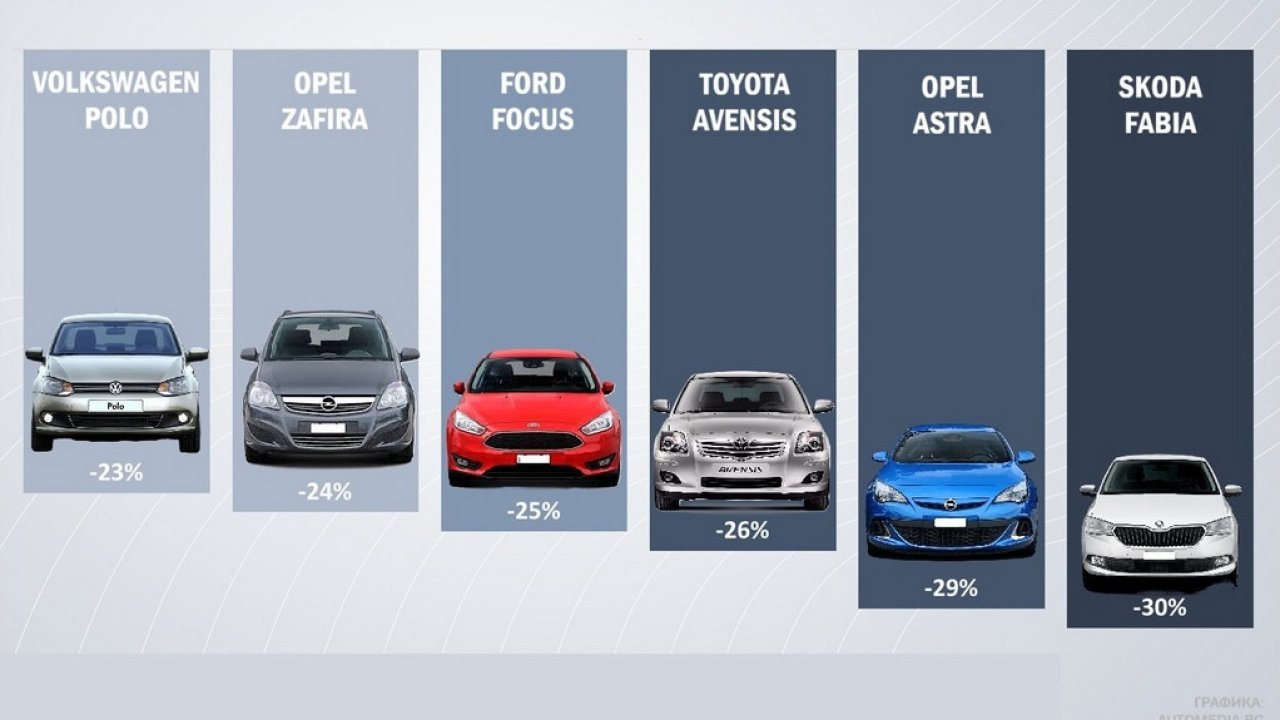
The most telling metric in this quarter’s report is the seismic shift in model preference. For two decades, the Bulgarian secondary market was dominated by compact, fuel-efficient hatchbacks and sedans—vehicles chosen purely for their low entry price. That era is effectively over. The data indicates a clear migration toward SUVs, even in the used segment. Six of the top-performing models by growth rate are now Sport Utility Vehicles.
Consider the Hyundai Tucson. Once a niche player in the secondary market, it has seen a 6% year-over-year growth in registrations, outperforming legacy volume leaders. Conversely, traditional stalwarts like the Volkswagen Golf and various sedan variants are seeing their market share erode. This isn’t just about style; it is a reflection of disposable income allocation. Buyers are willing to accept higher mileage and older model years if the vehicle offers the perceived safety and utility of an SUV.
This rotation presents a complex challenge for automotive financiers and insurers. The risk profile of a 12-year-old SUV differs vastly from a 12-year-old compact car. As the asset base ages and shifts segments, specialized automotive insurance underwriters are being forced to rewrite their actuarial tables for the region. The “cheap car” narrative is dead; the market is now demanding value retention and utility, even in the sub-€10,000 bracket.
Liquidity Constraints and the Cash Economy
Unlike Western European markets where leasing and corporate financing dominate the used sector, Bulgaria remains a cash-driven ecosystem for secondary vehicles. The 8% contraction is partly a function of retail liquidity drying up after the holiday spending season and the pre-Euro splurge. When credit is tight and cash is king, volume inevitably drops.
“The divergence between new and used car performance in Bulgaria highlights a bifurcated market. While corporate fleets refresh via new acquisitions, the retail sector is trapped in an aging cycle. We are seeing capital flight from low-margin hatchbacks into higher-utility assets, forcing dealers to restructure their inventory financing.”
This observation comes from senior analysts tracking Eastern European automotive trends, who note that the supply chain is struggling to adapt to this new mix. The dominance of vehicles over 10 years old suggests that the average Bulgarian consumer is priced out of the “nearly new” segment entirely. They are buying the oldest possible asset that still functions, prioritizing immediate utility over long-term reliability.
Market Data: The Shift in Top Registrations
The following breakdown illustrates the volatility in the top 50 most registered used models. The contrast between the growth leaders (SUVs) and the decliners (traditional segments) underscores the narrative entropy currently disrupting the market.
| Segment Trend | Representative Model | Market Movement (YoY) | Strategic Implication |
|---|---|---|---|
| Growth Leader | Hyundai Tucson (SUV) | +6% Growth | Shift toward utility and perceived safety despite higher maintenance costs. |
| Declining Segment | Legacy Hatchbacks | Significant Drop | Consumer rejection of entry-level compact cars in favor of larger used assets. |
| Volume King | Vehicles >10 Years Old | 69% of Total Market | Increased demand for aftermarket parts and independent repair services. |
| Premium Outlier | BMW (Various) | Outperforming Ford/Opel | Strong brand loyalty driving value retention in the luxury used segment. |
The table above highlights a critical opportunity for the aftermarket sector. With 69% of the fleet exceeding the 10-year mark, the demand for genuine parts and certified repair services is skyrocketing. However, the supply chain for these older models is fracturing. This environment favors automotive supply chain and logistics firms that can source hard-to-find components for aging European and Asian models efficiently.
The Eurozone Effect and Future Outlook
Looking ahead to Q2 and Q3, the market faces a period of stabilization. The artificial spike in late 2025 created a vacuum that early 2026 is currently filling. However, the structural changes—specifically the age of the fleet and the pivot to SUVs—are permanent. The era of importing cheap, young city cars from Western Europe is diminishing as those source markets tighten their own export regulations on older, higher-emission vehicles.
For businesses operating in this space, the strategy must shift from volume to value. The “churn and burn” model of moving high volumes of low-margin hatchbacks is no longer viable. The winners in the next fiscal year will be those who can service the complex needs of an older, SUV-heavy fleet. Whether through specialized financing products that account for higher depreciation risks, or logistics networks capable of supporting a geriatric vehicle population, the B2B service layer is where the real margin lies.
As the dust settles on this correction, the Bulgarian market is maturing. It is becoming less about the cheapest possible transport and more about asset utility. For investors and service providers monitoring the region, the signal is clear: the low-hanging fruit is gone. The next phase of growth requires sophisticated partners who understand the nuances of an aging, utility-focused fleet. Navigate this transition by connecting with vetted automotive service and financial partners within the World Today News Directory to secure your position in this evolving landscape.