
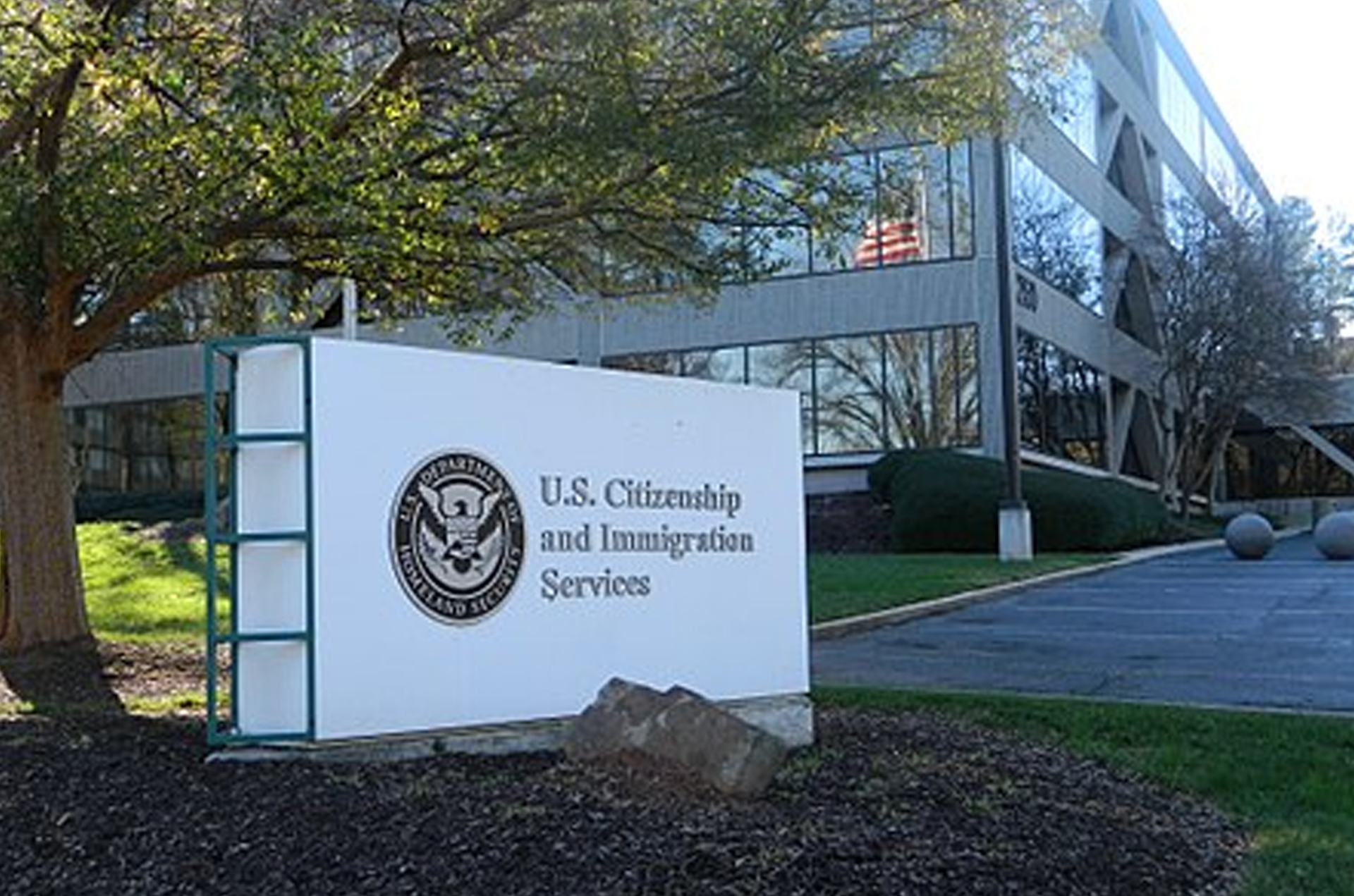
The U.S. Citizenship and Immigration Services (USCIS) proposed a rule Friday that could temporarily halt the processing of operate permits for asylum seekers, a pause potentially lasting “many years,” according to the agency. The proposed regulation, published in the Federal Register, would suspend the acceptance of applications for Employment Authorization Documents (EADs) when average internal processing times exceed 180 days.
Given current processing delays, USCIS anticipates that, if approved, new work permit requests from asylum seekers would be frozen for a “prolonged period, possibly many years.” The agency argues the initiative aims to curb what it considers an “incentive” for irregular migration and fraudulent claims within the asylum system.
A USCIS spokesperson stated the agency has seen a surge in applications, becoming a “way for non-citizens to legally work in the country,” which has overburdened the system. “Non-citizens do not have a right to work although we process their asylum applications,” the spokesperson said, referencing the plan detailed in the Federal Register.
The proposal too extends the waiting period before asylum seekers become eligible to apply for work permits from 150 to 365 days. USCIS asserts that without this plan, processing times could dramatically increase, estimating it would take between 14 and 173 years to reduce the current backlog and resolve asylum applications within 180 days.
More than 1.4 million affirmative asylum applications are currently pending review by USCIS. The agency highlights that applications for employment authorization associated with pending asylum cases have reached a “historic high.”
The Department of Homeland Security (DHS) is also proposing a rule to prioritize security investigations, which could further impact processing times, according to a USCIS announcement on February 20, 2026. The DHS proposal aims to reinforce investigations and reduce meritless claims, potentially impacting the number of work permits issued.
The proposed rule comes as USCIS continues to process a large volume of I-765 applications, the form used to request employment authorization, according to the agency’s website.
