US urges Lebanon to reclaim sovereignty from Iranian-backed influence
The border between Israel and Lebanon continues to see activity, where the visual of white phosphorus explosions on April 30, 2026, serves as a reminder of the ongoing tensions. While a ceasefire brokered by the Trump administration remains in effect through mid-May, the underlying diplomatic struggle has shifted. The United States is now advocating for a change in how the Lebanese state is managed and governed.
The Sovereignty Gamble in Beirut
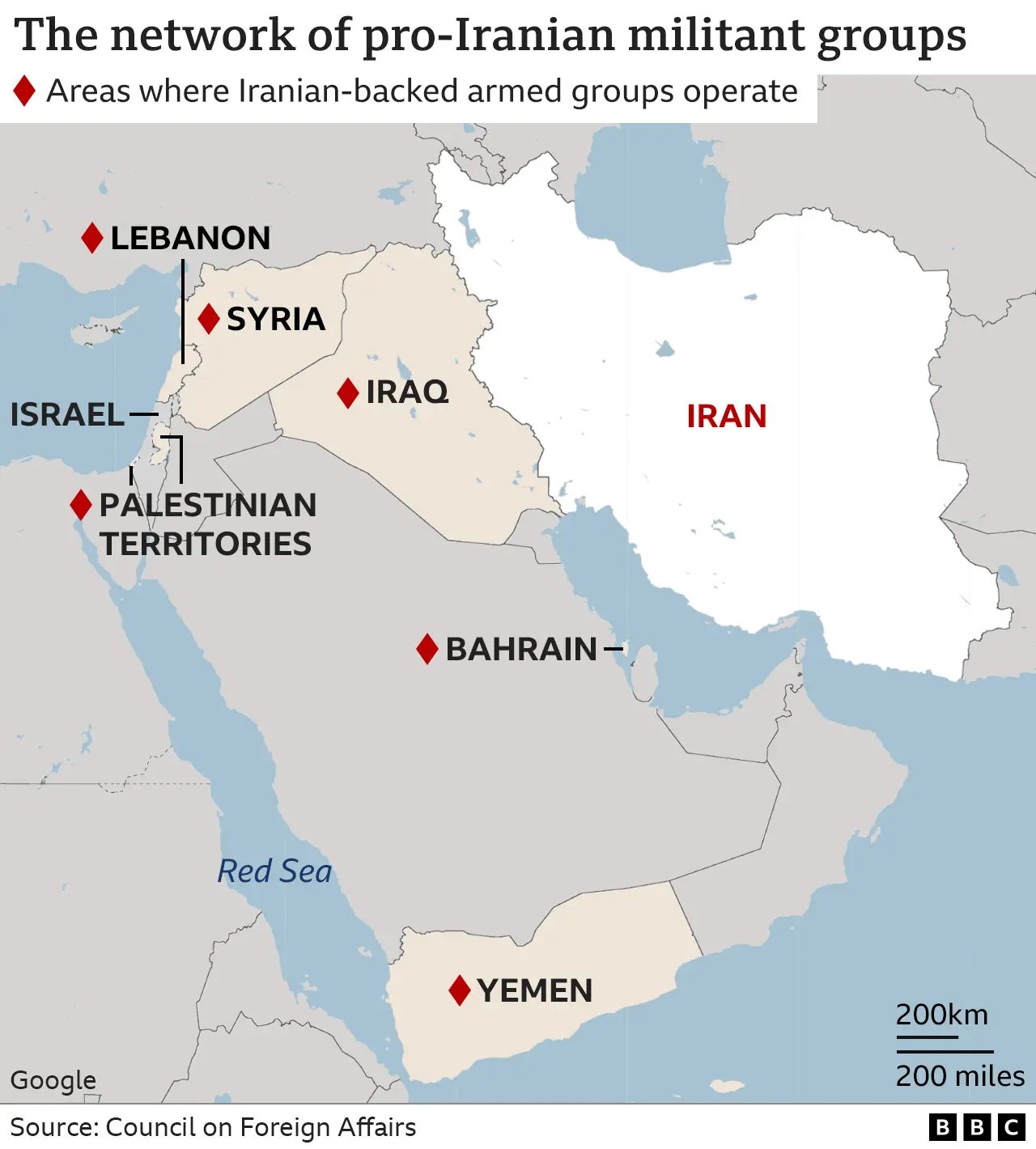
The U.S. Embassy in Beirut has issued a direct challenge to the Lebanese government, urging it to distance itself from Hezbollah. While the embassy did not name the group explicitly in its recent communications, the intent was clear: the U.S. is calling for the sidelining of the Iranian-backed organization, which it and Israel designate as a terrorist entity and which has maintained a massive force in Lebanese politics for decades
, according to reporting from CBS News.
“Lebanon stands at a crossroads. Its people have a historic opportunity to reclaim their country and shape their future as a truly sovereign, independent nation,” the embassy said in a social media post on Thursday, warning the “time for hesitation is over.” U.S. Embassy in Beirut
This diplomatic push is not merely rhetorical. The U.S. has proposed a specific, high-level pathway to resolve the conflict: a direct meeting between Lebanon’s President Aoun and Prime Minister Netanyahu. The embassy indicated that such a meeting, facilitated by President Trump, could provide the mechanism for Lebanon to secure concrete guarantees on full sovereignty, territorial integrity, secure borders, humanitarian and reconstruction support, and the complete restoration of Lebanese state authority over every inch of its territory — guaranteed by the United States
.
The Lebanese government is currently navigating these diplomatic demands. Prime Minister Dr. Nawaf Salam met with U.S. Ambassador Michel Issa on Friday in Beirut. According to a statement from Salam’s office, those discussions were centered on consolidating the ceasefire and on talks related to negotiations with Israel
. The U.S. position is that Lebanon never been at war
with Israel by choice, but was dragged into the regional conflict by Hezbollah’s retaliatory attacks following U.S.-Israeli strikes on Iran that began on Feb. 28.
Buffer Zones and Border Violations
The humanitarian cost of the current escalation is stark. Israeli forces have conducted a campaign of airstrikes and a ground invasion in southern Lebanon that authorities report has killed almost 2,590 people and displaced more than a million. The military objective, as stated by Israeli leaders, is the removal of the Hezbollah threat. To achieve this, Israel intends to occupy a buffer zone across southern Lebanon indefinitely, forcing residents to evacuate.
This occupation exists alongside a ceasefire that is under constant strain. Both Israel and Hezbollah have accused one another of near-daily violations. The nature of this arrangement was underscored on April 30, when an explosion of what appeared to be white phosphorus fired by the Israeli military was observed on the Lebanese side of the border.
The U.S. is framing this moment as a decisive break for the Lebanese people. The embassy asserted that this is Lebanon’s moment to decide its own destiny, one which belongs to all its people
, reiterating that the time for hesitation is over
.
Economic Signals and the Iranian Proposal
While the focus in Beirut is on sovereignty, the broader conflict between Washington and Tehran involves various diplomatic and economic interactions. On Friday, oil prices saw a decline after Iranian officials sent an updated peace proposal to mediators in Pakistan. Pakistani officials confirmed to MS Now that the proposal has since been delivered to the U.S.
The market responded immediately to the possibility of a settlement. According to CNBC, U.S. crude oil futures fell nearly 5% to $100.03 per barrel by 10:23 a.m. ET. The international benchmark Brent also declined, losing nearly 3% to $107.14.
Despite this diplomatic movement, the fundamental points of contention remain unresolved. President Trump has vowed to maintain a blockade on Iranian ports until Tehran agrees to a nuclear deal. In return, Tehran has refused to reopen the Strait of Hormuz unless that blockade is lifted. This stalemate persists as both sides weigh the potential impact of the updated proposal on their respective strategic goals.
The War Powers Clock and Military Threats
A critical legal deadline is currently shaping the White House’s strategy. Under the War Powers Resolution of 1973, a president must withdraw troops within 60 days of notifying Congress of their deployment unless lawmakers authorize the action. President Trump formally notified Congress on March 2, which set a May 1 deadline.
To avoid seeking Congressional approval, the Trump administration is arguing that the 60-day clock no longer applies. An administration official told MS Now that the ceasefire agreed to on April 7 terminated
hostilities between the two sides. This argument—first raised by Defense Secretary Pete Hegseth during a House Armed Services Committee hearing—posits that the absence of direct fire between U.S. and Iranian forces effectively paused the war for legal purposes.
This legal maneuvering occurs against a backdrop of explicit military threats. While the two nations are in a ceasefire, the threat of renewed violence is a tool of diplomacy. U.S. Central Command has reportedly prepared a plan for a short and powerful
wave of strikes on Iran, intended to break the stalled talks. Conversely, a senior official from Iran’s Revolutionary Guards has threatened long and painful strikes
on U.S. positions should Washington renew its attacks.
The current diplomatic landscape is a high-stakes calculation. The U.S. is attempting to simultaneously isolate Iranian influence in Lebanon, navigate a strict legal deadline regarding troop deployment, and use the threat of precision strikes to force a nuclear agreement. Whether the updated proposal from Pakistan can bridge these gaps remains the central question for the coming weeks.