US Urges G20 to Target China Trade Imbalances and Import Surges
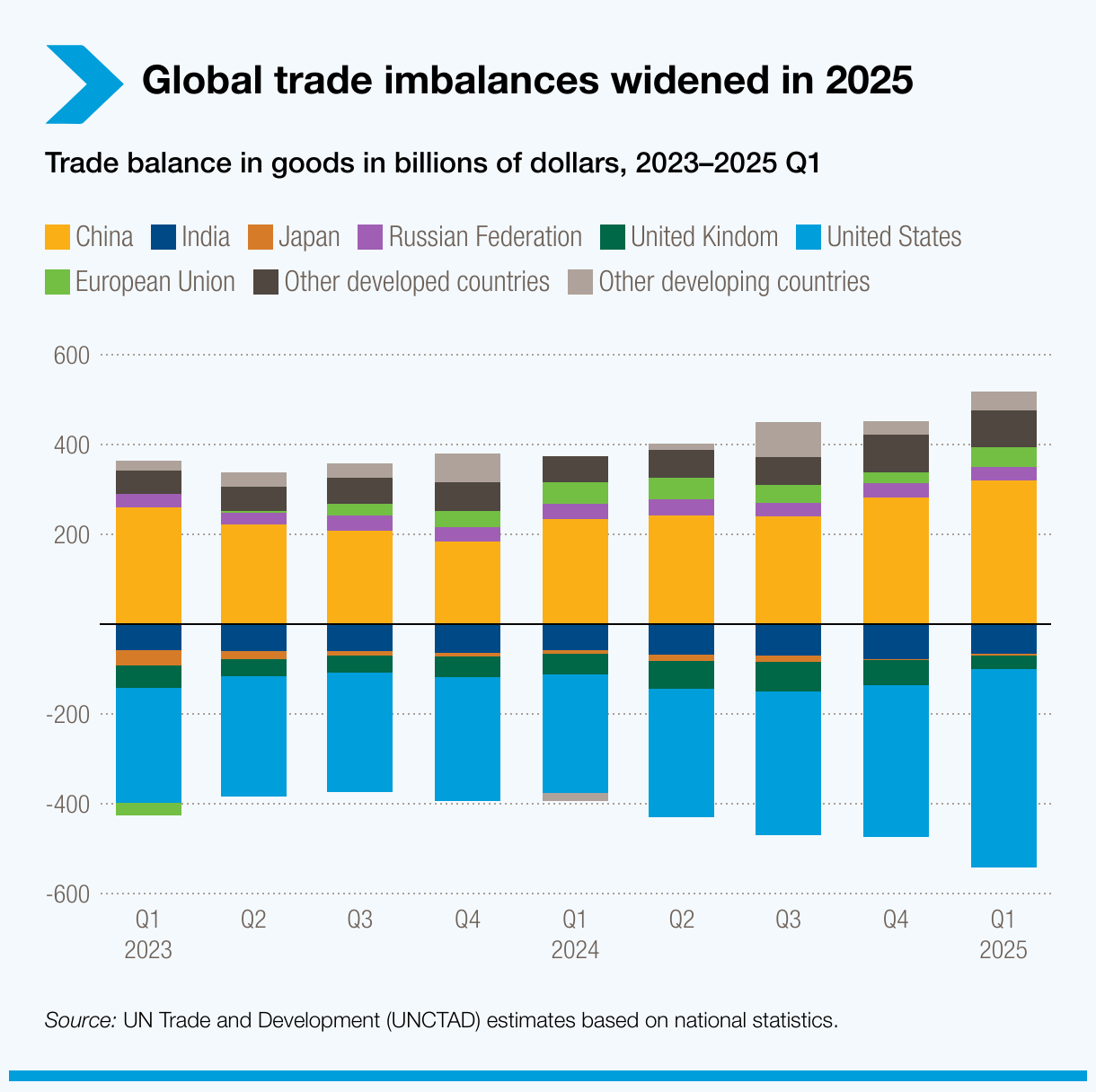
U.S. Treasury Secretary Scott Bessent urged G20 finance leaders on Tuesday to re-examine trade terms with China and weigh new trade barriers to counter a $1.2 trillion trade surplus that he said is draining growth from the global economy. Speaking at the G20 Finance Ministerial in Asheville, North Carolina, Bessent warned that Chinese industrial subsidies and weak domestic demand are forcing other nations to face stark choices to protect local jobs.
Global Imbalances and the China Trade Surplus
The U.S. Treasury chief told the gathering that China’s massive export push of electric vehicles, semiconductors, and other manufactured goods has created unsustainable distortions worldwide. According to Bessent, the rest of the world must examine its terms of trade with Beijing because China is attempting to export its way out of weak domestic economic conditions.
Bessent noted that he warned industrial economies last year that tougher U.S. tariffs would lead to an influx of Chinese goods diverted to their markets. “And unfortunately, I was right. They have — and the rest of the world probably needs to take a hard look at what they should be doing to protect their citizens’ jobs,” he told the meeting, according to reporting from the event.
Data from the U.S. Census Bureau shows that U.S. tariffs implemented since President Donald Trump returned to office in 2025 have cut the U.S. trade deficit with China for the first six months of 2026 by a third compared to the same period in 2025, bringing it down to $73.9 billion. However, those same tariffs have led to an influx of Chinese imports elsewhere, particularly in Europe and Latin America.
International Reactions at the Asheville G20 Talks
The U.S. push for a coordinated response exposed divisions among G20 participants. Polish Finance Minister Andrzej Domanski told Reuters that Chinese currency is heavily undervalued and that Beijing actively subsidizes its exports, creating economic problems for Europe as well. China’s goods trade surplus with the European Union reached €360.6 billion last year, marking a 15 percent increase over 2024.

European Economy Commissioner Valdis Dombrovskis acknowledged that China is a major source of economic imbalances, though he maintained that both the U.S. and Europe have roles to play in stabilizing global trade. Meanwhile, German Finance Minister Lars Klingbeil pointed out that U.S. tariff disputes and ongoing conflicts add significant uncertainty that damages global growth. “Uncertainty is poison for economic growth,” Klingbeil said, adding that tariff conflicts pursued by the U.S. destroy trust.
Japanese Finance Minister Satsuki Katayama told counterparts during a Monday evening news briefing that arbitrary export restrictions on critical minerals, enacted by Beijing in April 2025 in response to U.S. tariffs, are harming the global economy and should be withdrawn.
Diplomatic Outlook Ahead of the White House Summit
Disagreements over global trade imbalances ultimately derailed consensus on a joint communique, leaving the final text unresolved. China has shown little interest in reducing industrial subsidies, and its yuan currency remains significantly undervalued, with the International Monetary Fund assessing it to be undervalued by as many as 21 percent.

Bessent dismissed suggestions that a new currency pact modeled after the 1985 Plaza Accord would solve the underlying trade friction, calling such proposals an easy way to avoid dealing with excessive industrial subsidies and weak domestic demand in China.
The financial meetings precede a late September White House summit between U.S. President Donald Trump and Chinese President Xi Jinping. U.S. and Chinese officials plan to continue dialogues on potential tariff reductions on non-strategic goods—estimated at roughly $30 billion on each side—alongside artificial intelligence guardrails before the presidential meeting.