
US Treasury Secretary Vows Economic Asphyxiation of Iran Amid Strait of Hormuz Standoff
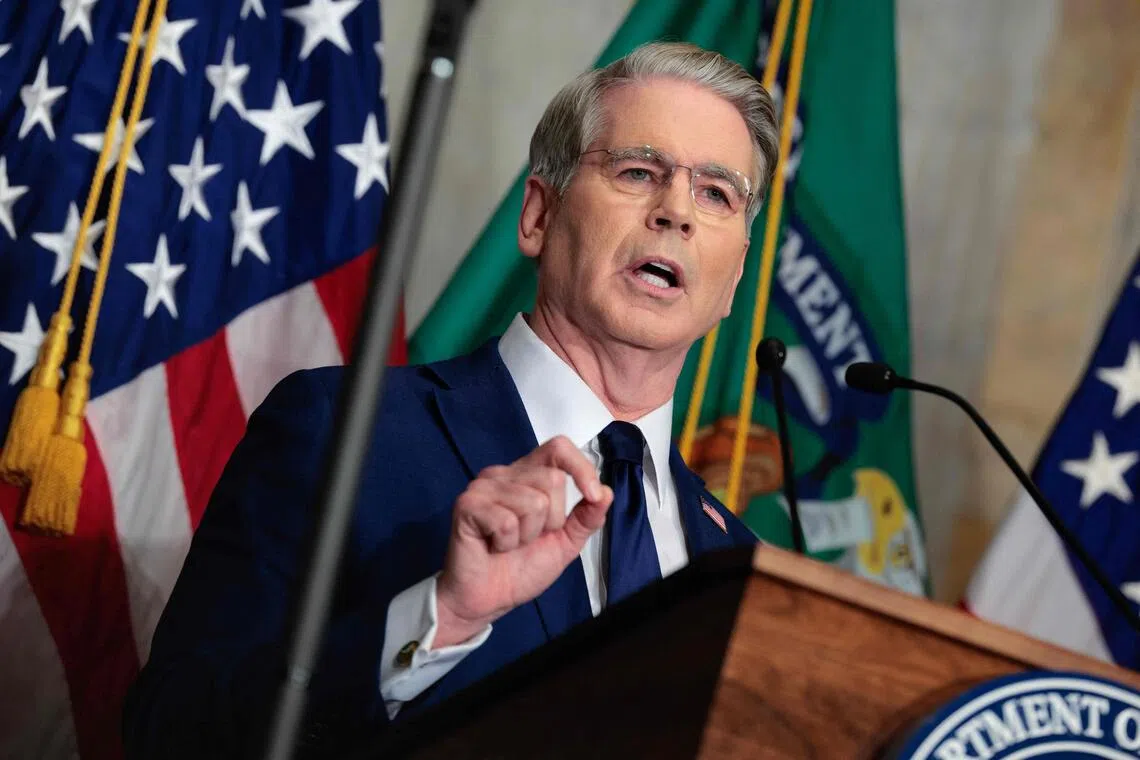
U.S. Treasury Secretary Scott Bessent announced plans on August 24 for the total economic asphyxiation of Iran, threatening secondary sanctions against any nation or entity maintaining financial ties with Tehran. The aggressive push comes six months into a stalled military conflict and ongoing blockades of the Strait of Hormuz.
Expanding Secondary Sanctions Amid Stalemate
The latest financial offensive targets multiple core sectors of the Iranian economy. According to the U.S. Treasury Department, expanded secondary sanctions will strike directly at Iran’s digital assets, technology, gold, aviation, and shipping sectors. Bessent stated during a press conference that Washington intends to sever every economic lifeline sustaining the regime until Tehran stands completely isolated. Any entity facilitating money laundering on behalf of Iran faces immediate removal from the U.S. dollar system.
The Battle Over the Strait of Hormuz
The conflict, launched jointly by the United States and Israel in February, quickly pivoted from Iran’s nuclear program to the critical maritime chokepoint of the Strait of Hormuz. Tehran has restricted nearly all commercial traffic through the crucial corridor, constricting global oil and gas supplies. Maritime tracker Kpler noted that Iranian oil exports have plummeted from two million barrels per day pre-war down to just 0.4 million barrels by mid-August.
The blockade continues to drive up international inflation, putting heavy domestic pressure on Washington ahead of the November mid-term elections. Despite decades of sanctions, Iran previously maintained vital export channels, relying heavily on buyers in China. When asked whether Chinese banks would face direct penalties under the new measures, Bessent maintained that no nation remains above the reach of U.S. sanctions.
Global Reactions and Diplomatic Pushback
Tehran has dismissed the latest U.S. announcements as an admission of military failure. Deputy Foreign Minister Kazem Gharibabadi questioned the necessity of what Washington terms the largest financial invasion in history if military objectives had genuinely been met. Similarly, Iranian parliamentary speaker Mohammad Bagher Ghalibaf stated on social media that the U.S. economy lacks the leverage to further restrict global relations.
Regional diplomacy remains active despite the hardening stances. On August 24, Pakistan’s army chief Asim Munir traveled to Tehran to meet with Ghalibaf. Islamabad previously served as a prominent mediator during April ceasefire negotiations that ultimately collapsed. Because Pakistan shares substantial trade ties with Tehran, regional analysts warn that tightening U.S. enforcement could severely disrupt cross-border supply chains.
Domestic Pressures Inside Iran
Ordinary citizens continue to bear the heaviest toll of the protracted standoff. Following months of rampant inflation that triggered widespread anti-government demonstrations in December and January, the newly threatened financial isolation threatens to compound daily hardships. Sarah Hassanbeigi, a 32-year-old pharmacist in Tehran, captured the prevailing local sentiment by noting that the population can barely sustain further economic shocks.
While Iranian President Masoud Pezeshkian recently suggested that Tehran should pursue a negotiated end to the war from a position of strength, Supreme Leader Mojtaba Khamenei has continued appointing hardliners to key security posts.