US to Guard Strait of Hormuz Amidst Iran Ceasefire Collapse as PM Prepares to Deliver Major AI Speech in Australia
The United States has moved to bolster its naval presence in the Strait of Hormuz following the collapse of a ceasefire agreement involving Iranian-backed forces. Pentagon officials confirmed the deployment of additional assets to the region to protect commercial shipping lanes, citing a significant increase in regional instability. The escalation coincides with a scheduled address by Australian Prime Minister Anthony Albanese, who is expected to outline the federal government’s long-term strategy for artificial intelligence regulation and investment.
## Naval Deployment in the Strait of Hormuz
The U.S. military’s decision to “guard” the vital maritime chokepoint follows the breakdown of a fragile truce that had held for several weeks. According to defense reports, the collapse of the ceasefire has triggered renewed concerns regarding the safety of international tankers moving through the Gulf.
The Strait of Hormuz remains a critical artery for global energy supplies, with a significant percentage of the world’s daily oil consumption passing through its narrow waters. By increasing its naval footprint, the U.S. aims to deter potential interdiction efforts by Iranian forces or their proxies. The movement of these assets is intended to ensure freedom of navigation, a position consistently held by the Department of Defense despite rising friction with Tehran.
## Prime Minister’s AI Policy Address
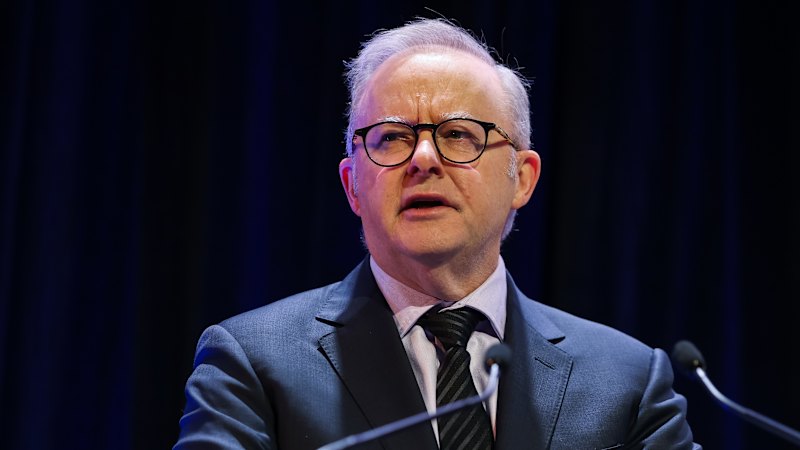
While international security concerns dominate the diplomatic landscape, the Australian government is shifting focus toward domestic technological policy. Prime Minister Anthony Albanese is scheduled to deliver a major speech detailing the federal government’s approach to artificial intelligence.
The address is expected to cover both the economic opportunities presented by AI and the necessary safeguards to protect citizens from automated risks. Cabinet ministers have signaled that the speech will likely touch upon the need for a national framework that balances rapid innovation with ethical oversight. This policy shift follows months of consultation with industry leaders, academic experts, and international counterparts regarding the rapid advancement of generative AI tools.
The government’s forthcoming strategy is anticipated to align with global efforts to standardize safety protocols for high-risk technologies. The Prime Minister’s office has confirmed that the speech will be delivered as part of a broader push to position Australia as a leader in responsible technology adoption within the Asia-Pacific region.
## Diplomatic and Security Outlook
The dual pressures of regional conflict in the Middle East and the domestic urgency of AI regulation represent a complex challenge for the current administration. While the U.S. continues to manage the fallout from the failed ceasefire, Australian officials are balancing their role as a key security partner in the Pacific with the need to address rapid technological shifts.
The Department of Defense has not provided a timeline for how long the increased naval presence in the Strait of Hormuz will remain in effect. Similarly, the federal government has yet to release the full legislative timeline for the AI measures expected to be announced in the Prime Minister’s speech. Both situations remain subject to ongoing diplomatic updates and internal policy reviews.