US THAAD Redeployment to Middle East Tests South Korea Alliance Trust
South Korea faces pressure to deploy naval forces to the Strait of Hormuz amidst United States missile defense redeployments. Instead of ships, lawmakers propose exporting defensive hardware. This strategy protects trade routes without compromising peninsula defense readiness. It balances alliance obligations with domestic security needs through innovative technological contribution.
The global security architecture is shifting beneath our feet. On March 26, 2026, the ripple effects of Washington’s decision to move Terminal High Altitude Area Defense systems from Seongju to the Middle East are still being felt in Seoul. This is not merely a logistical adjustment. It is a stress test for the alliance. Although the United States seeks strategic flexibility, South Korea confronts a dual challenge: maintaining deterrence against northern threats while supporting freedom of navigation in critical waterways thousands of miles away.
President Lee Jae-myung has acknowledged the reality of the situation. His administration cannot fully enforce opposition to the removal of assets already stationed on Korean soil. Yet, the demand for naval deployment in the Strait of Hormuz presents a different calculus. Sending warships risks direct entanglement in regional conflicts. It drains limited resources from the Indo-Pacific. Public opposition stands at over 60 percent. The solution lies not in retreat, but in innovation.
The Strategic Value of Hardware Over Hulls
Representative Jun-seok Lee has articulated a compelling alternative. South Korea can provide “iron” rather than personnel. This approach leverages the nation’s burgeoning status as a global arms supplier. Recent data from the Stockholm International Peace Research Institute confirms South Korea has become NATO’s second-largest weapons supplier. This industrial capacity can be redirected to secure maritime chokepoints without deploying sailors into harm’s way.
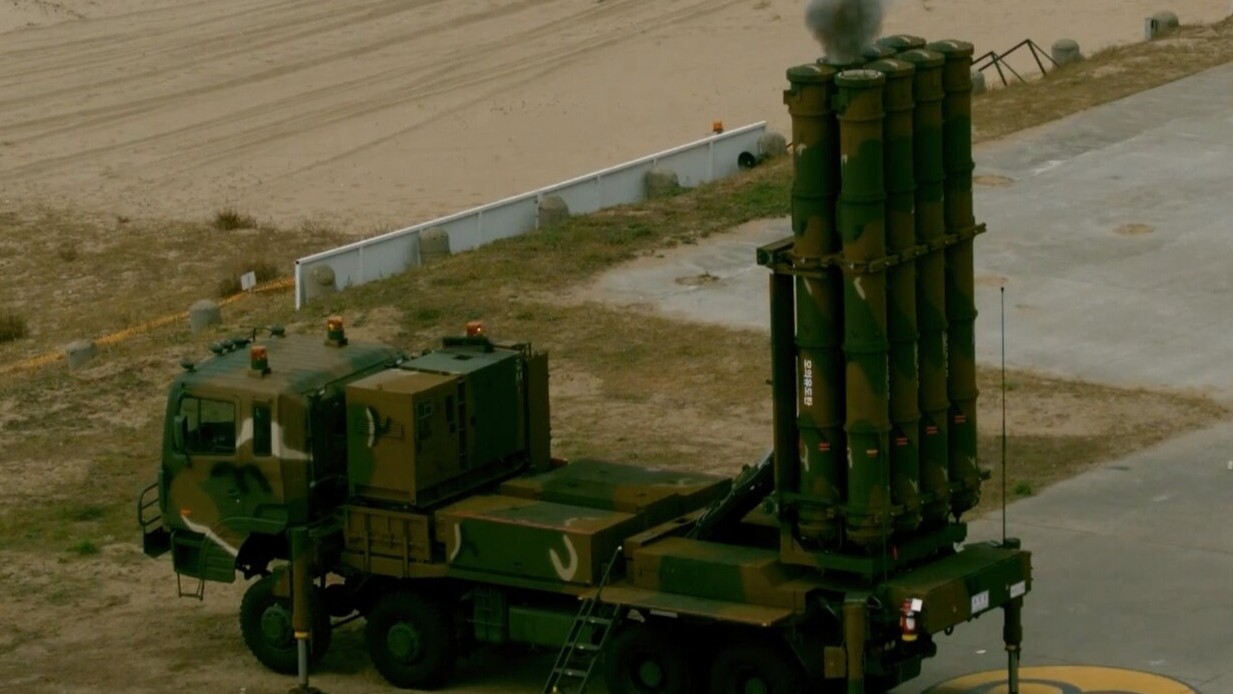
The proposed contribution focuses on scalable, defensive capabilities. Advanced surface-to-air missiles and directed-energy systems offer a sustainable counter to asymmetric threats. The Cheongung-II medium-range surface-to-air missile system has demonstrated near-perfect interception rates in recent Middle Eastern deployments. The Block-I laser system provides a revolutionary cost advantage. Interceptors cost millions. Lasers cost approximately $1.50 per shot.
“The cost-exchange ratio in modern naval defense is unsustainable. Directed energy offers a path to endurance that traditional munitions cannot match,” says Dr. Kim Dong-yub, a professor at Kyungnam University and frequent defense analyst.
This distinction matters. Low-cost drone threats currently force partners to expend million-dollar interceptors. Over time, this financial bleed compromises operational readiness. By supplying the hardware that enables persistent defense, South Korea strengthens the operational capacity of partners already present in the region. It protects a global public fine while maintaining a clear boundary between contribution and direct combat involvement.
Economic and Legal Implications for Trade
The stakes extend beyond military strategy. Two-thirds of South Korea’s oil imports pass via the Strait of Hormuz. Disruption here is not a hypothetical risk. It is an economic existential threat. Securing this route is paramount for national survival. However, the mechanism of security matters. Exporting defense systems involves complex regulatory frameworks. Navigating the penalties and compliance requirements is a logistical minefield.
Developers and defense contractors are consulting top-tier commercial real estate attorneys and trade compliance experts to shield their assets during this transition. The legal infrastructure supporting arms exports must be robust. It must account for international sanctions, end-user agreements, and regional stability clauses. Failure to comply can result in severe reputational and financial damage.
the relocation of THAAD assets impacts local infrastructure in Seongju. The site served as a critical node in the broader United States missile defense network. Information collected there supported early detection and tracking of missile threats. Any relocation carries implications for the alliance’s overall detection and response posture. Local communities bear the brunt of these strategic shifts. They require support from geopolitical risk consultants to understand the long-term economic impact on their regions.
Building a Sustainable Alliance Framework
Alliance trust is not sustained by requests alone. It requires reciprocity, and respect. If South Korea is expected to shoulder a greater responsibility for global security, then decisions that affect its own defense must be made as matters of joint determination. A consultation that functions as a courtesy notification is not a partnership. It is a signal of imbalance.
The following components define a sustainable path forward:
- Technology Transfer: Prioritize the export of defensive hardware over troop deployment to minimize personnel risk.
- Joint Consultation: Establish formal mechanisms for asset redeployment decisions, moving beyond courtesy notifications.
- Logistical Support: Provide maintenance and industrial support to partners securing the Strait of Hormuz.
- Legal Compliance: Engage specialized security logistics firms to manage the transport and deployment of sensitive defense systems.
In 2025, friction over immigration enforcement actions at a Hyundai facility in Georgia risked discouraging Korean investment in the United States. The two governments subsequently established the Korea-United States Visa Consultation Group. This created a mechanism to replace ad hoc crisis management with a predictable and professional dialogue. A similar framework is needed for defense asset management.
The recent authorization of high-resolution mapping data exports to Google demonstrates South Korea’s good faith. On March 12, the Korean National Assembly passed a landmark legislative package designed to facilitate $350 billion in Korean investment in the United States. These moves support supply-chain resilience in industries ranging from semiconductors to shipbuilding. They prove commitment. Now, the United States must reciprocate with genuine consultation.
A durable alliance is not one in which burdens are simply shifted. It is one in which they are shared with clarity, consultation, and strategic balance. As the situation in the Middle East evolves, the choices made in Seoul will resonate for decades. Security professionals and legal experts within our directory stand ready to assist organizations navigating these complex geopolitical shifts. The future of global stability depends on getting the details right.