US Supreme Court Alabama Redistricting Ruling and Trump’s Venezuela Proposal
The U.S. Supreme Court has issued a stay halting an order that would have required Alabama to implement a congressional map containing two largely Black districts. This judicial intervention pauses the immediate use of a redistricting plan intended to ensure fairer representation, potentially altering the state’s congressional landscape and reducing Black voting power ahead of the 2026 elections.
The decision marks a significant pivot in the ongoing legal battle over Alabama’s political boundaries, casting uncertainty over how the state’s congressional seats will be contested in the coming months. By halting the implementation of the map, the Court has cleared a path for the state to potentially utilize altered congressional maps that may not provide the same level of minority-majority representation previously mandated.
A Judicial Halt in Montgomery
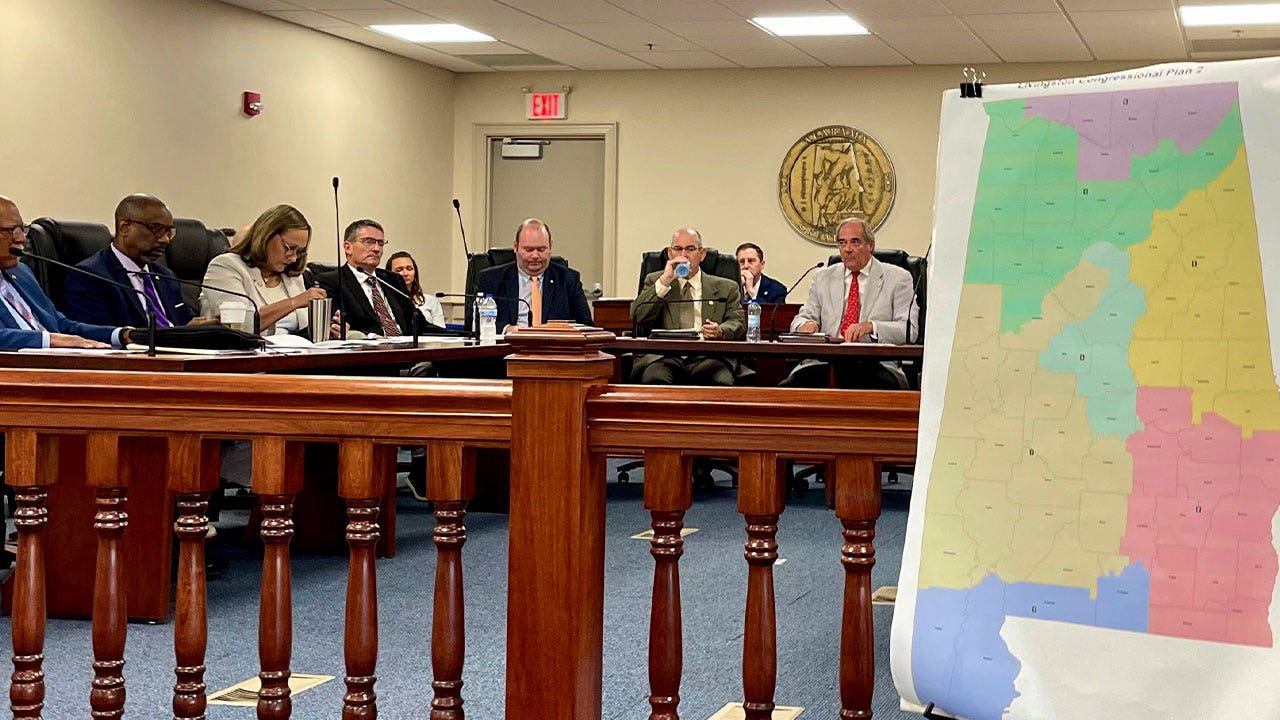
The tension surrounding Alabama’s political geography reached a fever pitch during a special session of the Alabama Legislature on Wednesday, May 6, 2026. During this session, the body moved forward with legislative actions, including votes on HB 1, a key redistricting bill. The sudden intervention by the U.S. Supreme Court has effectively disrupted the momentum of these legislative efforts, creating a legal vacuum between the state’s recent votes and the requirements of federal oversight.
For residents in Alabama, the implications are not merely academic. Redistricting dictates the very essence of political agency, determining which communities are grouped together and how much influence their collective vote carries in Washington, D.C. The halt specifically targets the requirement to maintain two districts that are largely Black, a measure designed to prevent the dilution of minority voting strength.
This legal maneuvering comes at a time when the state is preparing for a critical election cycle. The uncertainty regarding which maps will be in effect could lead to significant logistical challenges for election officials and voters alike.
The decision to halt the implementation of the two-district map has drawn sharp criticism from legal observers and dissenting voices within the court, who argue that such delays may undermine long-standing protections for minority representation.
Comparing the Redistricting Scenarios
The Supreme Court’s decision creates two vastly different futures for Alabama’s congressional representation. The following table outlines the potential outcomes depending on which map is ultimately adopted for the 2026 election cycle.

| Feature | Two-District Map (Halted) | Altered/Single-District Map (Potential) |
|---|---|---|
| Black Representation | Ensures two largely Black-majority districts. | Potential reduction to a single Black-majority district. |
| Voting Power | Protects minority voting strength under federal guidelines. | Risk of diluting minority influence across multiple districts. |
| Legal Standing | Aligned with recent mandates for fair representation. | Subject to further litigation and federal review. |
| Election Impact | Predictable boundaries for the 2026 cycle. | High uncertainty and potential for last-minute map changes. |
The Long-Term Impact on Representation
The core of the dispute lies in the interpretation of how districts should be drawn to respect the demographic realities of the state. When a court order is vacated or halted, the immediate result is often a return to the status quo or the implementation of maps that favor the majority party’s ability to consolidate power.
If the state successfully implements altered maps, the reduction in Black-majority districts could have a generational impact on the political makeup of the Alabama delegation. This isn’t just about a single election; it is about the structural ability of specific communities to elect candidates of their choice.
As this situation evolves, the legal and civic landscape in Alabama will become increasingly complex. Organizations dedicated to protecting the integrity of the vote will likely be forced to escalate their efforts. Navigating these shifting legal requirements is a monumental task for local governments. For community groups and political stakeholders, securing guidance from civil rights litigation experts or specialized election law attorneys is becoming an essential strategy to shield their interests and ensure that voting rights are not sidelined by procedural delays.
Key Implications for the 2026 Cycle:
- Increased Litigation: Expect a surge in legal challenges as advocacy groups react to the Supreme Court’s stay.
- Administrative Strain: Local election boards in Montgomery and surrounding jurisdictions may face confusion regarding district boundaries.
- Voter Engagement: Uncertainty regarding maps can lead to decreased voter confidence and engagement in marginalized communities.
- Legislative Volatility: The Alabama Legislature may face renewed pressure to pass emergency redistricting measures.
The intersection of state legislative authority and federal judicial oversight has never been more fraught. The Supreme Court’s move has effectively transferred the battleground from the halls of the Alabama Statehouse to the higher courts, leaving the state’s voters in a state of legislative limbo.

As the dust settles on this latest judicial maneuver, the focus shifts to how the 2026 elections will proceed under a cloud of map uncertainty. Whether this decision results in a permanent shift in representation or a temporary delay in justice remains to be seen. For those navigating the complexities of this changing political landscape, finding verified legal professionals and civic advisors through the World Today News Directory will be critical to understanding and responding to these developing constitutional shifts.