US-Sanctioned Tankers Pass Strategic Strait After Leaving Iran
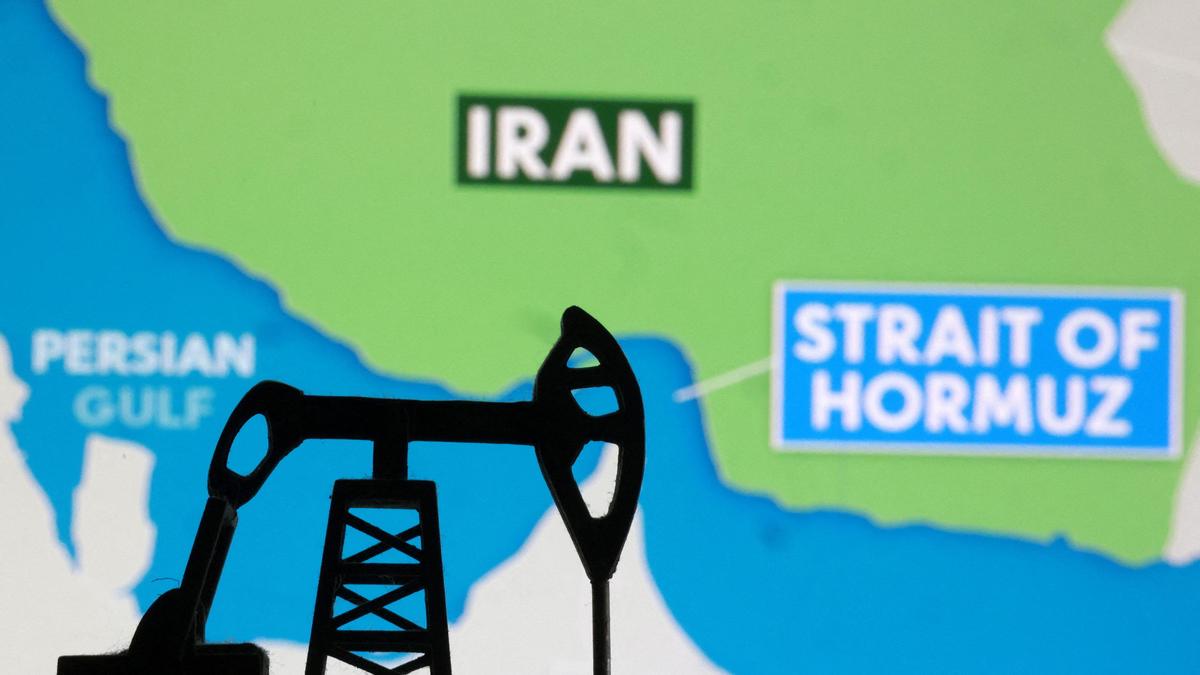
On April 15, 2026, three Iranian oil tankers — the Deep Sea, Sonia I, and Diona — loaded with crude from Kharg Island in early April became the first sanctioned vessels to transit the Strait of Hormuz since the U.S. Reimposed a comprehensive blockade on Iranian petroleum exports in January 2026, according to maritime analytics firm Kpler. This movement signals a critical test of enforcement mechanisms and raises urgent questions about the efficacy of secondary sanctions, the resilience of Iran’s shadow fleet, and the growing strain on global energy chokepoints as geopolitical tensions in the Gulf enter a new phase of brinkmanship.
The problem is clear: when sanctioned oil flows through vital maritime corridors, it undermines international pressure campaigns, fuels illicit revenue streams for regimes under sanction, and forces allied navies into costly, legally ambiguous interdiction operations. For shipping insurers, port authorities, and energy traders, this creates acute liability exposure — any vessel caught facilitating sanctions evasion risks seizure, blacklisting, or exclusion from major registries like the Panama or Liberian flags. The solution lies not just in naval patrols, but in specialized expertise: maritime lawyers who understand flag-state jurisdiction, sanctions compliance officers who can trace beneficial ownership, and port state control inspectors trained to detect deceptive shipping practices.
The Deep Sea, Sonia I, and Diona all departed Iran’s Kharg Island terminal between April 2 and April 9, carrying an estimated 2 million barrels of crude collectively, according to satellite tracking and AIS data cross-referenced by Kpler. Each vessel is registered under flags of convenience — Panama and the Marshall Islands — and has undergone multiple recent ownership and name changes, a hallmark of Iran’s evolving sanctions-evasion toolkit. What makes this transit particularly significant is timing: it occurred just days after the U.S. Treasury’s Office of Foreign Assets Control (OFAC) issued Guidance 2026-04, warning that any vessel loading Iranian crude after March 1, 2026, would be subject to blocking sanctions regardless of subsequent re-flagging or cargo transfers.
Yet despite the warning, the tankers turned west through the Strait of Hormuz on April 15, entering the Arabian Sea en route to undisclosed destinations — likely ship-to-ship transfers off the coast of the UAE or eastern Africa, where crude is blended and rebranded to obscure its origin. This pattern mirrors tactics seen during the 2018–2020 sanctions regime, but with increased sophistication: use of dark AIS, falsified port calls, and intermediaries in jurisdictions with weak beneficial ownership disclosure, such as the Seychelles and Vanuatu.
The regional impact is already being felt in Fujairah, the UAE’s primary bunkering hub, where port officials report a 40% increase in unsolicited offers for ship-to-ship transfer services since April 1, according to confidential briefings obtained by World Today News. Local maritime lawyers note a surge in inquiries from shipowners seeking legal opinions on “innocent passage” claims under UNCLOS Article 19, arguing that transit through territorial waters does not constitute sanctions violation if cargo remains unchanged.
“Just because a ship turns off its transponder doesn’t mean it disappears from legal accountability. Flag states still bear responsibility for vessels under their registry, and port states have the right to deny entry based on known sanctions evasion — even if the oil isn’t offloaded.”
In Singapore, the world’s largest bunkering port, authorities have begun cross-referencing AIS gaps with port state control inspections under the amended Maritime Security Act 2025, which now allows detention of vessels suspected of sanctions busting based on circumstantial evidence. Meanwhile, in Athens — a historic hub for Greek-owned tankers — the Union of Greek Shipowners has issued internal advisories urging members to avoid any charter involving Iranian origin cargo after March 1, citing heightened risk of secondary sanctions under Executive Order 14071, which expanded liability to include insurers, financiers, and service providers.
The economic ripple extends beyond the Gulf. Indian refiners, traditionally major buyers of Iranian crude, have publicly denied purchases but private trading sources indicate increased interest in “Malaysian blend” or “UAE-sourced” grades with chemical signatures matching Iranian light sweet — a telltale sign of laundering. Chinese independent refiners, already operating under waivers that expired in late 2025, are reportedly using third-country intermediaries in Sri Lanka and Bangladesh to facilitate indirect purchases, creating a layered sanctions evasion network that complicates interdiction efforts.
Historically, the effectiveness of oil sanctions has hinged not on naval blockades alone, but on financial choke points: access to SWIFT, dollar clearing, and insurance from P&I Clubs. The 2012–2016 EU and U.S. Sanctions regime succeeded in part because it severed Iran’s access to European maritime insurance — without which, tankers could not legally operate. Today, Iran’s shadow fleet relies increasingly on Russian and Indian P&I alternatives, as well as self-insurance through captive entities in Lebanon and Venezuela — a development that reduces leverage for traditional pressure points.
For global energy markets, the immediate impact is muted: Brent crude traded at $84.20 per barrel on April 16, largely unchanged from pre-transit levels, suggesting markets have priced in a degree of sanctions leakage. But the strategic concern is longer-term: if Iran can sustain even 300,000 barrels per day of clandestine exports, it gains vital hard currency to fund proxy groups, missile programs, and cyber operations — precisely what the sanctions aim to prevent.
This is where civic and professional infrastructure becomes critical. Port communities need vessel traffic monitoring specialists who can partner with coastal authorities to detect anomalous behavior in real time. Legal teams require sanctions defense attorneys with expertise in OFAC secondary penalties and UNCLOS navigational rights to advise clients navigating gray zones. And energy traders demand enhanced due diligence platforms that integrate satellite intelligence, AIS history, and beneficial ownership graphs to prevent inadvertent complicity.
The editorial kicker: sanctions are only as strong as the weakest link in the enforcement chain — and right now, that link is not in the Strait of Hormuz, but in the back offices of registrars, the opacity of corporate veils, and the hesitation of allies to act on imperfect intelligence. Until we close those gaps, every tanker that slips through is not just a violation — it’s a signal that the rules are bendable. For those tasked with upholding them, the World Today News Directory remains the essential tool to find the verified professionals who turn policy into practice.