US, Russia, China to Block Autonomous Weapons Ban at CCW Conference
Major military powers, led by the United States, Russia, and China, are expected to block efforts to initiate a global ban on lethal autonomous weapons at the seventh Review Conference of the Convention on Certain Conventional Weapons (CCW) in Geneva, following deliberations that concluded on November 20.
Stalled Negotiations at the Geneva Review Conference
The conference, which brings together 128 states, serves as a critical juncture for deciding the future of international governance regarding weapons systems that select and engage targets without human intervention. While more than 70 nations are prepared to begin formal negotiations on a binding protocol to prohibit these weapons, the CCW operates on the principle of unanimity, meaning a single state can effectively halt progress.
The current impasse reflects a deep divide between a coalition of 50 nations—including Ireland, Germany, and France—that called on October 22 for a strict negotiating mandate, and major military powers that favor maintaining the status quo. The United States has proposed a five-year mandate to further investigate the application of existing international humanitarian law, a move critics characterize as delaying substantive action until 2031, Reuters reported via US News.

Strategic Priorities and Legal Challenges
The opposition from large military powers is rooted in concerns over strategic parity and the definition of defensive systems. “Supporters of a ban want to stop weapons that select and attack targets in ways their operators cannot predict or control. Meanwhile, states that operate defensive systems that react faster than any human can, such as systems protecting warships against incoming missiles automatically, do not want to see these prohibited,” Aurel Sari at the University of Exeter said.
“None of the major powers wants an agreement that would hand its rivals an advantage on the battlefield,” Sari told New Scientist.
The debate centers on the unpredictable nature of AI-assisted systems, which are increasingly appearing in conflicts across Ukraine, Sudan, and the Middle East. While some states argue that existing laws regarding excessive collateral damage and precautions to spare civilians are sufficient, campaigners emphasize that current frameworks fail to address the specific moral and legal risks posed by machines making lethal decisions.
“Machines shouldn’t make life and death decisions. Tasking weapons systems or algorithms to identify targets and kill people is just a moral red line we shouldn’t be crossing,” said Elizabeth Minor of the pressure group Stop Killer Robots.
| Proposal Group | Stance on Autonomous Weapons | Proposed Timeline |
|---|---|---|
| Ireland-led Coalition | Support for legally binding instrument | Negotiations in 2027 |
| United States | Favor guidelines over binding rules | Review until 2031 |
| Convention Chair (Peru) | Propose protocol negotiations | Completion within two years |
Accountability and the Future of Warfare
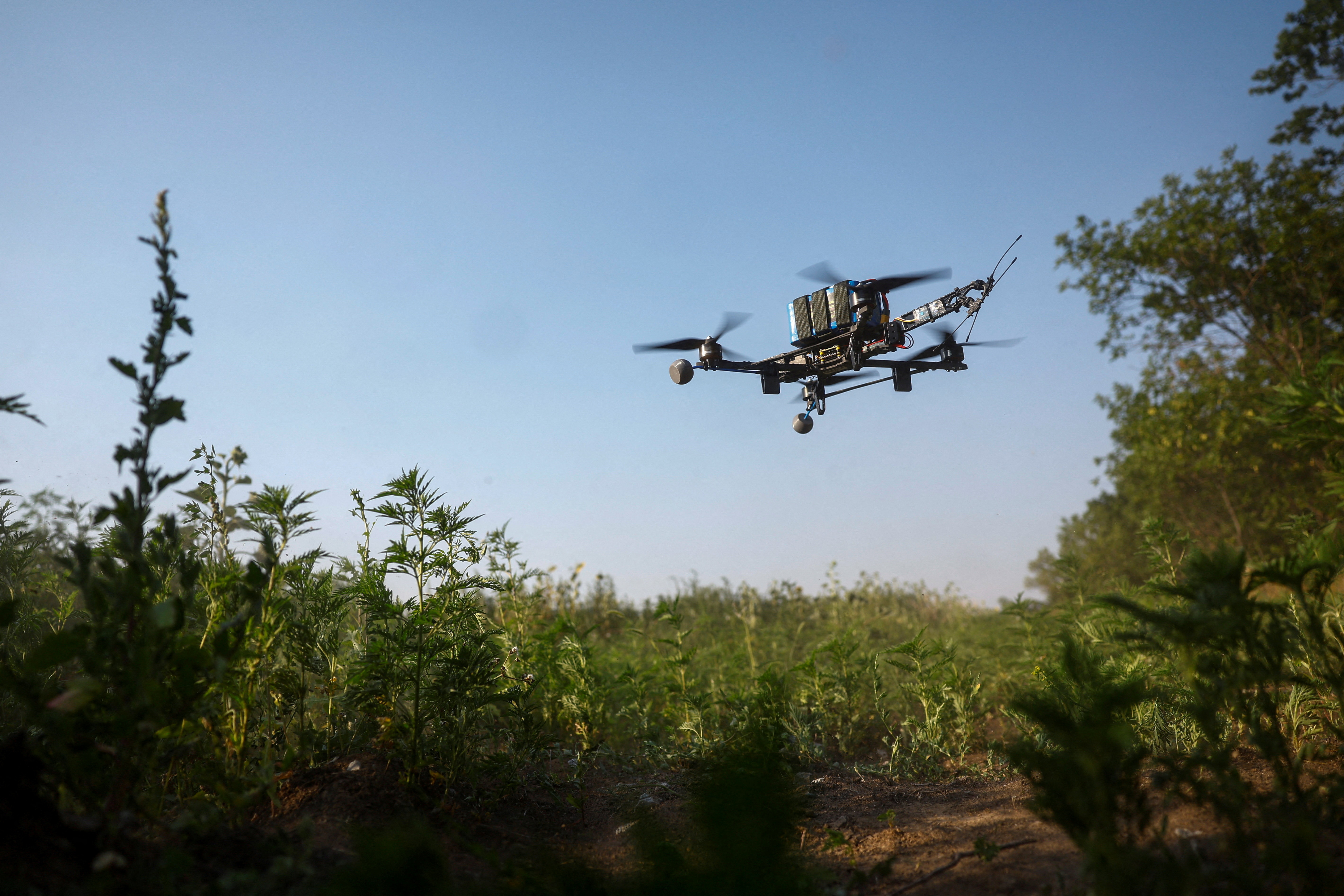
The urgency of the debate is underscored by reports of autonomous systems already in use. Earlier this year, a senior figure in the Ukrainian defense industry confirmed to New Scientist that an autonomous drone test resulted in two deaths.
This development has prompted international calls for immediate regulation. Pope Leo XIV recently urged states in Geneva to ensure that decisions affecting human life remain under “effective, informed and responsible human oversight,” as noted by The Guardian.
Geneva, where the Rhône leaves Lake Geneva in southwestern Switzerland, has served as a hub for international diplomacy since hosting the League of Nations after World War I. It holds the headquarters of the International Committee of the Red Cross and the highest number of international organisations worldwide, a concentration that led to the signing of the Geneva Conventions on humanitarian treatment in war and earned it the designation “Peace Capital.”
As the conference concludes, the prospect of a deadlock remains high, with some observers suggesting that supporters of a ban may eventually look to bypass the CCW entirely by moving the issue to the United Nations General Assembly.
In that forum, a simple majority could potentially initiate the treaty negotiations that the current unanimity-based process has failed to secure. “I wouldn’t say that we’re too late to make rules. You can do this at any point,” Minor told New Scientist.
