US-Iran War Live Updates: Iran Seizes Two Ships in Strait of Hormuz as Trump Awaits Islamic Republic’s Unified Proposal After Ceasefire Extension
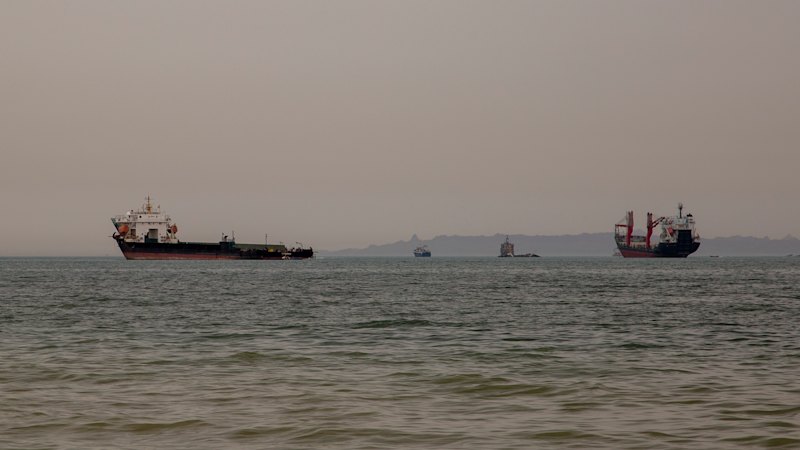
On April 23, 2026, Iranian naval forces seized two commercial vessels in the Strait of Hormuz as President Trump awaited a unified ceasefire proposal from Tehran, escalating tensions in the critical global oil chokepoint amid stalled diplomacy and raising urgent questions about maritime security, energy supply chains, and the legal recourse available to affected shipping companies, and insurers.
The Strait Under Siege: A Flashpoint Rekindled
The seizure occurred at approximately 03:15 GMT near Qeshm Island, when Iranian Revolutionary Guard Corps (IRGC) speedboats intercepted the Marshall Islands-flagged oil tanker Advantage Sweet and the Panamanian bulk carrier Ever Green, according to maritime tracking data from Lloyd’s List Intelligence. Both vessels were transiting southbound through the Strait’s traffic separation scheme when forced to anchor off Hormuz Island. This marks the first direct Iranian seizure of commercial shipping since the 2019 Stena Impero incident, though unlike that episode—which followed the UK’s detention of an Iranian supertanker near Gibraltar—today’s action appears unprovoked by any recent interdiction. The timing coincides with the extension of a UN-mediated ceasefire in Yemen, which Iran backs via Houthi allies, suggesting Tehran may be leveraging maritime pressure to extract concessions in unrelated negotiations.
Global oil markets reacted sharply, with Brent crude futures spiking 4.2% to $89.70 per barrel before stabilizing as traders assessed whether the seizures signaled a broader blockade or isolated coercion. Approximately 20% of global oil supply flows through the Strait of Hormuz, making it the world’s most critical energy chokepoint. Disruptions here reverberate through refining hubs from Rotterdam to Singapore, impacting fuel prices for consumers and industries worldwide.
Diplomatic Stalemate and the Trump Calculation
President Trump, speaking from Palm Beach at 04:00 EST, confirmed he was awaiting a “unified proposal” from Iran’s leadership after earlier signaling openness to renegotiating the JCPOA framework. “They know what they need to do,” Trump stated, referencing demands for verifiable limits on uranium enrichment and ballistic missile development. However, Iranian Foreign Minister Abbas Araghchi countered in a televised address that Tehran would not negotiate under duress, framing the seizures as a “legitimate exercise of sovereignty” against vessels allegedly violating Iranian territorial waters—a claim disputed by the ship operators and flag states.

The absence of a coherent U.S. Strategy has left regional allies uneasy. Saudi Arabia’s energy minister called for “immediate de-escalation to protect global energy security,” while the UAE’s Federal Transport Authority issued an advisory urging vessels to maintain heightened vigilance but stopped short of rerouting recommendations. Oman, which often mediates backchannel talks between Washington and Tehran, confirmed it had received no formal request for assistance as of 05:00 GMT.
Economic Ripple Effects: From Dubai Dockyards to Houston Refineries
Beyond immediate safety concerns, the seizures threaten to disrupt complex just-in-time logistics networks. Dubai’s Jebel Ali Port, the world’s largest man-made harbor and a key transshipment hub for Gulf-bound goods, reported a 15% increase in container dwell times as shipping lines reassessed risk exposure. In Houston, refiners processing Middle Eastern crude warned of potential delays in exceptionally large crude carrier (VLCC) arrivals, which could tighten Gulf Coast gasoline supplies ahead of the summer driving season.
Insurance markets are already responding. Lloyd’s of London reported a surge in inquiries about war risk premiums for vessels operating in the Gulf of Oman, with some underwriters quoting additional costs of up to 0.75% of vessel value for transit coverage. Shipowners are now scrutinizing crew training protocols and emergency response plans, particularly regarding piracy and armed robbery scenarios covered under the International Ship and Port Facility Security (ISPS) Code.
“When a state actor interferes with innocent passage, it triggers not just safety concerns but a cascade of legal liabilities—from cargo claims under the Hague-Visby Rules to potential disputes over general average contributions. Affected parties need counsel versed in both admiralty law and international sanctions frameworks immediately.”
The Directory Bridge: Finding Expertise in Crisis
For shipping companies facing detention, cargo owners confronting delayed deliveries, or insurers assessing exposure, the immediate priority is securing expert guidance. Navigating flag state disputes, potential litigation in English commercial courts, or negotiations with Iranian intermediaries requires specialized knowledge. Firms are turning to maritime law attorneys with expertise in UNCLOS Article 19 violations and sovereign immunity defenses, while simultaneously consulting cargo insurance adjusters to quantify business interruption losses and supply chain resilience consultants to reroute shipments via alternative corridors such as the Suez Canal or Northern Sea Route.

Local impacts are also emerging. In Bandar Abbas, Iran’s primary port city, officials reported temporary congestion as naval vessels redirected to support the seizure operation, affecting civilian ferry schedules to Qeshm and Larak islands. Municipal authorities in Sharjah, UAE, noted increased inquiries from free zone companies about contingency planning, prompting the emirate’s Chamber of Commerce to host an emergency briefing on trade finance instruments like letters of credit under UCP 600 rules during crises.
Historical Echoes and Forward Vigilance
Historically, Hormuz seizures have preceded broader confrontations. The 1987–1988 Tanker War saw both Iran and Iraq target commercial shipping, prompting Operation Earnest Will—the largest U.S. Naval convoy effort since World War II. While today’s actions remain limited in scale, analysts at the International Institute for Strategic Studies warn that repeated incidents could erode the threshold for military intervention, particularly if U.S.-flagged or allied vessels become targets.
The long-term resilience of global energy markets depends on diversifying transit routes and strengthening diplomatic conflict resolution mechanisms. Until then, the Strait remains a barometer of regional tension—where a single vessel’s deviation from course can ignite a crisis with worldwide repercussions.
In moments like this, the value of verified, local expertise cannot be overstated. Whether you are a shipmaster seeking legal counsel, an insurer evaluating exposure, or a logistics manager rerouting cargo, the World Today News Directory connects you with the professionals who understand not just the law, but the lived reality of operating in volatile waters. Because when the Strait tightens, the right advisor doesn’t just parse regulations—they support you navigate the human consequences behind them.