
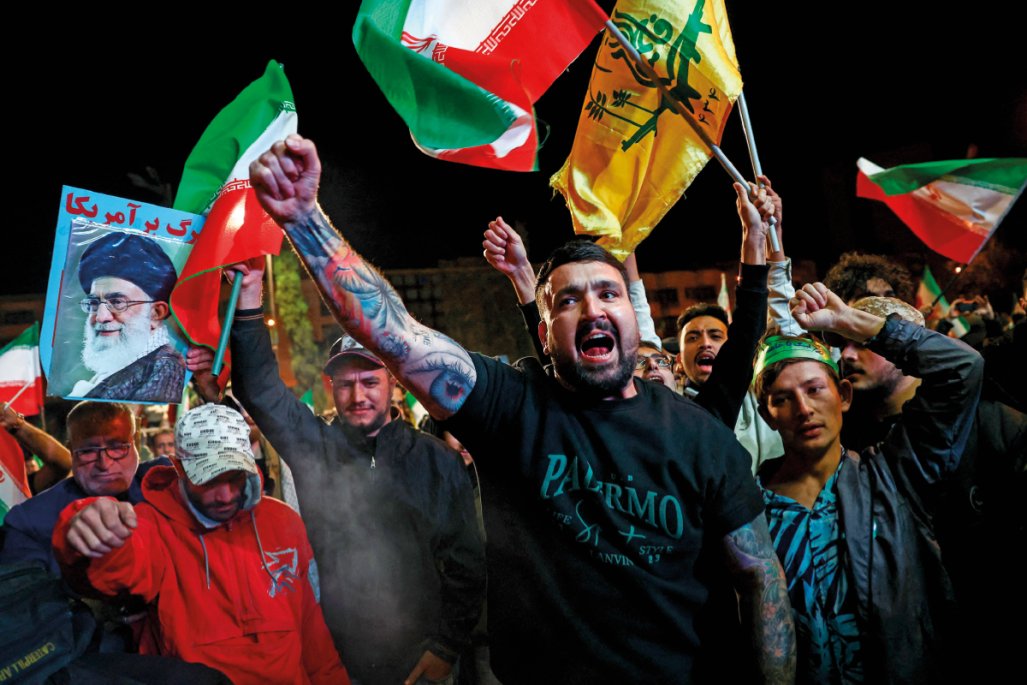
US-Iran Two-Week Ceasefire and Strait of Hormuz Reopening
The United States and Iran have agreed to a fragile two-week ceasefire and the immediate reopening of the Strait of Hormuz as of April 8, 2026. This strategic pause, brokered by the Trump administration, aims to stabilize global oil markets and prevent a full-scale regional war in the Middle East.
The world has been holding its breath. For weeks, the Strait of Hormuz—the most critical oil transit chokepoint on the planet—has been a flashpoint for potential global economic collapse. A closure there doesn’t just affect tankers; it sends a shockwave through every gas station in Ohio and every manufacturing plant in Bavaria. This ceasefire is a pressure valve, but the tension remains palpable.
The problem is simple: stability is currently being traded for time. While the immediate threat of kinetic warfare has receded, the underlying geopolitical friction between Washington and Tehran remains unresolved. For businesses and investors, this “victory” is a temporary reprieve that creates a dangerous vacuum of uncertainty.
The Strategic Gamble of the Fourteen-Day Window
President Trump has framed this agreement as the dawn of a “golden age” for the Middle East, but the reality on the ground is far more precarious. By conditioning the ceasefire on the immediate reopening of the Strait, the U.S. Has prioritized the flow of hydrocarbons over a permanent diplomatic settlement. This is a high-stakes game of brinkmanship where the prize is global market stability and the risk is a sudden, violent return to hostilities once the clock runs out.
The Strait of Hormuz is not just a waterway; it is a geopolitical lever. With roughly one-fifth of the world’s total oil consumption passing through this narrow corridor, any disruption triggers an immediate spike in Brent Crude prices. This volatility forces companies to scramble for specialized supply chain auditors to mitigate the risk of sudden fuel price surges and shipping delays.
“We are witnessing a ‘transactional peace.’ This isn’t a treaty; it’s a lease on stability. The danger lies in the assumption that a two-week pause creates a permanent shift in behavior. In reality, it may simply be a period of tactical realignment for both powers.”
The economic ripples are already hitting municipal levels. Port cities and regional hubs that rely on steady energy imports are seeing a temporary dip in insurance premiums for maritime cargo, but the long-term outlook remains clouded. Local governments are now tasked with updating their energy contingency plans to avoid the chaos seen during previous energy crises.
The Macro-Economic Fallout and the ‘Trump Doctrine’
To understand the gravity of this pact, one must gaze at the historical context of U.S.-Iran relations. From the 2018 withdrawal from the JCPOA to the “maximum pressure” campaigns, the relationship has been defined by volatility. This current ceasefire is a pivot toward a more aggressive, deal-based diplomacy. However, the “cost” mentioned by critics is the potential erosion of long-term diplomatic norms in favor of short-term wins.
The immediate impact can be broken down into three primary sectors:
- Energy Markets: Immediate relief for oil futures, though volatility remains high as traders bet on whether the ceasefire will be extended.
- Maritime Insurance: A temporary decrease in “War Risk” premiums for vessels transiting the Gulf, though underwriters remain cautious.
- Global Trade: A slight stabilization in the cost of goods sold (COGS) for industries dependent on petroleum-based plastics and chemicals.
For corporations navigating these turbulent waters, the legal implications of “Force Majeure” clauses in shipping contracts are becoming a primary concern. Many are now engaging international trade attorneys to rewrite their contracts to account for the recurring instability of the Hormuz corridor.
Analyzing the Fragility of the Agreement
The agreement is an exercise in extreme risk. If Iran fails to maintain the openness of the Strait, or if the U.S. Resumes strikes prematurely, the resulting escalation would likely bypass a two-week window and move straight into a protracted conflict. This uncertainty makes it nearly impossible for long-term infrastructure projects in the region to secure funding.
The following table outlines the immediate shifts resulting from the April 8th announcement:
| Metric | Pre-Ceasefire Status | Post-Agreement Status (April 8) | Long-term Outlook |
|---|---|---|---|
| Hormuz Traffic | Severely Restricted | Immediate Reopening | High Volatility |
| Oil Price Trend | Aggressive Bull Market | Short-term Correction | Dependent on Diplomacy |
| U.S. Military Posture | High Alert / Offensive | Tactical Pause | Strategic Ambiguity |
The geopolitical stakes extend beyond the Gulf. The Associated Press has highlighted the intricate dance of diplomacy required to keep such a deal afloat. Similarly, data from the U.S. Department of State suggests that regional allies in the UAE and Saudi Arabia are watching with a mixture of relief and deep suspicion.
The Local Impact: From Ports to Boardrooms
While the headlines focus on Trump and Tehran, the real impact is felt in the boardroom of every mid-sized manufacturing firm. When the Strait of Hormuz is threatened, the cost of everything—from raw polymers to shipping containers—climbs. This creates a ripple effect that hits local municipal budgets, as the cost of road salt, asphalt, and public transit fuel fluctuates wildly.
In cities like Singapore, Rotterdam, and Houston, the “Hormuz Effect” is a known variable in urban planning. When stability is this fragile, city managers often seek out certified risk management specialists to develop “energy shock” buffers that protect local businesses from sudden price spikes.
“The immediate reopening of the Strait is a victory for the global economy, but a strategic enigma for regional security. We are essentially betting that the desire for economic normalcy outweighs the ideological drive for conflict.”
This is the paradox of the current moment: the world is breathing a sigh of relief, yet the conditions that led to the crisis have not been dismantled. They have merely been paused.
As we move forward from this April 8th milestone, the question is no longer whether the Strait is open, but for how long. The “Golden Age” promised by the administration requires more than a fourteen-day truce; it requires a fundamental restructuring of Middle Eastern diplomacy. Until that happens, the world remains one misunderstanding away from another crisis. For those tasked with protecting assets and ensuring continuity in this volatile climate, the only real strategy is preparation. Finding verified, experienced professionals through the World Today News Directory is the only way to ensure your organization isn’t caught off guard when the clock finally hits zero.