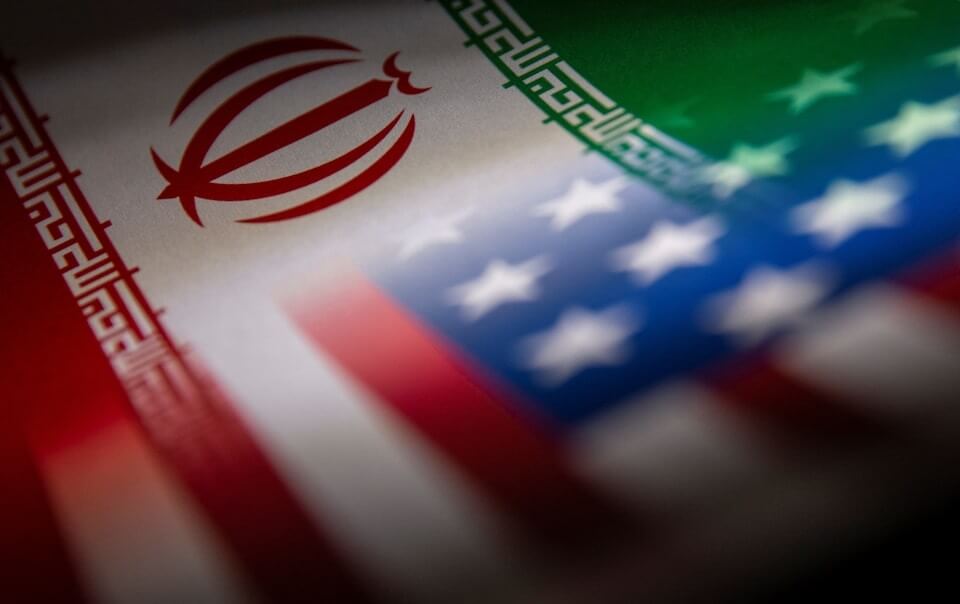
US-Iran Tension: Dramatic Pilot Rescue and Uranium Theft Allegations
On April 6, 2026, tensions between Washington and Tehran escalated following a high-stakes U.S. Military rescue operation in Iran. While the U.S. Claims to have recovered a downed F-15E pilot, Tehran alleges the mission was a “Trojan Horse” cover for a clandestine operation to steal highly enriched uranium.
This is not a simple rescue mission. It is a collision of two divergent strategic narratives. In the Middle East, the line between a humanitarian extraction and a strategic heist is thinner than a razor’s edge. When the U.S. Military operates deep within Iranian airspace, the global markets don’t just watch the news—they price in the risk of a regional contagion.
The immediate fallout is a paralysis of diplomatic trust. With ceasefire negotiations already teetering on the edge of collapse, this incident serves as a catalyst for “maximum pressure” tactics. If the Iranian regime perceives a breach of its nuclear sovereignty, the incentive to adhere to any international framework evaporates.
The “Trojan Horse” Theory: Nuclear Intelligence vs. Pilot Recovery
The operational specifics are jarring. Reports indicate the use of “Black Hawk” and “Little Bird” helicopters—assets designed for rapid insertion and extraction—to retrieve an F-15E pilot who had been transmitting distress signals. However, the Iranian government asserts that the rescue was a diversion. Their claim: the U.S. Utilized the chaos of a search-and-rescue (SAR) mission to penetrate a sensitive nuclear site and extract samples of enriched uranium.
This accusation transforms a tactical military event into a strategic crisis. If the U.S. Did indeed seize nuclear material, it gains unprecedented leverage in the International Atomic Energy Agency (IAEA), potentially providing the “smoking gun” needed to trigger snap-back sanctions.
The risk for global enterprise is immediate. Any escalation toward a direct kinetic conflict in the Persian Gulf threatens the Strait of Hormuz, a chokepoint through which roughly one-fifth of the world’s oil passes. For multinational corporations, this volatility necessitates an immediate pivot toward global risk consultants who can model the impact of a sudden maritime blockade on just-in-time supply chains.
“The danger here is the ‘security dilemma.’ When the U.S. Takes a defensive action—like rescuing a pilot—Iran interprets it as an offensive probe. In such an environment, miscalculation is not a possibility. it is a probability.”
— Dr. Arash Salehi, Senior Fellow for Middle Eastern Security Studies
The Macro-Economic Fallout: Energy Volatility and Sanctions
Geopolitics is the art of managing geography and power, and in this case, the geography is the oil corridor. The market is currently reacting to the “Trumpian” approach of extreme pressure combined with unpredictable military incursions. We are seeing a shift where traditional diplomatic channels are bypassed in favor of “shock and awe” intelligence operations.
The economic ripples extend beyond oil. As the U.S. Tightens the screws on Tehran, Iran is forced deeper into the orbit of the “shadow economy,” utilizing complex barter systems and cryptocurrency to bypass the SWIFT network. This creates a legal minefield for international firms. Companies operating in the region are now urgently seeking international trade lawyers to ensure their compliance frameworks can withstand the volatility of shifting U.S. Treasury sanctions.
Strategic Comparison: Escalation Dynamics
| Factor | U.S. Perspective (The Rescue) | Iranian Perspective (The Heist) | Global Market Impact |
|---|---|---|---|
| Primary Objective | Personnel Recovery (SAR) | Nuclear Sabotage / Theft | Increased Brent Crude Volatility |
| Diplomatic Stance | Operational Necessity | Violation of Sovereignty | Deterioration of IAEA Trust |
| Risk Profile | Tactical Loss of Life | Strategic Loss of Deterrence | FDI Flight from Gulf Region |
One sentence defines the current state of affairs: Power is being exerted through plausible deniability.
The Long-Term Ripple: A New Era of “Grey Zone” Warfare
This incident marks a transition into a more aggressive phase of “Grey Zone” warfare—operations that stay below the threshold of open war but achieve strategic goals. By blending a rescue mission with potential intelligence gathering, the U.S. Is testing the limits of Iranian tolerance. Conversely, by framing the event as a “scam” to steal uranium, Iran is signaling to its domestic audience and regional allies that the West is no longer a reliable negotiating partner.
The geopolitical center of gravity is shifting. As the U.S. Focuses on these high-stakes incursions, the vacuum in regional diplomacy is being filled by opportunistic actors. We are seeing a realignment where global commodity markets are no longer just reacting to production quotas, but to the specific altitude of a rescue helicopter over Isfahan.
For the B2B sector, this means the “standard” insurance policy is dead. Marine insurance premiums for the Gulf are spiking. Logistics firms are now forced to integrate specialized security logistics providers to safeguard shipments against state-sponsored interdiction or “accidental” seizures during military escalations.
“We are moving away from the era of the ‘Grand Bargain’ and into the era of ‘Surgical Attrition.’ The goal is no longer a comprehensive treaty, but the systematic degradation of the opponent’s strategic assets.”
— Marcus Thorne, Geopolitical Strategist at the Atlantic Council
The Final Chess Move
Whether the U.S. Mission was a genuine rescue or a sophisticated intelligence operation is almost secondary to the result: the total erosion of the “ceasefire” facade. The world is witnessing a return to a raw power dynamic where borders are not lines on a map, but battlegrounds for intelligence.
As we move further into 2026, the ability to navigate this chaos will separate the resilient firms from the casualties. The complexity of the current Middle Eastern theater requires more than just a news feed; it requires a network of vetted experts. From the legal intricacies of sanctions evasion to the tactical realities of secure logistics, the tools for survival are found in the precision of your partnerships. The global chessboard has shifted; ensure your consultants are playing the same game.
For those managing cross-border assets in high-risk zones, the World Today News Directory remains the definitive resource for connecting with the legal, financial, and security architects capable of insulating your operations from the fallout of the next geopolitical shock.