
US-Iran Talks: Are They Really Happening? | Analysis
President Donald Trump asserted Monday that the United States and Iran are engaged in “very good and productive conversations” regarding a resolution to the ongoing conflict, a claim swiftly denied by senior Iranian officials. The conflicting statements come as the US-Israeli war against Iran enters its fourth week, with continued attacks on Iranian territory and escalating tensions in the critical Strait of Hormuz.
Mohammad Bagher Ghalibaf, Speaker of the Iranian Parliament, stated unequivocally on social media that “no negotiations have been held with the US,” characterizing reports of talks as “fakenews” used to manipulate financial and oil markets and to deflect from what he described as a difficult situation for the US and Israel. Iranian Foreign Ministry spokesman Esmaeil Baghaei echoed this denial, acknowledging receipt of messages from “friendly countries” regarding a US request for negotiations, but insisting that no direct discussions were taking place.
Trump’s announcement, delivered via social media, followed a threat to “obliterate” Iranian power plants if Tehran did not reopen the Strait of Hormuz, a vital waterway for global oil and gas supplies. He subsequently stated the US would postpone strikes on Iranian energy infrastructure for five days while talks progressed. This shift led to a decline in crude oil prices, according to reports.
The denials from Tehran contrast with Trump’s optimistic assessment and raise questions about the nature of any communication that may be occurring. Reports suggest preliminary calls have taken place between Iranian Foreign Minister Abbas Araghchi and US envoy Steve Witkoff, but these are described as exploratory and far from substantive. Several nations, including Pakistan, Turkey, and Egypt, are reportedly involved in efforts to de-escalate the crisis, leveraging their relationships with both Trump and Arab leaders. Oman, traditionally a trusted mediator with Iran, is too playing a role.
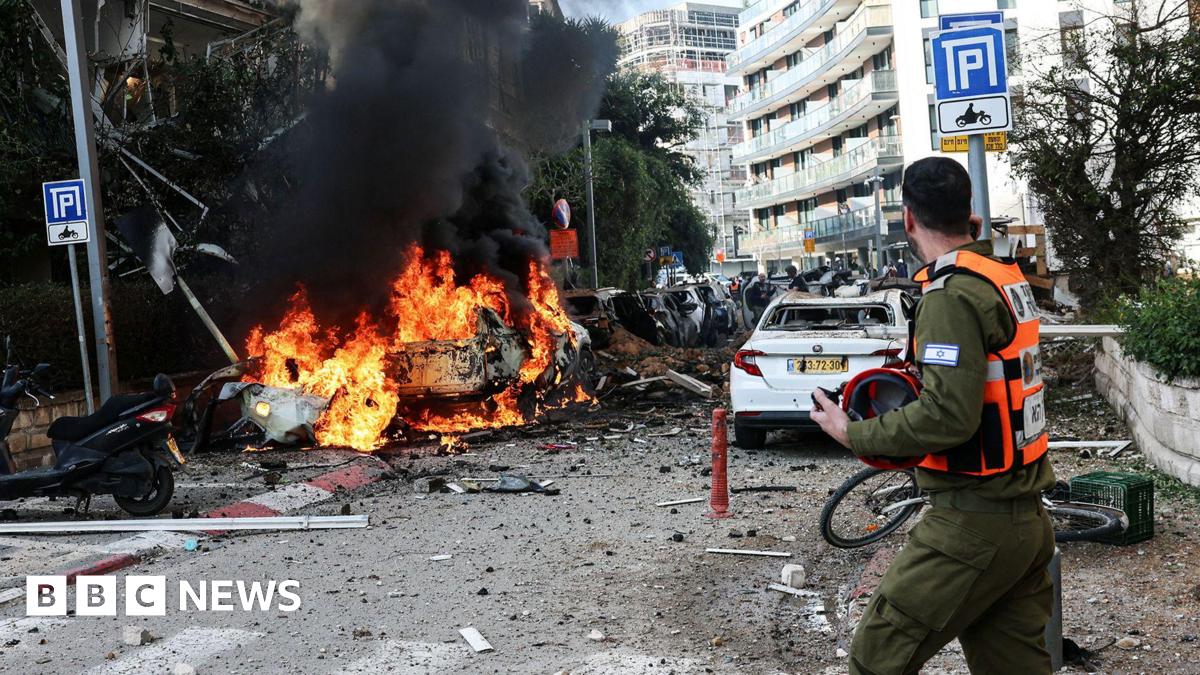
The current situation is marked by a “fuzzy state of mixed messages and uncertainty,” according to observers, with Trump’s public statements often appearing at odds with the realities on the ground. Despite Trump’s claims of a winding down conflict, US and Israeli military actions against Iranian targets continue. The US has also moved additional military forces into the region, including a Marine expeditionary unit. Iran continues to launch missiles and drones across the Middle East, effectively closing the Strait of Hormuz to most international shipping.
Trump has reportedly been seeking a counterpart to Iran’s Delcy Rodriguez, the Venezuelan diplomat he successfully engaged with in past negotiations, but Iranian officials, including Ghalibaf, are described as hardliners demanding a significant price for any cessation of hostilities. The multi-layered structure of the Iranian government, with its powerful clerics and commanders, presents a challenge to direct negotiation, according to analysts.
As of Tuesday, March 24, 2026, Iranian officials have not indicated a willingness to engage in formal talks, and the US has not publicly detailed the substance of any alleged conversations. The Iranian military has not reopened the Strait of Hormuz, and the US has not yet carried out its threatened strikes on Iranian energy infrastructure.