
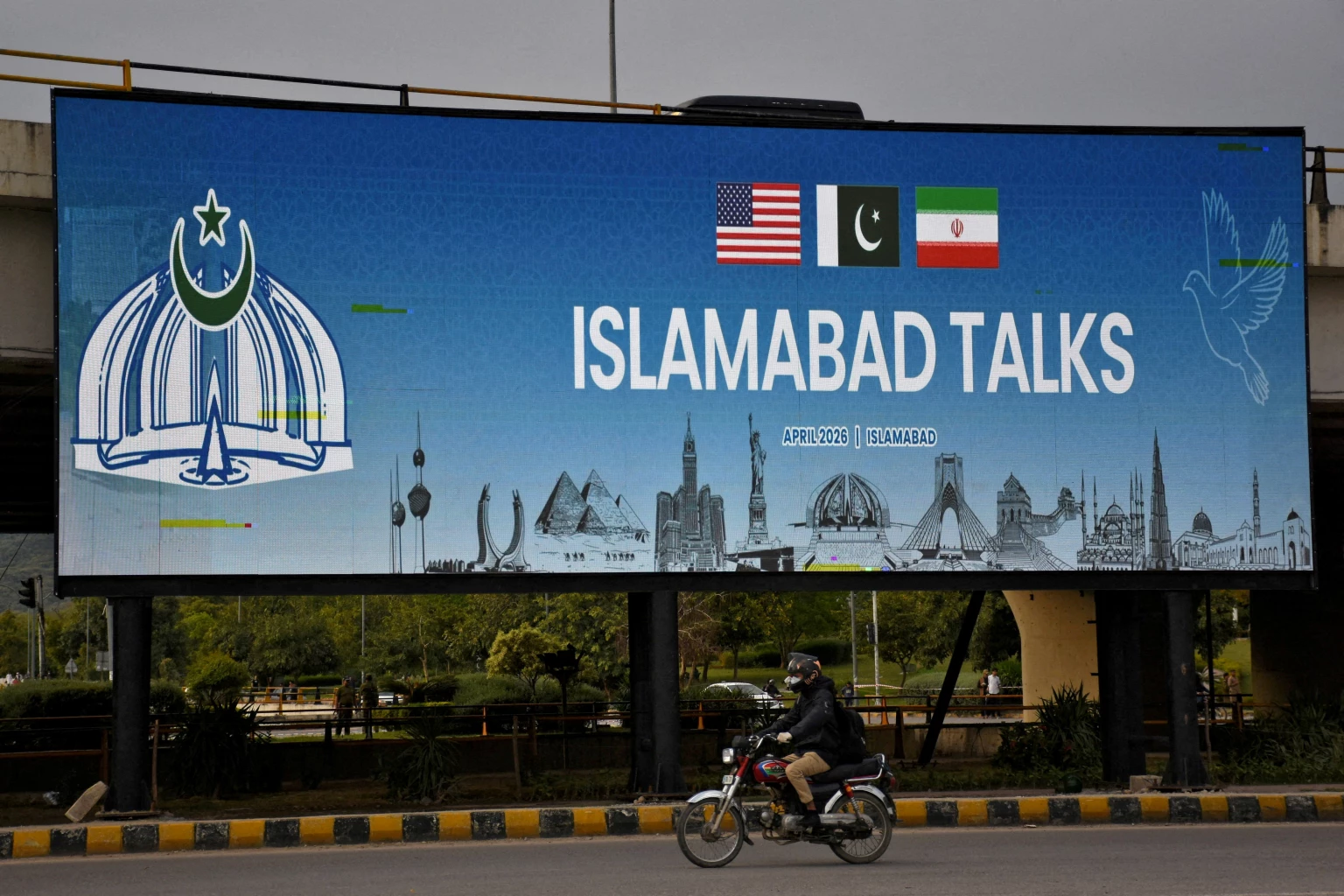
US-Iran Peace Talks: Potential Islamabad Meeting to End Conflict
United States and Iranian officials are expected to resume diplomatic negotiations in Islamabad as early as this weekend to resolve escalating tensions. This diplomatic push coincides with a high-stakes U.S. Military move to blockade the Strait of Hormuz tonight at 21:00, aiming to force the waterway open while global markets react positively to potential ceasefire signals.
The geopolitical chessboard has shifted into a high-pressure gambit. For the global economy, the Strait of Hormuz is not merely a geographic coordinate; it is the jugular vein of the global energy supply. When the U.S. Threatens or implements a blockade, the ripple effects extend far beyond the Persian Gulf, triggering immediate volatility in commodity pricing and equity markets. The current standoff represents a collision between raw military leverage and the desperate need for regional stability.
The Hormuz Gambit: Military Leverage vs. Diplomatic Necessity
The U.S. Administration has set a hard deadline. At 21:00 tonight, a blockade of the Strait of Hormuz is slated to begin. This represents not a random escalation but a calculated strategic maneuver designed to apply maximum pressure on Tehran. The objective is clear: the U.S. Demands the unrestricted opening of the strait before any formal ceasefire agreements are finalized.
This “open first, talk later” approach creates a volatile environment for international shipping. The blockade essentially weaponizes the world’s most critical oil choke point, forcing Iran to choose between economic strangulation and diplomatic concession. For the multinational corporations operating in the region, this instability transforms routine shipping lanes into high-risk zones. To mitigate these risks, global firms are increasingly relying on global logistics consultants to reroute supply chains and secure alternative transit corridors.
“The U.S. Wants the Hormuz Strait open first,” stated Donald Trump, noting that while Iran’s president has requested a ceasefire, the restoration of maritime access remains the non-negotiable prerequisite for Washington.
The international community is not watching in silence. China has entered the fray with a stern warning, labeling the U.S. Decision to close Iranian ports as “dangerous and irresponsible.” This intervention highlights the friction between U.S. Security objectives and China’s need for energy security, as Beijing remains one of the largest importers of Gulf oil. The clash of these two superpowers over a narrow strip of water underscores the fragile nature of current transnational alliances.
The Islamabad Pivot: A Fragile Path to Peace
Despite the looming blockade, a window for diplomacy remains open. The potential for talks in Islamabad this weekend suggests that Pakistan is once again serving as the essential neutral ground for U.S.-Iran relations. The shift toward negotiations indicates that both powers are aware of the limits of brinkmanship.
JD Vance has signaled that channels for negotiation still exist, providing a glimmer of hope that the military escalation may be a prelude to a more favorable deal rather than a descent into full-scale war. Still, the transition from military blockade to diplomatic treaty is fraught with legal complexities. As sanctions regimes shift and novel agreements are drafted, transnational enterprises are scrambling to ensure compliance. This has led to a surge in demand for international trade lawyers capable of navigating the labyrinth of U.S. Treasury sanctions and Iranian trade laws.
The Islamabad talks will likely center on two primary axes: the immediate cessation of hostilities and the long-term guarantee of maritime freedom in the Gulf. If these negotiations fail, the “dangerous” precedent cited by China could lead to a prolonged maritime conflict, further isolating Iran and destabilizing the energy markets of the East.
Market Reflexes: From Panic to Profit
Financial markets typically react to geopolitical instability with fear, but the current trend is an anomaly of optimism. Rather than spiking, WTI crude oil prices have fallen by more than 2%, as traders bet on the likelihood of a negotiated settlement over a prolonged conflict. The market is effectively pricing in the ceasefire requests and the potential for the Islamabad talks to succeed.

The reaction in Asia has been even more pronounced. The Nikkei and KOSPI indices have surged, reflecting a broader regional appetite for risk as the prospect of a U.S.-Iran ceasefire becomes more tangible. In Thailand, the SET index closed the morning session up 20.56 points, with specific gains seen in the tourism, power plant, and hospital sectors. This suggests that investors view a resolution in the Middle East as a catalyst for global economic recovery and a reduction in the “war risk” premium that has plagued energy-dependent sectors.
To visualize the immediate macro-economic impact, the following table summarizes the market’s response to the current diplomatic volatility:
| Market/Asset | Movement | Primary Driver |
|---|---|---|
| WTI Crude Oil | Down >2% | Easing tensions and hope for ceasefire |
| Nikkei / KOSPI | Strong Surge | Positive reaction to U.S.-Iran diplomacy |
| SET Index (Thailand) | Up 20.56 Points | Recovery in tourism and energy-related stocks |
For institutional investors, this volatility creates both peril and opportunity. The rapid swing from blockade threats to ceasefire hopes requires a sophisticated approach to asset allocation. Many firms are onboarding global financial advisors to hedge against the possibility that the Islamabad talks collapse, which would likely trigger a violent reversal in oil prices.
The current standoff between Washington and Tehran is a masterclass in geopolitical leverage. By combining the threat of a Hormuz blockade with a diplomatic invitation to Islamabad, the U.S. Is attempting to dictate the terms of the new regional order. Whether this strategy leads to a sustainable peace or a catastrophic miscalculation depends entirely on the events of the coming weekend.
As the global chessboard continues to shift, the ability to navigate these disruptions defines the survival of the modern corporation. Whether it is securing a supply chain amidst a blockade or restructuring a portfolio during a ceasefire surge, the need for specialized international expertise has never been more acute. The World Today News Directory remains the definitive resource for connecting global enterprises with the legal, financial, and logistical partners required to thrive in an era of permanent geopolitical volatility.