US-Iran Conflict: Persian Gulf Clashes and Peace Negotiation Updates
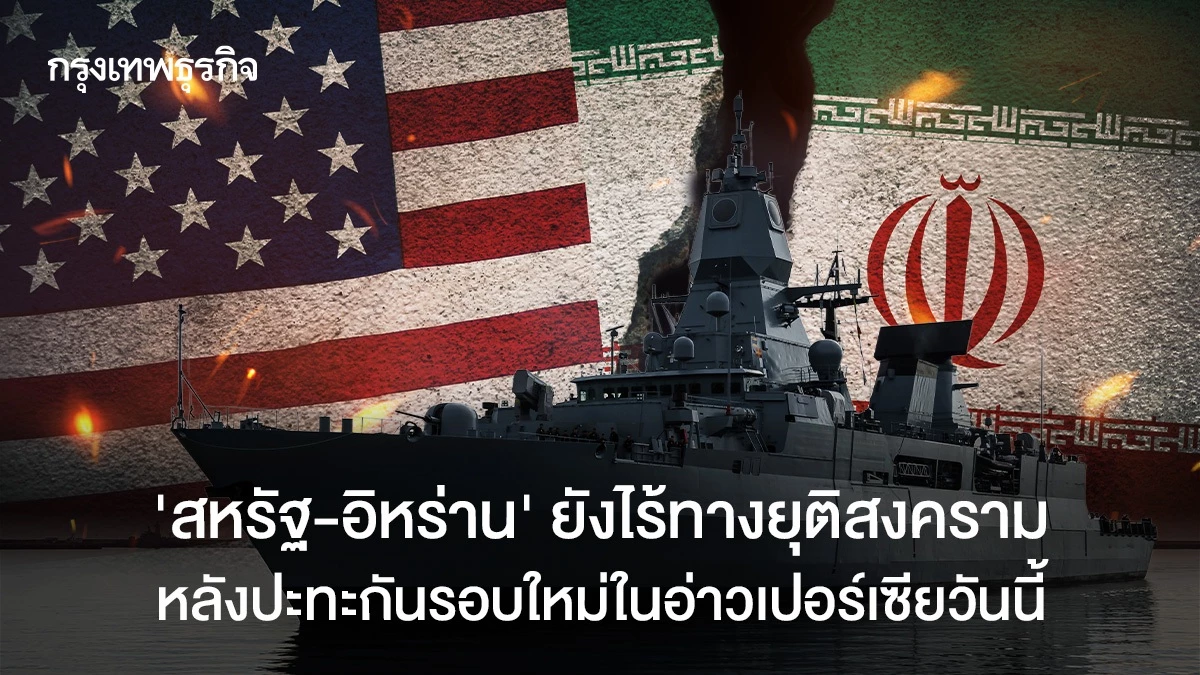
U.S. And Iranian forces clashed in the Persian Gulf on May 9, 2026, jeopardizing fragile peace negotiations. While President Trump maintains a ceasefire remains in effect, intensifying blockades in the Strait of Hormuz and CIA assessments of Iranian resilience signal a protracted conflict with severe implications for global energy markets and maritime security.
This represents not merely a regional skirmish; it is a high-stakes stress test for the global energy architecture. The Strait of Hormuz remains the world’s most critical oil chokepoint, a narrow artery through which a massive share of the world’s petroleum passes. When this artery is squeezed, the shockwaves hit every boardroom from Singapore to Rotterdam, triggering immediate volatility in commodity pricing and shipping insurance premiums.
The current volatility creates a vacuum of certainty. For multinational corporations, this means the “just-in-time” supply chain is once again a liability.
The Hormuz Chokepoint and the Blockade Paradox
The recent surge in hostilities in the Persian Gulf underscores a fundamental geopolitical deadlock. Despite diplomatic signals that a peace deal is nearing success—which briefly drove crude oil prices lower—the reality on the water is far more chaotic. New clashes today prove that the “peace” being negotiated is decoupled from the tactical reality of the naval blockade.
The blockade is designed to cripple Tehran’s economic capacity, but it simultaneously threatens the flow of global energy. This tension forces shipping companies to weigh the risk of seizure or attack against the cost of rerouting. As the blockade intensifies, firms are urgently seeking the expertise of maritime logistics specialists to secure alternative corridors and manage the escalating costs of war-risk insurance.
The strategic importance of this region cannot be overstated. According to analysis from the International Energy Agency (IEA), any prolonged disruption in the Gulf can trigger a global energy crisis, forcing nations to tap into strategic petroleum reserves to prevent economic collapse.
Intelligence and Attrition: The Four-Month Window
A critical intelligence revelation has shifted the calculus of this conflict. The CIA now assesses that Iran can withstand a comprehensive blockade for up to four months. This window of resilience changes the conflict from a sprint to a marathon of attrition.
If Tehran can endure the initial economic shock, the pressure shifts back onto the United States and its allies, who must sustain the high cost of naval deployment and manage the domestic political fallout of spiking energy prices. The conflict is no longer about who has the most firepower, but who has the most endurance.
“In modern asymmetric warfare, the victory goes not to the side with the most advanced weaponry, but to the side that can absorb the most pain without collapsing internally.”
This endurance gap creates a perilous environment for foreign direct investment. Companies with assets in the region are now operating in a “grey zone” where traditional risk models fail. To survive this, global enterprises are onboarding elite political risk consultants to build contingency frameworks that account for a multi-month disruption of Gulf trade.
The Diplomatic Disconnect: Ceasefires vs. Combat
There is a jarring contradiction at the heart of the current administration’s strategy. President Trump has publicly confirmed that the ceasefire remains in effect, yet the naval clashes in the Strait of Hormuz continue unabated. This disconnect suggests one of two things: either the ceasefire is a diplomatic fiction intended to stabilize markets, or the command-and-control structures on the ground have diverged from the political directives in Washington.
This ambiguity is a nightmare for legal compliance. As the U.S. Fluctuates between ceasefire rhetoric and blockade enforcement, the sanctions landscape becomes a minefield. International firms are scrambling to ensure they are not inadvertently violating updated emergency decrees. This has led to a surge in demand for international trade lawyers who specialize in sanctions navigation and cross-border regulatory compliance.
The fragility of these negotiations is further highlighted by the fact that peace talks are facing “new obstacles” even as some reports suggest a deal is close. This “push-pull” dynamic is designed to keep the adversary off-balance, but it leaves the global economy in a state of suspended animation.
Macro-Economic Ripples and Market Volatility
The market’s reaction to the U.S.-Iran conflict is a study in cognitive dissonance. Crude oil prices have dipped in response to rumors of a nearing peace deal, yet the underlying fundamentals—active combat and a tightening blockade—suggest a bullish trend for prices in the long term.

We are seeing a divergence between short-term speculation and long-term strategic planning. While traders bet on a diplomatic breakthrough, sovereign wealth funds and industrial giants are hedging against a total closure of the Strait. This divergence is typical of “black swan” geopolitical events where the market underestimates the duration of the crisis.
To understand the broader implications, one must look at the Bloomberg Terminal data on energy futures, which shows a widening spread between immediate and long-term contracts—a clear sign that the market expects continued instability.
The conflict also risks drawing in regional powers, potentially expanding the theater of war beyond the Gulf. If the blockade fails to force a surrender within the CIA’s estimated four-month window, the pressure to escalate—either through direct strikes or expanded naval engagements—will become irresistible.
The global chessboard is being reset in real-time. The U.S.-Iran conflict is a reminder that in a hyper-connected economy, a single naval clash in a remote strait can rewrite the quarterly earnings of a Fortune 500 company. Stability is no longer a given; it is a commodity that must be actively managed through expert intelligence and legal precision.
As the window of Iranian resilience closes and the diplomatic deadlock persists, the only certainty is volatility. Navigating this environment requires more than just news—it requires a network of vetted partners. Whether it is securing a supply chain via the World Today News Directory’s logistics partners or hardening a corporate strategy with top-tier risk analysts, the time to build those bridges is before the next clash occurs.