
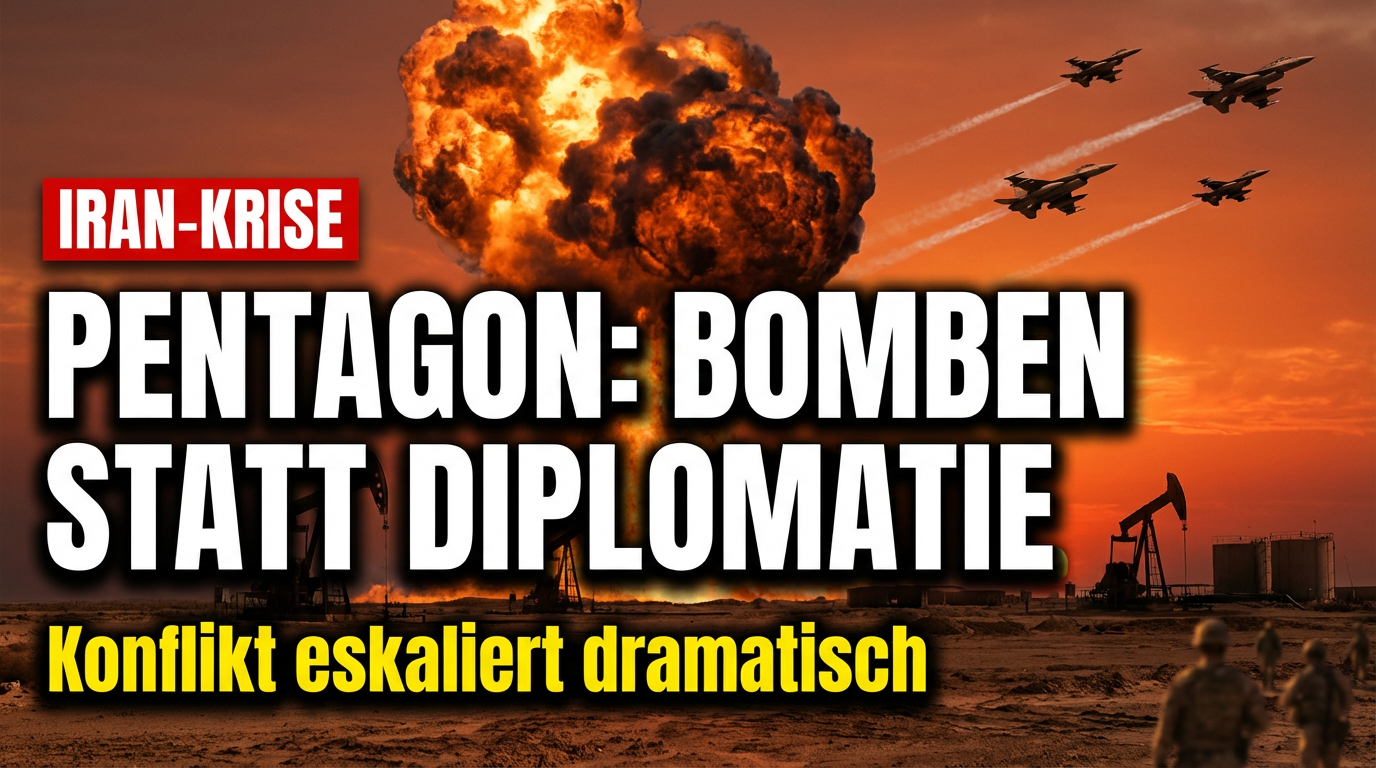
US Iran Conflict Escalation Under Trump Administration Threatens Global Economy
US-Iran conflict escalates as Pentagon adopts bomb-heavy negotiation tactics. Oil supply chains face disruption via Hormuz. Markets react to geopolitical risk premiums. Corporate resilience strategies now critical for Q2 fiscal planning.
Washington has shifted from diplomatic signaling to kinetic coercion. Defense Secretary Pete Hegseth confirmed during a White House cabinet session that the Pentagon intends to negotiate using ordnance. This pivot marks a departure from standard deterrence protocols, signaling a high-risk posture that immediately recalibrates global risk assets. Investors are not waiting for the next briefing. Capital is fleeing exposure zones.
The contradiction at the executive level creates volatility. President Trump asserts a four-to-six-week timeline for conflict resolution even as his cabinet evaluates final strike options capable of dragging the US into a multi-year quagmire. Such mixed messaging fractures market confidence. Institutional capital requires predictability. When the Commander-in-Chief threatens no return on Truth Social while advisors seek off-ramps, hedging becomes the only rational strategy.
Supply Chain Choke Points and Energy Volatility
Tehran holds leverage that transcends conventional military metrics. The Strait of Hormuz handles approximately 20 percent of global oil trade. Iranian control over this maritime corridor functions as a hard stop on global liquidity. Recent attacks on refineries in Saudi Arabia and Kuwait demonstrate capability, not just intent. The Gulf Cooperation Council labeled this brutality an aggression against the world economy. They are correct.
Shipping insurers are already adjusting war risk premiums. Lloyd’s List intelligence indicates premium hikes for vessels traversing the Red Sea and Persian Gulf. These costs pass directly to consumers. Inflationary pressures, previously thought contained, now face a fresh supply-side shock. Companies reliant on just-in-time logistics must reassess inventory buffers. The cost of holding stock suddenly looks cheaper than the cost of missing a shipment.
Corporate treasurers face a binary choice. Absorb the margin compression or pass costs to buyers. Neither option preserves market share. Organizations consulting with specialized supply chain logistics firms are currently modeling disruption scenarios. They are not planning for optimism. They are stress-testing for closure.
Operational Losses and Defense Spending
The human and material cost of escalation appears higher than initial Pentagon estimates. A New York Times report details 13 US military bases rendered uninhabitable following ballistic missile retaliation. CENTCOM confirms 13 fatalities and roughly 300 injuries. These figures suggest a preparation gap. When forward operating bases become untenable, force projection costs exponential capital.
Defense contractors see order books swell, but public equities in the sector face regulatory scrutiny. Congress will demand accountability for the loss of infrastructure. Shareholders in aerospace and defense firms should monitor SEC filings for contingency liabilities. War profits often arrive with delayed payment terms and political clawbacks. The bottom line is not as clean as the headline revenue suggests.
“Geopolitical risk is no longer a footnote in the investment memo. It is the primary driver of asset allocation for Q2. We are seeing a flight to hard assets and a reduction in exposure to regions with dual-use infrastructure.”
— Senior Portfolio Manager, Global Macro Fund
Russia’s involvement complicates the balance sheet further. Drone transfers from Moscow to Tehran indicate a widening proxy war. This extends the conflict timeline. A longer war means sustained energy price elevation. European markets, already fragile from green transition costs, face renewed strain. The German government under Friedrich Merz must navigate this without triggering a recession. Industrial output depends on stable energy inputs. Stability is now a premium commodity.
Strategic Implications for Corporate Governance
Boardrooms must treat geopolitical instability as a fiduciary duty. Ignoring the Hormuz threat constitutes negligence. Directors need real-time intelligence, not nightly news summaries. Engaging corporate security and risk advisory services is no longer optional for multinationals. The distinction between national security and corporate security has dissolved.
Diplomacy remains thin. Iran rejected the US 15-point plan as unilateral. Vice President Vance may travel to Pakistan to facilitate backchannel talks. Yet Tehran demands five preconditions. Until those met, negotiations remain theoretical. Markets hate theoretical. They price in the worst-case scenario. The killing of IRGC Navy Commander Alireza Tangsiri by Israel removes a key negotiator but invites rapid replacement. Decapitation strikes rarely degrade decentralized networks.
- Energy Sector: Expect Brent Crude volatility to exceed standard deviation bands. Hedging instruments become essential.
- Logistics: Rerouting around the Cape of Decent Hope adds 14 days to transit times. Cash conversion cycles will elongate.
- Defense: Government contracts will accelerate, but supply chain bottlenecks for munitions may delay fulfillment.
Physical precious metals are seeing renewed inflows. Gold and silver historically preserve value when fiat currencies erode under inflationary war spending. This is not speculation. It is balance sheet insurance. The European Central Bank monetary policy statements hint at tolerance for higher inflation if supply shocks persist. Cash loses purchasing power. Hard assets retain it.
The Path Forward for Enterprise
Executives cannot wait for peace to plan. The conflict may resolve in weeks or decades. Business continuity plans must accommodate both. Diversifying supplier bases away from conflict zones is immediate function. Legal teams should review force majeure clauses. Insurance policies need war risk endorsements. These are not IT problems. They are existential threats to solvency.
Investors should monitor IMF global stability reports for sovereign risk updates. Emerging markets with high energy imports will face balance of payments crises. Capital flight from these regions will seek safe harbor in US Treasuries and blue-chip equities. However, even US markets are not immune to energy spikes. The correlation between oil prices and consumer sentiment remains strong.
History teaches that military adventures in the Middle East rarely end as architects envision. The human toll, including over 1,900 reported Iranian casualties, underscores the severity. Corporate leaders must separate moral imperatives from fiscal realities. Both require action. Protecting capital in this environment demands agility. Those who rely on legacy strategies will find themselves exposed.
Navigate this volatility with partners who understand the stakes. The World Today News Directory connects enterprises with vetted financial consulting experts capable of structuring resilient portfolios. Do not wait for the next headline. Secure your position now.