
US-Iran Conflict: Conflicting Accounts After Strike Postponement
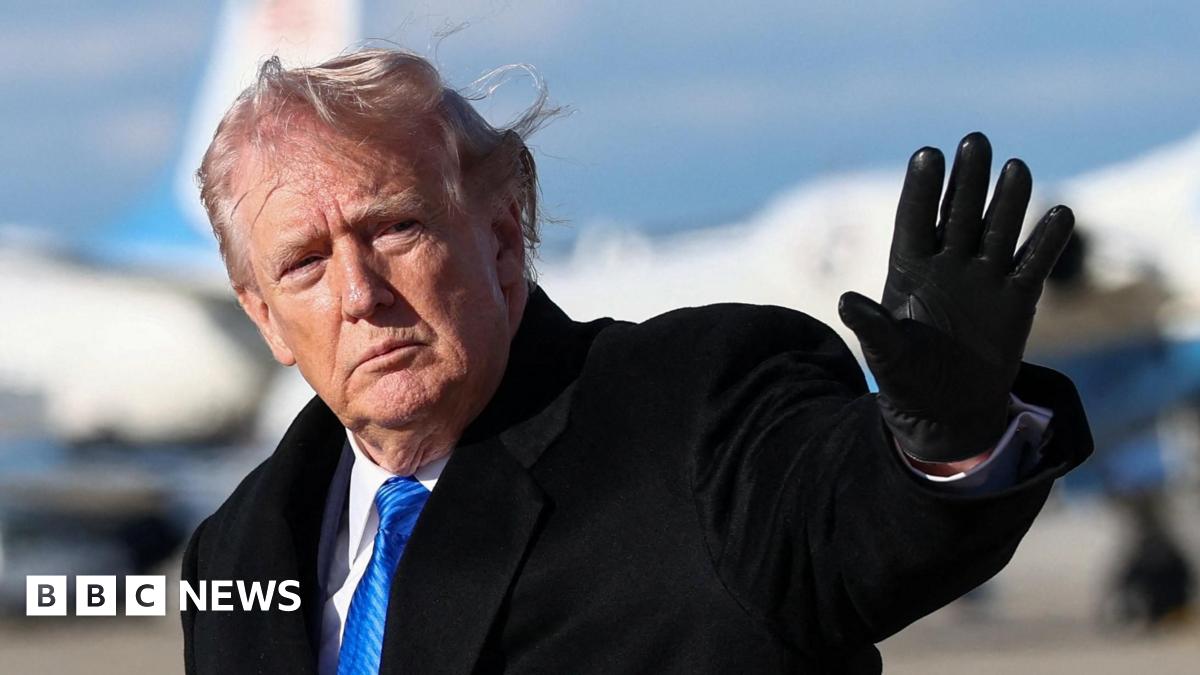
President Donald Trump has postponed threatened military strikes against Iran, following what he described as “productive” conversations with Tehran, a claim immediately disputed by Iranian officials. The abrupt shift in posture came after Trump issued a 48-hour ultimatum on Saturday demanding Iran reopen the Strait of Hormuz or face attacks on its power plants.
Mohammad-Bagher Ghalibaf, speaker of the Iranian Parliament, dismissed Trump’s assertion of talks as “fake news,” according to reports. However, a senior Iranian official, speaking to CBS News – a partner of the BBC – indicated that points had been received from the U.S. Through mediators and were under review. The official clarified that this exchange was “a potential precursor to talks,” but did not confirm that negotiations were underway.
The White House has urged caution in interpreting recent developments, stating the situation remains “fluid.” A spokesperson emphasized that speculation about meetings should not be considered final until formally announced. This statement follows a period of escalating tensions, including Trump’s previous demand for allies to assist in reopening the Strait of Hormuz – a request met with resistance, prompting him to declare he did not require their assistance and to criticize their reluctance to participate in a potential conflict.
The Strait of Hormuz, a critical choke point for global oil exports, has been at the center of the escalating crisis. Its potential closure has stranded numerous oil tankers, contributing to a surge in energy prices and raising concerns about a possible global recession, according to analysis from CNN. Trump had previously threatened to “obliterate” Iran’s power plants if the waterway was not reopened by his deadline.
According to the Jerusalem Post, discussions regarding potential shared US-Iran control over the Strait of Hormuz are reportedly being led by Ghalibaf. This development comes as Trump has also claimed that “regime change” in Iran has “already happened,” a statement that remains unsubstantiated.
The New York Times reported on March 21st that President Trump was considering “winding down” operations in Iran, but noted that many of his initial war goals remained unfulfilled. This potential shift in strategy coincides with Iran’s threat to target U.S. And Israeli energy infrastructure in response to any military action, as reported by the Associated Press.
As of Monday, the White House has not provided further details on the nature of the “productive conversations” with Iran, nor has it clarified whether the postponement of strikes signals a willingness to pursue a diplomatic resolution. The Iranian government has yet to issue a formal response to Trump’s claims of dialogue.