
US-Iran Ceasefire Strained as Conflict Escalates in Lebanon
As of April 9, 2026, a fragile truce between the United States and Iran is fracturing following massive Israeli military strikes in Lebanon. The escalation threatens to collapse regional diplomacy, triggering a broader Middle Eastern conflict as Iran warns of imminent retaliation if hostilities against Lebanese territories do not cease.
The stability of the Levant is currently hanging by a thread. For months, the “uneasy ceasefire” between Washington and Tehran served as a diplomatic firewall, preventing a direct state-on-state war. But that firewall is melting. The current flare-up in Lebanon isn’t just a localized skirmish; We see a stress test for the entire geopolitical architecture of the 21st century.
When a truce cracks, the fallout is rarely contained to the battlefield. It spills into the markets, the shipping lanes of the Mediterranean, and the legal frameworks governing international sovereignty.
The Anatomy of a Collapsing Ceasefire
The current crisis is defined by a volatile triangle: Israel’s security imperatives, Iran’s regional proxy network, and the United States’ attempt to maintain a strategic equilibrium. The massive Israeli strikes on Lebanese soil have pushed the Iranian leadership toward a binary choice—accept a perceived loss of prestige or engage in a direct response that could ignite a regional conflagration.
Historically, Lebanon has served as the primary theater for this shadow war. From the 1982 invasion to the 2006 war, the geography of Southern Lebanon has been a recurring flashpoint. Although, the 2026 escalation is different. The integration of advanced drone technology and AI-driven targeting has shortened the “decision window” for political leaders, leaving almost no room for the unhurried, methodical diplomacy that characterized the Cold War era.
“We are witnessing the death of the buffer zone. In previous decades, there were layers of mediation. Now, the distance between a tactical strike in Beirut and a strategic response from Tehran is measured in minutes, not days.”
This volatility creates an immediate vacuum of security for civilians and foreign assets. As infrastructure in Lebanon suffers, the need for international law firms specializing in sovereign immunity and diplomatic arbitration becomes paramount for corporations operating in the region.
The Macro-Economic Shockwave
The world isn’t just watching a war; it is watching a potential energy crisis. The Strait of Hormuz remains the most critical chokepoint for global oil transit. Any direct Iranian retaliation against US assets or an escalation that leads to the closure of these shipping lanes would send Brent Crude prices skyrocketing, triggering inflationary pressure across the Eurozone and North America.

Beyond oil, the regional economy of Lebanon—already devastated by years of financial collapse—faces total systemic failure. The destruction of power grids and communication hubs means that local businesses cannot operate. For those attempting to salvage assets or manage corporate exits, accessing verified risk management consultants is no longer optional; it is a survival strategy.
Comparative Impact Analysis: 2006 vs. 2026
| Metric | 2006 Conflict | 2026 Escalation |
|---|---|---|
| Primary Weaponry | Conventional Artillery/Air | AI-Driven Drones/Precision Missiles |
| Diplomatic Framework | UN Resolution 1701 | Fragile US-Iran Direct Truce |
| Global Economic Link | Moderate Oil Volatility | High Systemic Risk (Global Supply Chain) |
| Communication Speed | Hours/Days | Real-time/Instantaneous |
The “Loser’s Paradox” in Israeli Leadership
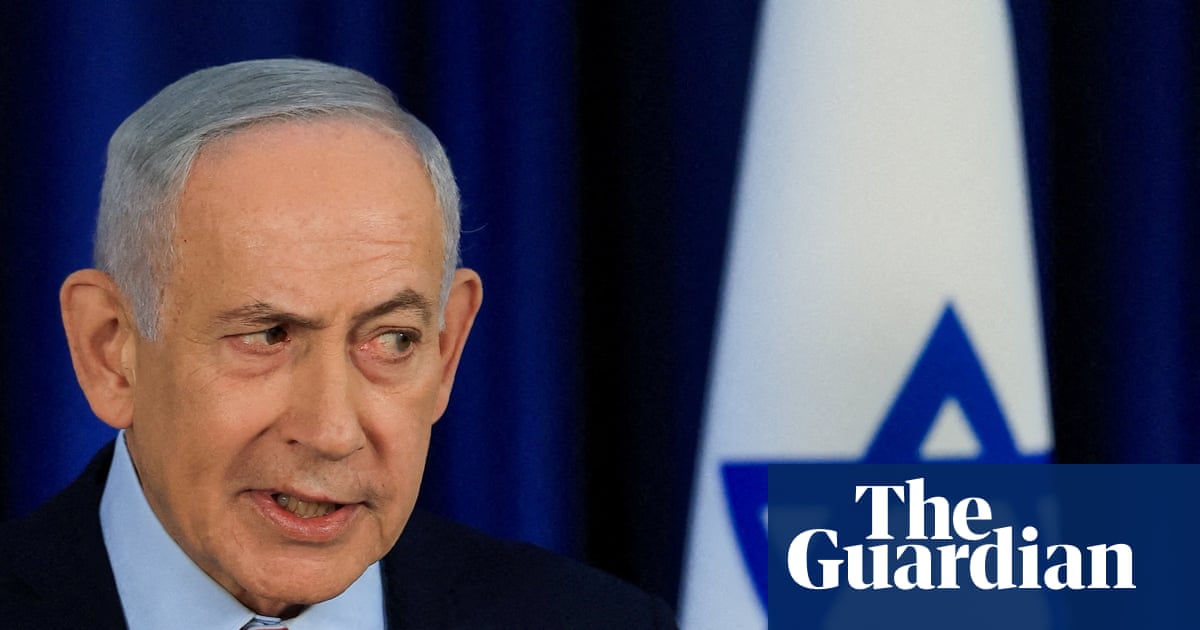
While the military strikes may achieve short-term tactical goals, the political cost is mounting. There is a growing sentiment that Benjamin Netanyahu is trapped in a cycle of “permanent war” that offers no exit strategy. The Guardian suggests a narrative of a “war with no winners,” where the perceived strength of a massive strike is offset by the total erosion of long-term diplomatic viability.
This internal political instability in Israel creates a ripple effect. When leadership is perceived as erratic, international investors pull back. We are seeing a shift in capital flow away from regional hubs toward “safe haven” jurisdictions. This flight of capital necessitates the expertise of cross-border wealth managers who can pivot assets before sanctions or conflict-driven freezes take hold.
The legal implications are equally staggering. As the US navigates its role as a mediator and a military ally, the tension between US Department of State mandates and the reality of Middle Eastern volatility is reaching a breaking point.
The Human Cost and Municipal Collapse
In the cities of Lebanon, the “cracks” in the truce are felt as tremors in the ground. Municipalities are struggling to provide basic services as hospitals are overwhelmed and power grids fail. The collapse of local governance means that humanitarian aid is often the only functioning infrastructure.
“The tragedy is that the Lebanese people are once again the foot soldiers in a war they did not start and cannot stop. Our municipal services are not just strained; they are nonexistent in the strike zones.”
For those displaced or seeking asylum, the legal journey is a nightmare of bureaucracy. Navigating the complexities of international protection requires immigration and human rights attorneys who understand the specific nuances of the Lebanese-Syrian-Israeli corridor.
To understand the broader context of these tensions, one must gaze at the Associated Press reports on regional militia movements and the UN Security Council’s failed attempts to impose a lasting ceasefire.
The Road Ahead: Strategic Fragility
The current trajectory suggests that the US-Iran truce was never a peace treaty, but rather a tactical pause. The “cracks” appearing now are the result of a fundamental misalignment of goals: Israel seeks the total neutralization of threats, Iran seeks regional hegemony, and the US seeks a stable environment for trade and security.
As we move further into April 2026, the risk of a “miscalculation” increases. A single stray missile or a misinterpreted signal could trigger a cascade of events that no amount of diplomacy can reverse. The world is not just watching a border dispute; it is watching the potential dismantling of the post-WWII security order in the Middle East.
In an era of such profound instability, the only true currency is verified information and professional reliability. Whether you are a corporate entity protecting assets, a family seeking safety, or a diplomat navigating a minefield, the ability to identify vetted, expert guidance is the only way to mitigate the chaos. The World Today News Directory remains the definitive bridge to the professionals equipped to handle the fallout of a world in fracture.