
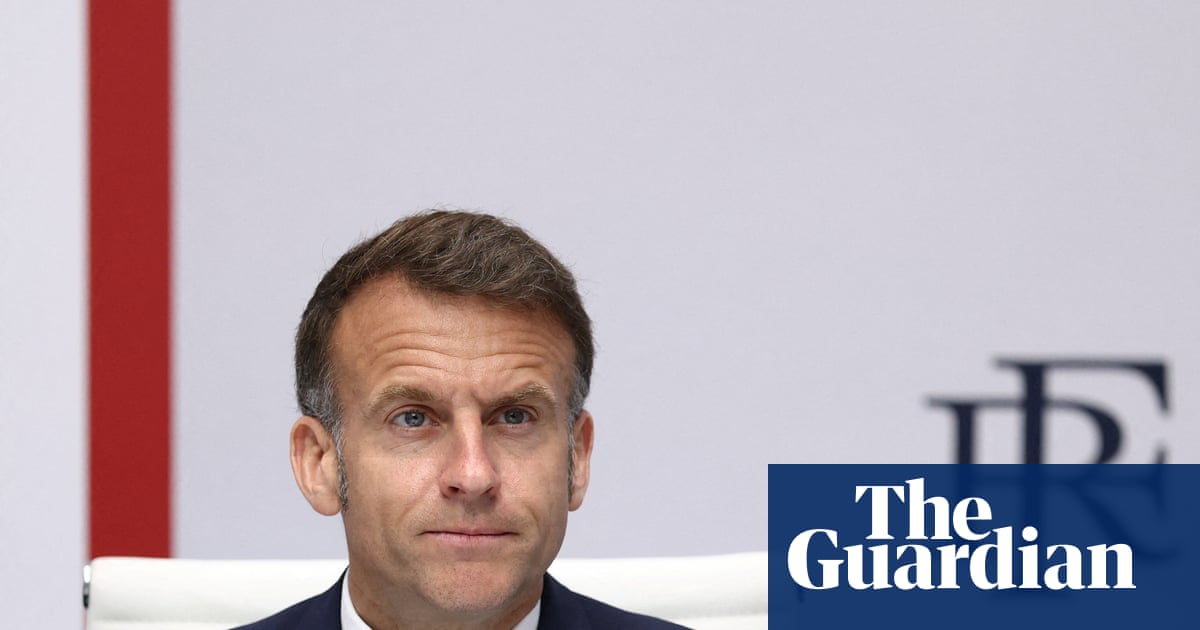
US-Iran Ceasefire: Starmer Visits Saudi Arabia for Gulf Peace Talks
European leaders and the international community have welcomed a critical ceasefire between the United States and Iran, announced on April 8, 2026. The deal halts imminent military escalation in the Middle East, stabilizing global energy markets and prompting urgent diplomatic missions, including UK Prime Minister Keir Starmer’s arrival in Saudi Arabia.
The relief is palpable, but the tension remains. For months, the world held its breath as the brinkmanship between Washington and Tehran threatened to ignite a regional conflagration that would have dwarfed previous conflicts in the Gulf. This wasn’t just a diplomatic victory; it was a systemic rescue mission for a global economy already reeling from volatility.
The problem is that ceasefires are fragile. They are not peace treaties; they are pauses. The immediate fallout of this volatility has left thousands of businesses, shipping conglomerates, and expatriate families in a state of legal and financial limbo. When the “brink” is this close, the collateral damage manifests in broken contracts, frozen assets, and disrupted supply chains across the Strait of Hormuz.
The Anatomy of a Near-Miss: From the ‘Stone Age’ to Diplomacy
The final hours leading up to the truce were described by observers as a descent from the “Stone Age”—a period of raw, primal threats and military posturing—into a “Golden Age” of sudden, pragmatic diplomacy. The transition was not seamless. It required a series of back-channel communications involving Gulf intermediaries and high-stakes pressure from the European Union to ensure that neither side felt they were surrendering from a position of weakness.

The geopolitical relationship here is complex. The US seeks to maintain regional hegemony and security for its allies, while Iran leverages its strategic geography to ensure its own regime survival and regional influence. Saudi Arabia, acting as the pivotal bridge, now finds itself at the center of a new security architecture. Keir Starmer’s immediate flight to Riyadh is a signal that the UK is pivoting its foreign policy to secure long-term trade stability in a post-ceasefire environment.
“The ceasefire is a vital lungful of air, but we must not mistake a pause in hostilities for a resolution of the underlying grievances. The structural instability of the region remains, and the economic ripples will be felt in every port from Rotterdam to Singapore.”
This volatility creates a vacuum of certainty. For companies operating in the Middle East, the sudden shift from “war footing” to “ceasefire” requires an immediate audit of risk management strategies. Many are now rushing to engage international trade attorneys to renegotiate force majeure clauses that were triggered during the height of the tension.
Macro-Economic Shockwaves and the Energy Pivot
The ceasefire’s most immediate impact is felt in the energy sector. The Strait of Hormuz, through which roughly one-fifth of the world’s total oil consumption passes, had become a focal point of military tension. The threat of a blockade or kinetic engagement drove insurance premiums for maritime shipping to unsustainable heights.
To understand the scale of the risk, one must glance at the historical precedent of the “Tanker War” in the 1980s. While the 2026 crisis was managed through digital diplomacy and rapid-response summits, the economic vulnerability remains the same. The global market’s reliance on this narrow corridor makes every ceasefire a temporary reprieve rather than a permanent solution.
The shift in stability is prompting a massive reallocation of capital. Investors are no longer just looking for short-term hedges; they are seeking long-term infrastructure resilience. This has led to a surge in demand for strategic risk consultants who can help firms diversify their supply chains away from single-point-of-failure geographies.
The Strategic Timeline of the 2026 Resolution
| Phase | Action | Primary Objective |
|---|---|---|
| The Escalation | Military mobilization in the Gulf | Deterrence through strength |
| The Pivot | Back-channel EU/Gulf mediation | Establishment of a communication line |
| The Ceasefire | Formal US-Iran agreement (April 8) | Immediate cessation of hostilities |
| The Stabilization | Starmer’s Saudi Arabia mission | Long-term regional security framework |
Local Impact: Beyond the Headlines
While the headlines focus on presidents and prime ministers, the local reality in cities like Dubai, Doha, and Kuwait City is one of cautious recalibration. Local municipal laws regarding emergency preparedness and foreign investment are being reviewed. In these jurisdictions, the “ceasefire economy” is characterized by a rush to restart stalled construction projects and a desperate need to clear the backlog of disrupted logistics.
For the expatriate community, the psychological toll of living on the edge of war has been significant. There is now a growing movement toward securing permanent residency and long-term legal protections. Navigating these shifting municipal regulations often requires the expertise of immigration and residency specialists to ensure that professional visas remain valid amidst changing geopolitical alignments.
The diplomatic victory is real, but the administrative cleanup is just beginning. According to the Associated Press, the focus is now shifting toward the verification of the ceasefire terms, a process that will likely take months of intrusive monitoring.
The Long-Term Outlook: Fragile Peace
We are currently witnessing a masterclass in crisis management, but the underlying friction between the US and Iran remains unresolved. The “step back from the brink” is a tactical success, not a strategic one. The world has avoided a catastrophe, but it has not yet found a cure for the instability of the Middle East.
The real test will be whether the current momentum can be converted into a formal diplomatic framework. Until then, the global community is operating on borrowed time. The risk of a “snap-back” to hostilities remains a constant variable in every corporate boardroom and government office.
As we move forward, the ability to pivot quickly—from crisis mode back to growth mode—will define the winners of this era. Whether you are a multinational corporation recalibrating its logistics or an individual securing their assets in a volatile region, the need for verified, expert guidance has never been higher. The gap between a ceasefire and lasting peace is filled with legal complexities and operational risks; finding the right certified experts via the World Today News Directory is the only way to ensure you aren’t caught in the next sudden shift of the geopolitical tide.