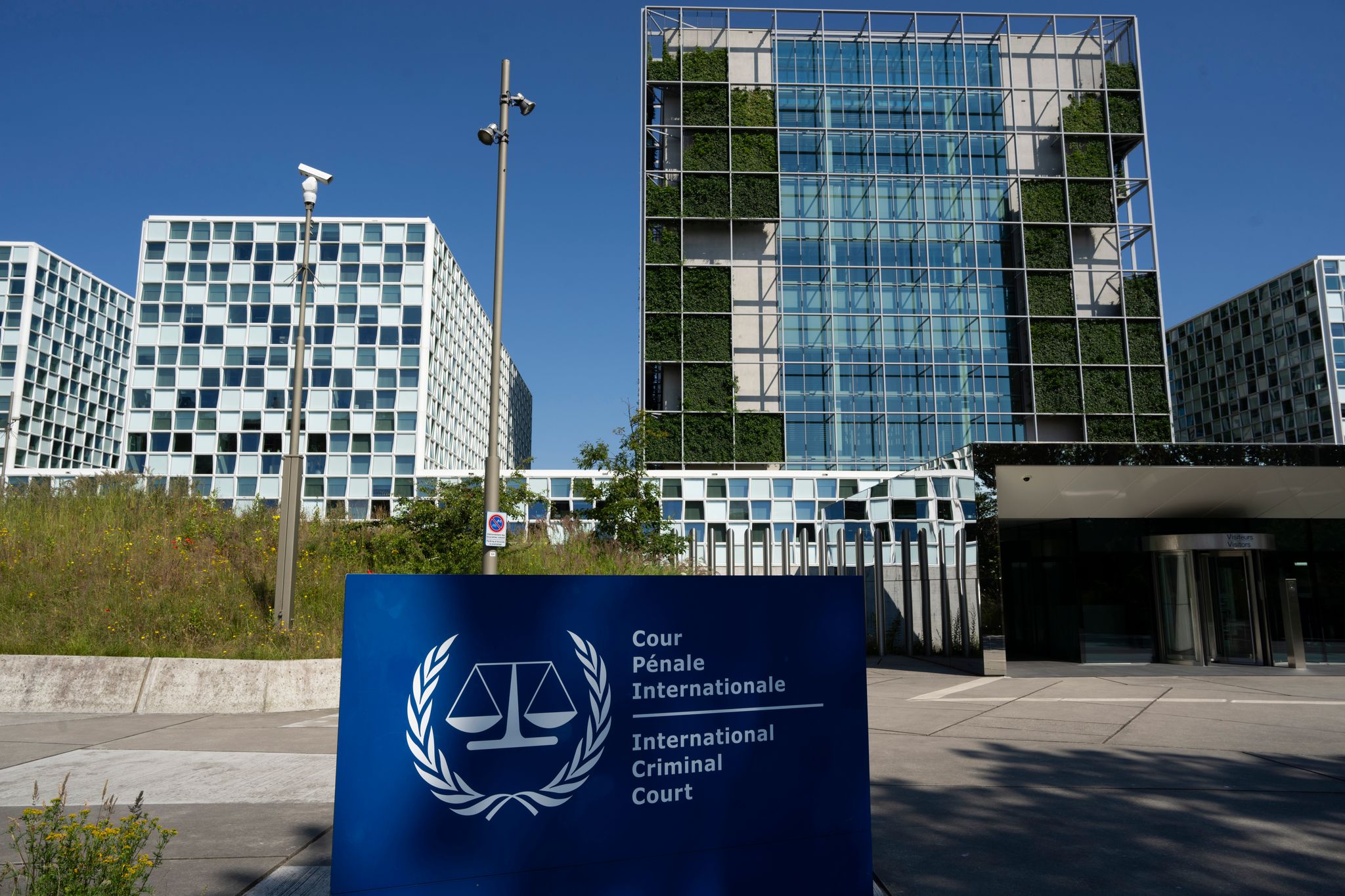
US Imposes Sanctions on International Criminal Court President and Prosecutor
The United States government has imposed formal sanctions on key officials of the International Criminal Court (ICC), including the court’s prosecutor, citing the tribunal’s investigations into American and Israeli personnel. These measures, anchored in executive authority, mark a significant escalation in the friction between Washington and the Hague-based institution.
The Scope of Executive Action Against ICC Leadership
On September 2, 2020, the U.S. government took the step of placing ICC Prosecutor Fatou Bensouda and Phakiso Mochochoko, the head of a division within the prosecutor’s office, on the Specially Designated Nationals and Blocked Persons List (SDN List). According to the Human Rights Watch, this action was executed under Executive Order 13928, which declared a national emergency regarding the court’s activities. The designation effectively freezes any assets the individuals may hold within U.S. jurisdiction and prohibits American citizens and entities from engaging in financial transactions with them.
The impact of these sanctions extends beyond personal asset freezes. Because the global financial system relies heavily on the U.S. dollar, major international banking institutions often refuse to facilitate transactions for individuals on the SDN list to avoid potential regulatory exposure. This creates a functional barrier for the officials, even when operating in their professional capacities outside of the United States.
Sovereignty Claims and the Rome Statute
The U.S. position, as articulated by the White House, rests on the argument that the ICC lacks legitimate jurisdiction over the United States and Israel, as neither nation is a signatory to the Rome Statute. The administration has characterized the court’s investigations into American personnel and the issuance of arrest warrants for Israeli officials as an infringement on national sovereignty.
In a formal statement, the White House asserted that the ICC’s actions against Israel and the United States set a dangerous precedent, endangering service members by exposing them to potential legal harassment. The administration cites the American Servicemembers’ Protection Act of 2002 as a primary legislative pillar for its stance, which was designed to shield U.S. military and government officials from the jurisdiction of an international court to which the country is not a party.
Legal and Financial Risks for International Entities
The extraterritorial reach of these sanctions creates a complex environment for international organizations and legal firms that interact with the ICC. For entities providing services to the court or its personnel, the risk of “secondary sanctions” or accidental non-compliance with U.S. Treasury regulations is significant.

A Clash of Institutional Mandates
The conflict represents a fundamental disagreement over the reach of international law. While the ICC maintains its mandate to investigate war crimes, crimes against humanity, and genocide regardless of a nation’s status as a signatory, the U.S. maintains that such investigations are “baseless” when directed at its own personnel.
The European Union has expressed concern regarding the reach of these sanctions, with some officials suggesting that such measures undermine the independence of the judiciary. However, the U.S. government remains firm in its stance. As stated by the White House, the U.S. expects its allies to respect the decision of nations that have not consented to the court’s jurisdiction.
The Path Forward for Diplomatic and Legal Channels
The long-term implications for the ICC’s operational capacity remain uncertain. While the court continues its work, the ability to engage with U.S.-based institutions and financial systems is effectively curtailed for the sanctioned individuals.

The current environment serves as a stark reminder that even global institutions are not immune to the domestic legal and financial policies of major world powers.