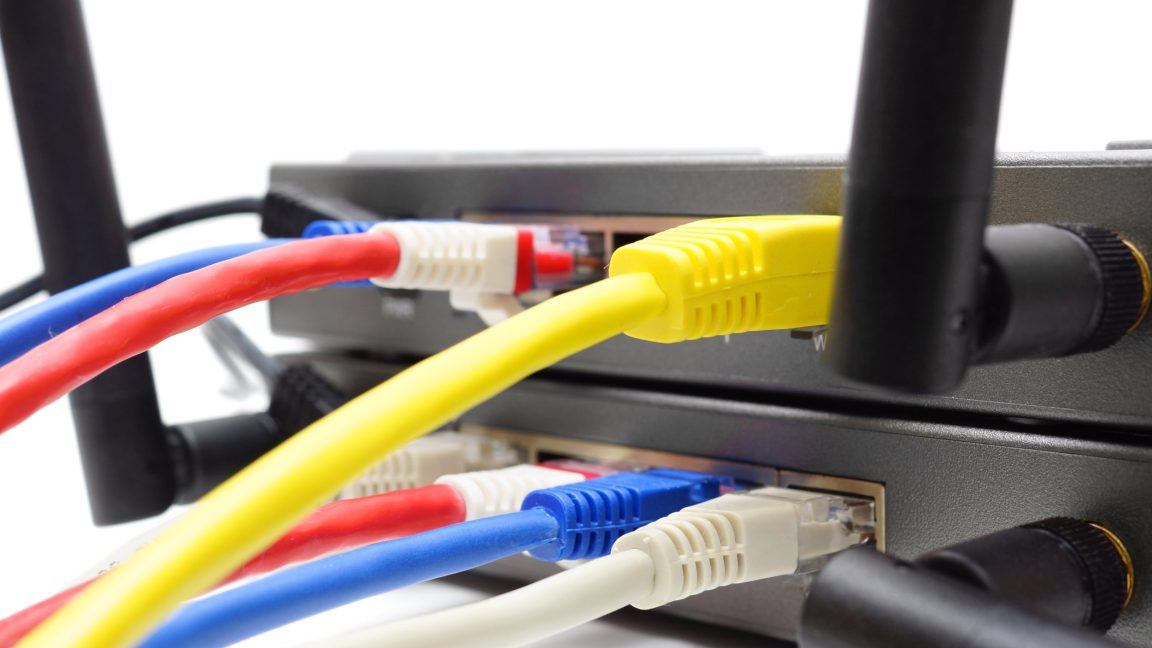
US Government Warns Russian State Hackers Are Compromising Home Routers
US Government Warns of Russian State Hackers Targeting Home and Small Office Routers
Federal cybersecurity authorities have issued a stark warning regarding Russian state-sponsored hackers systematically mass-compromising home and small office routers. According to an advisory released on Monday by the Cybersecurity and Infrastructure Security Agency (CISA), threat actors linked to the Russian Federal Security Service (FSB) Center 16 are exploiting vulnerable networking devices worldwide. These compromised gateways serve as clandestine proxy networks designed to obfuscate malicious operations directed against sensitive public and private sector infrastructure.
The Tech TL;DR:
- The Threat: FSB-linked actors (including Berserk Bear and Energetic Bear) are mass-compromising vulnerable Small Office/Home Office (SOHO) routers.
- The Purpose: The compromised hardware is weaponized into proxy networks to cloak malicious traffic targeting critical infrastructure.
An Escalating Geopolitical Tug-of-War Over Network Infrastructure
According to federal findings, both Russian and Chinese state actors have spent years compromising routers. In many instances, this dynamic has created prolonged tugs-of-war where one nation-state wrests control of a device already commandeered by a rival.
Past remediation efforts by Western governments have largely fallen short. Agencies have occasionally deployed covert commands and direct intervention strategies to disinfect compromised machines, while tech firms like Google have disrupted massive botnets controlling these routers in lockstep. Yet, these interventions frequently devolve into persistent whack-a-mole cycles, as operators quickly provision new botnets to replace neutralized nodes.
The Mechanics of FSB Center 16 Proxy Operations
The campaign specifically targets poorly configured and out-of-date networking gear. The primary objective is establishing resilient proxy infrastructure. By routing traffic through thousands of legitimate consumer-grade devices, attackers effectively mask the origin points of their reconnaissance and exploitation attempts against critical infrastructure networks.
The advisory notes that these threat groups operate under multiple aliases across global intelligence tracking, including:
- Berserk Bear
- Energetic Bear
- Crouching Yeti
- Dragonfly
- Ghost Blizzard
- Static Tundra
The coordinated alert was co-issued by international partners, including government authorities from Australia, Denmark, New Zealand, and the United Kingdom, emphasizing the global scope of the hardware compromise.
Hardening Edge Devices Against State-Sponsored Exploitation
Defending against mass-compromise campaigns requires tightening local device configurations and monitoring outbound traffic anomalies.
#!/bin/bash
# Basic network edge audit script for local gateway interfaces
GATEWAY_IP=$(ip route | grep default | awk '{print $3}')
echo "[*] Auditing local default gateway: $GATEWAY_IP"

# Check for open administrative ports commonly targeted by botnets
nc -zv $GATEWAY_IP 22 80 443 8080 23
if [ $? -eq 0 ]; then
    [WARNING] Potential administrative ports exposed on gateway.
else
    [INFO] Standard port check complete.
fi
The Trajectory of Edge Device Security
As long as commercial routers ship with weak default credentials, legacy firmware, and exposed remote management daemons, state-sponsored botnets will remain a primary vector for obfuscation.
Frequently Asked Questions
Which threat groups are primarily responsible for these router compromises?
According to the CISA advisory, the campaign is driven by Russian Federal Security Service (FSB) Center 16 cyber actors, tracked internationally under various designations including Berserk Bear, Energetic Bear, Crouching Yeti, Dragonfly, Ghost Blizzard, and Static Tundra.
Why do state hackers target home and small office routers?
Attackers mass-compromise these devices to build sprawling proxy networks. This infrastructure obscures the true origin of cyber operations directed against sensitive targets in the public and private sectors.