
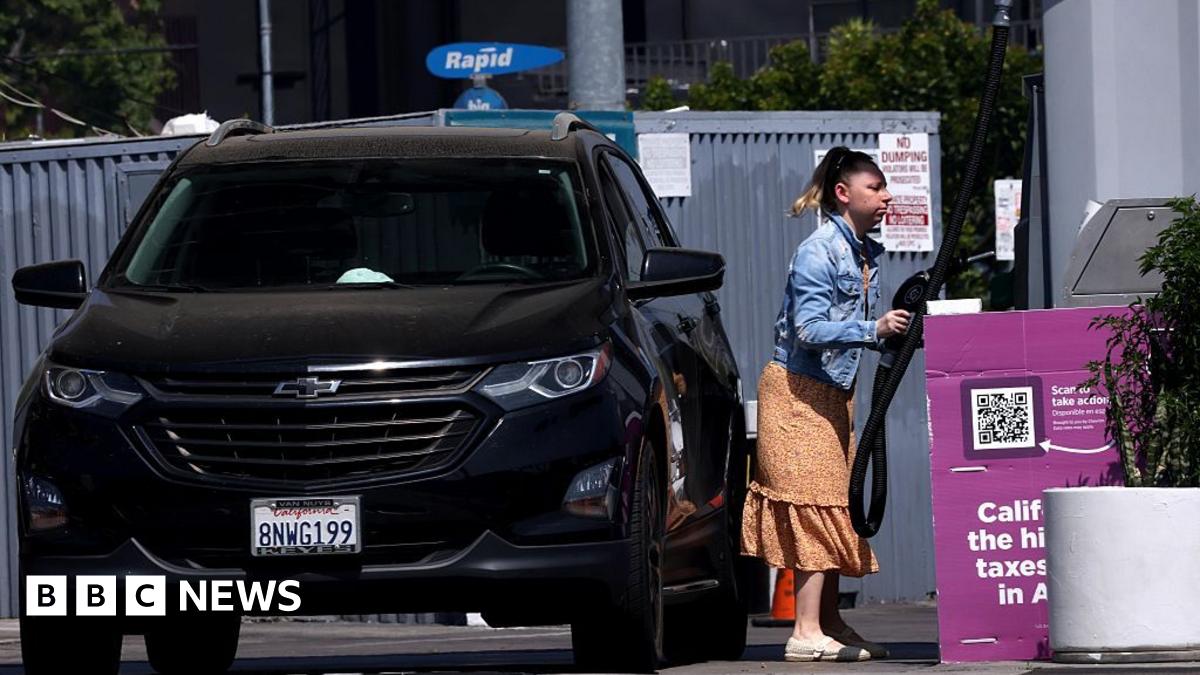
US gas price tops $4 for first time since 2022
US gasoline prices have surged past $4 a gallon nationally for the first time since August 2022, driven by geopolitical instability and tightening global supply. This spike threatens to erode consumer spending and reignite inflationary pressures, particularly impacting discretionary income and transportation-reliant businesses. Moody’s warns a prolonged crisis could significantly dampen economic confidence.
The immediate impact isn’t simply about filling up the tank. It’s about a cascading effect on corporate bottom lines. Transportation costs, already elevated, are poised to climb further, squeezing margins across sectors from retail to manufacturing. Businesses reliant on just-in-time inventory management are particularly vulnerable, facing potential supply chain disruptions and increased warehousing expenses. This isn’t a localized issue; the UK is already seeing double-digit percentage increases in fuel costs, and nations like Sri Lanka and Slovenia are resorting to rationing. The question isn’t *if* this will impact global trade, but *how severely*.
The Geopolitical Premium and Demand Destruction
The current price jump isn’t solely attributable to crude oil fluctuations. While Brent crude has seen upward pressure, the premium reflects a heightened risk assessment tied to ongoing conflicts and potential escalation. According to the US Energy Information Administration (EIA) Short-Term Energy Outlook released March 12, 2026, gasoline prices are projected to average $4.17 per gallon during the summer driving season, a substantial increase from the $3.85 forecast in February. [EIA STEO Report]. This projection assumes a moderate escalation of current geopolitical tensions. A wider conflict could easily push prices above $5.

However, demand destruction is a critical factor. As prices rise, consumers inevitably adjust their behavior. We’re already seeing evidence of this in Australia, where temporary fuel tax cuts and free public transport initiatives are being implemented to discourage driving. This shift in consumer behavior presents both challenges and opportunities. Companies need to anticipate reduced demand for non-essential goods and services, while simultaneously preparing for potential shifts in transportation logistics.
Margin Compression and the Search for Efficiency
The real pain point for businesses isn’t the immediate cost of fuel; it’s the sustained margin compression. Companies are facing a triple threat: rising energy costs, persistent labor shortages, and a softening consumer base. This confluence of factors is forcing a hard glance at operational efficiency.
“We’re seeing a significant increase in inquiries from clients looking to optimize their supply chains and reduce their carbon footprint simultaneously. The current energy crisis is accelerating the trend towards sustainability, not hindering it.”
– Eleanor Vance, Partner, Sustainable Logistics Group
What we have is where specialized expertise becomes invaluable. Companies are turning to supply chain optimization consultants to identify bottlenecks, renegotiate contracts, and explore alternative transportation modes. The need for robust risk management frameworks is paramount.
The Financial Sector’s Response: Hedging and Credit Risk
The financial sector is bracing for increased volatility and potential credit risk. Energy companies are actively hedging their exposure to price fluctuations, while lenders are tightening credit standards for transportation-dependent businesses. The ripple effect extends to the broader economy, as higher fuel costs contribute to inflationary pressures and potentially trigger a slowdown in economic growth.
According to a recent report by JP Morgan Chase, the current energy price shock could shave 0.3-0.5 percentage points off US GDP growth in the second quarter of 2026. [JP Morgan Economic Research]. This underscores the systemic risk posed by sustained high energy prices.
The Role of Alternative Fuels and Energy Transition
The long-term solution isn’t simply to find more oil. It’s to accelerate the transition to alternative fuels and renewable energy sources. While the immediate impact of this transition is limited, the current crisis is serving as a catalyst for investment in sustainable technologies. Companies are increasingly exploring options such as electric vehicles, biofuels, and hydrogen fuel cells.
However, the energy transition requires significant capital investment and regulatory support. Businesses are seeking guidance from specialized environmental law firms to navigate the complex regulatory landscape and secure funding for sustainable projects. The legal complexities surrounding carbon credits, renewable energy mandates, and environmental compliance are substantial, making expert legal counsel essential.
Navigating the Legal Landscape: Contractual Obligations and Force Majeure
The surge in fuel prices is also triggering a wave of legal disputes. Companies are scrutinizing their contracts for clauses related to force majeure and price escalation. The question of whether unforeseen events, such as geopolitical conflicts, constitute a valid excuse for non-performance is likely to be litigated in numerous cases.
Businesses need to proactively assess their contractual obligations and seek legal advice to mitigate their exposure to potential liabilities. A robust legal strategy is crucial for protecting their interests and minimizing financial losses.
The current situation demands a proactive, data-driven approach. Ignoring the warning signs is not an option. Companies that invest in supply chain resilience, risk management, and sustainable technologies will be best positioned to weather the storm and capitalize on the opportunities that emerge.
The coming fiscal quarters will be defined by adaptation. The World Today News Directory provides access to a vetted network of B2B partners – from legal counsel specializing in energy contracts to supply chain experts optimizing logistics in a volatile market. Don’t navigate this turbulence alone. Find the expertise you need to protect your bottom line and secure your future.