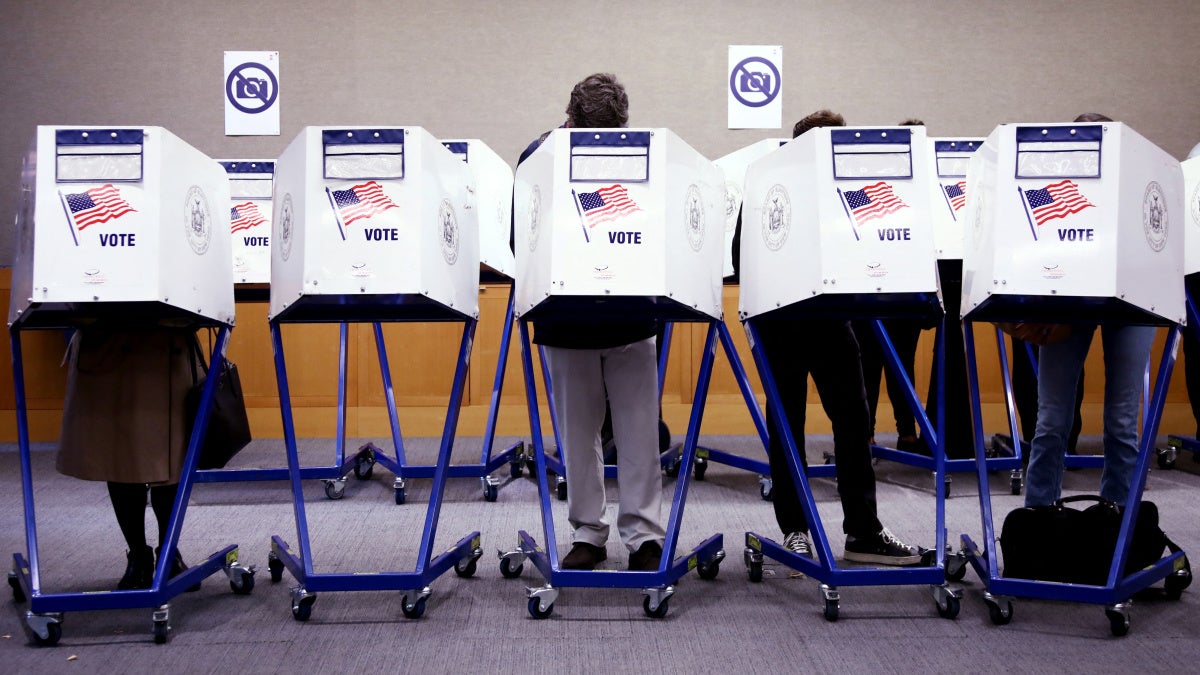
US Federal Officer Deployment at Polls Risks Voter Intimidation
The United States Justice Department announced plans earlier this month to deploy at least 1,000 federal officers to polling places during the upcoming midterm elections, raising immediate concerns over potential voter intimidation in naturalized immigrant and non-English speaking communities. While past deployments enforced voting rights statutes, the current effort coincides with unproven claims of non-citizen voting and warnings of criminal charges for local officials.
Federal authorities are shifting the operational focus of election-period deployments. US Attorney General Todd Blanche and Director of Homeland Security Markwayne Millin have endorsed utilizing Immigration and Customs Enforcement (ICE) or other federal personnel at polling locations.
Shifting Mandates and Historical Precedents
Previous federal deployments during US elections primarily focused on safeguarding the right to vote and actively prohibiting voter suppression under federal statutes. The latest directive breaks from that historical framework. Letters dispatched to local officials by the administration carry explicit warnings of criminal prosecution if non-citizens are allowed to cast ballots. These warnings align with broad administration narratives regarding illegal voting, setting the stage for heightened friction at municipal polling stations.
Legal parameters governing these deployments remain strict. Under US law, federal agents are explicitly barred from engaging in voter intimidation. Yet, administration officials maintain that ICE presences at polling sites will strictly bypass eligible voters possessing legal status. Civil rights advocates dispute these assurances, pointing to documented enforcement actions that regularly ensnare American citizens.
Documented Risks to Citizen Voters
Concerns regarding the 1,000-officer deployment are grounded in recent enforcement data. According to the American Civil Liberties Union (ACLU), at least 155 US citizens across eight states in 2025—including 32 children—faced detention, targeting, or immigration enforcement misconduct, which frequently involved the use of force. Non-white US voters face a higher probability of being stopped or detained by ICE personnel during routine operations.
Recent events underscore the proximity of immigration enforcement to civic spaces. In recent weeks, ICE agents maintained a visible presence at a New York polling station and during a constituent town hall held in Minnesota. The agency’s involvement in handling protesters over recent months compounds anxieties that federal agents stationed inside or near voting sites will suppress turnout among minority and immigrant populations.
International Obligations and Local Preparedness
State and local election officials across the United States remain on high alert. Jurisdictions are evaluating measures to guarantee that every eligible voter retains unhindered access to the democratic process, fulfilling mandates outlined in the International Covenant on Civil and Political Rights. International human rights mechanisms and foreign governments face mounting calls to formally condemn any US government actions that infringe upon voter rights or introduce coercive elements to the ballot box.

As the midterm elections approach, the intersection of immigration enforcement and election administration creates a complex operational matrix for local governments.