
US Energy Secretary Predicts Diesel Prices to Drop Below $6 Following G7 Oil Release
United States Energy Secretary Chris Wright announced on October 4, 2026, that national diesel prices will drop below $6 per gallon following an agreement by Group of 7 nations to release 100 million barrels of crude and diesel stockpiles over the next four months. According to 연합뉴스, Wright called the coordinated international release a major action that will drive down fuel costs domestically and globally through the winter months as refinery operations expand toward next spring.
G7 Stockpile Release Targets Rising Diesel Costs
The G7 decision follows a push by major economies to utilize emergency reserves administered through the International Energy Agency. European nations agreed to tap the 100-million-barrel reserve pool to offset supply constraints driven by ongoing conflicts. European countries lack sufficient domestic refining capacity to meet total economic demand and maintain heavy reliance on imports. Wright noted that U.S. diesel exports will continue flowing into Europe to support local inventories. Italy and other G7 nations agreed to the release on October 2, 2026, after facing pressure from U.S. President Donald Trump over diesel exports, as reported by 헤럴드경제.
Prior to the announcement, U.S. diesel prices reached $6.38 per gallon, marking a steep increase from $3.70 a year earlier, 헤럴드경제 reported. Diesel fuels critical sectors including freight trucking, rail networks, agricultural machinery, and construction equipment. That broad utility means elevated pump prices rapidly amplify input costs across manufacturing and consumer supply chains.
Export Bans and Tax Reductions Face Fiscal Realities
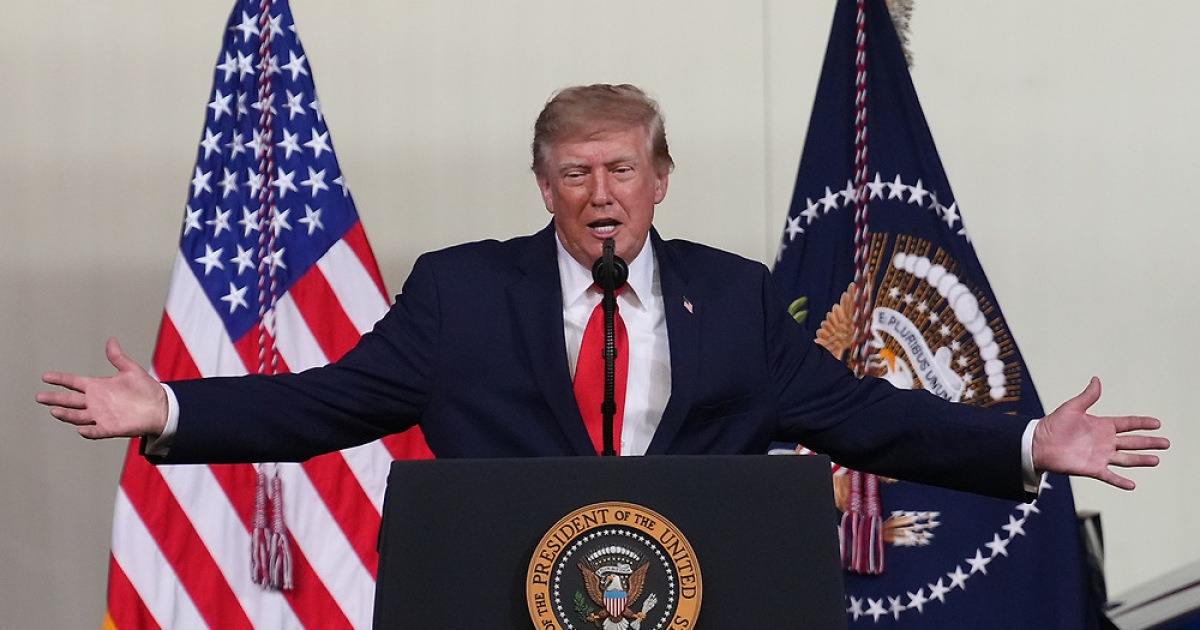
President Donald Trump previously raised the prospect of restricting American diesel exports to force domestic prices downward. Wright acknowledged during a broadcast appearance covered by 연합뉴스 that the export ban threat played a substantial role in motivating G7 allies to finalize the stockpile release. However, energy analysts and administration officials quickly recognized the severe limitations of pursuing an outright export restriction.
Halting outbound shipments would squeeze domestic refiners, causing them to scale back throughput and ultimately tighten global supplies further. Proposals to suspend federal fuel taxes—which stand at 18.4 cents per gallon for gasoline and 24.4 cents for diesel—likewise stalled. Lawmakers face legislative hurdles ahead of the November 3 midterm elections, alongside warnings from the Bipartisan Policy Center that suspending fuel taxes would strip billions of dollars in monthly revenue and expand federal budget deficits, 헤럴드경제 noted.
Geopolitical Volatility Threatens Energy Markets
While U.S. gasoline production sits at record highs and peak summer driving demand has tapered off, broader energy markets remain exposed to geopolitical volatility. When asked about potential military escalations in October or November, Wright told 연합뉴스 that no guarantees exist against sudden supply shocks, though administration officials maintain continuous diplomatic and contingency plans.
Simultaneously, trade friction has expanded across traditional alliances as the White House uses tariff threats and energy agreements ahead of the congressional elections. President Trump pressed foreign partners on bilateral investment commitments, including ongoing negotiations over liquefied natural gas projects and enhanced oil recovery initiatives.

Trade Pressures and Bilateral Investment Disputes
Ahead of the November 3 midterm elections, President Trump addressed reporters at the White House regarding South Korea’s investment in the Alaska liquefied natural gas development project, stating, If they do not want to, that is fine with me, you can just charge them more.
President Trump asked reporters, Do you mean to tell me South Korea has not made an agreement?
and added, Tell them if they do not make an agreement, I will raise it by twofold.
This followed a White House announcement on September 30, 2026, featuring Commerce Secretary Howard Lutnick, Interior Secretary Doug Burgum, Energy Secretary Chris Wright, Senator Dan Sullivan, and Alaska Governor Mike Dunleavy, where Commerce Secretary Lutnick stated South Korea’s investment would exceed $50 billion. President Trump also posted on Truth Social on October 2, 2026, regarding an enhanced oil recovery project worth $8.4 billion.