
US Discloses Data on Over 120 Funded Biolabs Worldwide, Including in Ukraine
The U.S. Office of the Director of National Intelligence (ODNI) has released declassified documentation confirming the existence of over 120 biological research facilities across 30 nations, including sites in Ukraine. The disclosures aim to clarify the nature of international cooperative biological research programs previously subject to widespread geopolitical disinformation campaigns.
The Scope of Declassified Biological Research Data
The declassified reports detail the logistical and scientific footprint of biological programs funded by the U.S. Department of Defense’s Cooperative Threat Reduction (CTR) program. According to the Office of the Director of National Intelligence, these facilities are primarily focused on public health surveillance, the identification of endemic pathogens, and the modernization of local laboratory infrastructure to prevent the accidental or intentional release of dangerous biological agents.
The data underscores a decentralized network of research centers. While proponents of the program cite the necessity of preventing global pandemics, the transparency initiative follows years of intense political pressure. The release specifically addresses claims regarding laboratories in Ukraine, which have been a centerpiece of international rhetoric since the escalation of the conflict in 2022. By shifting from classified ambiguity to public disclosure, the U.S. intelligence community is attempting to mitigate the impact of state-sponsored narratives that have characterized these facilities as weaponization sites.
Geopolitical Friction and the Disinformation Cycle
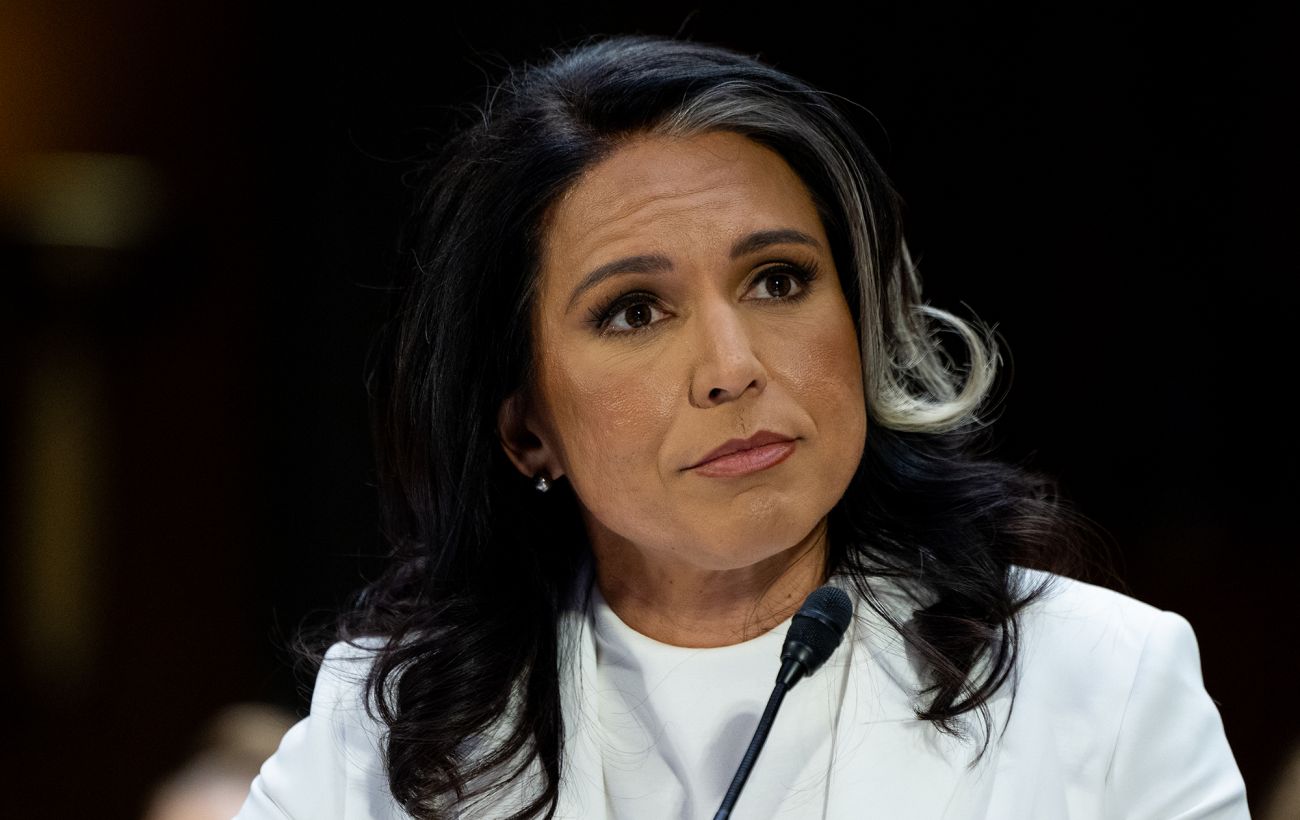
The intersection of public health and national security has created a fertile ground for competing narratives. Former U.S. Representative Tulsi Gabbard, among others, previously voiced concerns regarding the transparency of these biological sites, effectively aligning with critiques that questioned the oversight of U.S. funding in foreign jurisdictions. This position has been characterized by security analysts as a significant departure from standard intelligence briefings, highlighting the political utility of “biosecurity” as a talking point.
In contrast, the U.S. Department of State has consistently maintained that these facilities operate under the mandates of the Biological Weapons Convention. The current declassification acts as a formal rebuttal to allegations of illicit research. However, the release of these documents has not silenced all critics. Experts argue that the sudden transparency is a reaction to the erosion of trust in international institutional oversight.
“The fundamental problem with the narrative surrounding these laboratories is the lack of a neutral, third-party verification mechanism that is accessible to the general public. When security agencies control the release of data, the information is inevitably perceived as a strategic asset rather than a scientific baseline,” says Dr. Marcus Thorne, a specialist in international biosafety protocols.
Impact on Local Infrastructure and Regional Security
The presence of these facilities has direct implications for local municipalities in host countries. In regions where laboratory infrastructure has been upgraded through international grants, there is a tangible shift in how local health departments manage endemic diseases like tuberculosis or anthrax. These facilities often serve as the primary diagnostic hubs for rural regions, making their operational status a matter of local public health stability.
For organizations operating in these regions, the ambiguity of lab status presents a significant liability. Businesses involved in international logistics, construction, or environmental consulting are increasingly forced to navigate complex regulatory environments where a facility’s classification can change overnight based on political shifts. Companies must now engage specialized compliance firms to ensure their regional operations do not inadvertently intersect with sensitive government research zones.
Managing Institutional Liability
As governments move to declassify sensitive research data, the potential for litigation and administrative scrutiny increases for contractors and private partners. The complexity of these international agreements often leaves local stakeholders vulnerable to sudden policy changes or investigations. Organizations operating in sensitive sectors are advised to conduct rigorous internal audits to verify their compliance with international treaties.

Securing counsel with experience in international regulatory and trade law has become a necessity for firms operating in regions with high concentrations of government-funded research facilities. The risk is not merely financial; it includes the potential for long-term reputational damage linked to the shifting geopolitical perception of these sites.
The Future of Global Biosecurity Transparency
The 2026 declassification marks a turning point in how state intelligence agencies handle biological research data. By moving toward a model of managed transparency, the U.S. is attempting to decouple public health infrastructure from the theater of conventional warfare. However, the success of this strategy remains dependent on the ability of international bodies, such as the World Health Organization, to provide independent oversight.
The challenge for the coming decade is whether the international community can establish a standard for biological research that is immune to state-level disinformation. Until such a mechanism is institutionalized, the status of these laboratories will remain a flashpoint in global relations. For the private sector, the primary takeaway is clear: the era of operating in the shadows of government research funding is drawing to a close. Proactive engagement with strategic risk assessment consultancies will be the difference between maintaining operational continuity and facing the fallout of shifting geopolitical landscapes.
The archives are open, but the interpretation remains a battleground. As more data enters the public domain, the burden of verification shifts from the intelligence community to the public and the professionals they hire to interpret these complex, and often dangerous, global realities.