US Charges 3 Malaysian Telecom Executives in $20M Fraud Scheme
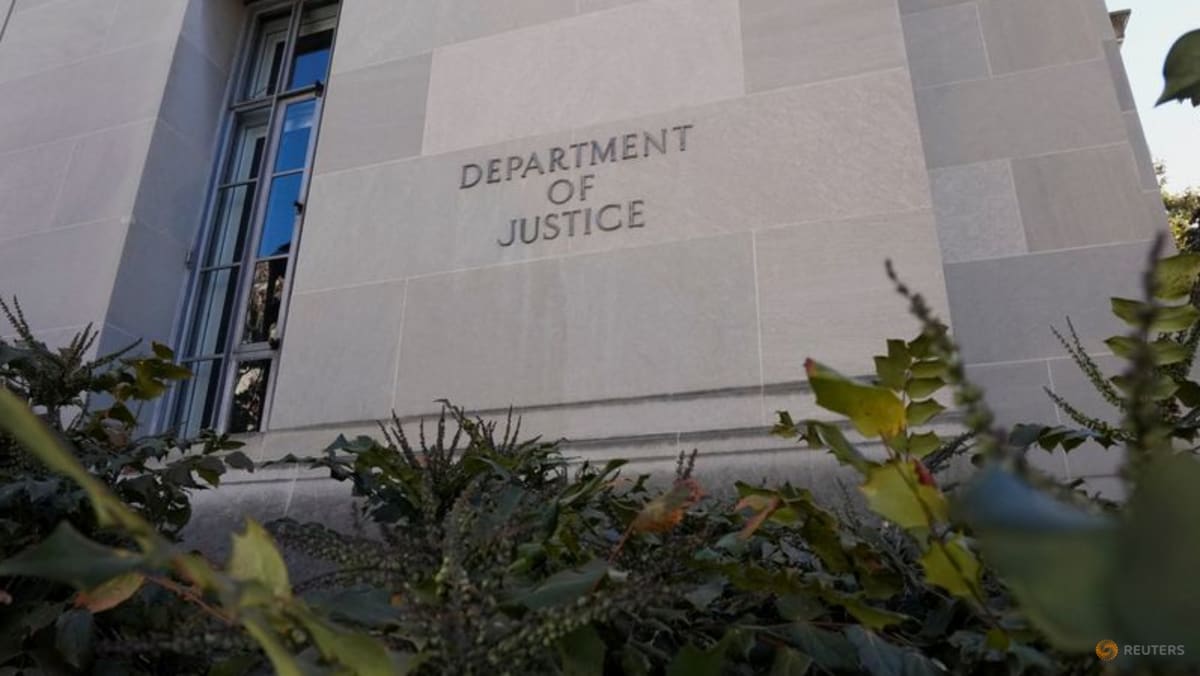
The United States Department of Justice has charged three former executives of Telekom Malaysia’s American subsidiary, TM USA, with orchestrating a $20 million fraud scheme that siphoned funds from the state-backed telecom giant. The indictments, unsealed on May 20, 2026, mark a rare cross-border enforcement action targeting Malaysian state-linked corruption—and raise urgent questions about how this scandal will ripple through Kuala Lumpur’s financial sector, Malaysia’s reputation as a stable investment hub, and the broader implications for Southeast Asian state-owned enterprises (SOEs) operating in the U.S.
The Fraud Scheme: How $20 Million Vanished
According to court documents, the three individuals—all former senior managers at TM USA—are accused of misappropriating funds through a complex web of shell companies and falsified invoices between 2019 and 2023. The scheme allegedly involved overbilling contracts, diverting payments to personal accounts, and manipulating intercompany transfers between TM USA and its Malaysian parent, Telekom Malaysia Berhad (TM). While the DOJ has not yet disclosed the exact mechanisms, industry sources suggest the fraud exploited TM USA’s role as a procurement hub for TM’s global operations, allowing executives to exploit weak internal controls.
“This case is a wake-up call for state-owned enterprises in Southeast Asia. The U.S. Is increasingly scrutinizing financial flows from SOEs, especially where there’s a perception of weak governance. For TM, the reputational damage could be as costly as the financial penalties.”
Geopolitical Fallout: Malaysia’s SOEs in the Crosshairs
Malaysia’s state-linked telecom sector is already under pressure. TM, the country’s largest telecom provider, has faced repeated scrutiny over its financial transparency, particularly after a 2024 audit by the Malaysian Institute of Accountants flagged “material weaknesses” in its internal controls. The DOJ’s action against TM USA executives now forces Kuala Lumpur to confront a deeper dilemma: How do you balance the strategic role of SOEs in national development with the legal risks of operating in the U.S.?

The timing is particularly sensitive. Malaysia is currently courting foreign investment for its National Investment Aspirations (NIA) 2025 initiative, which relies heavily on state-backed projects like TM’s 5G expansion and digital infrastructure push. The fraud charges risk undermining that narrative, especially as the U.S. Tightens its anti-corruption enforcement under the Foreign Corrupt Practices Act (FCPA).
Local Impact: Kuala Lumpur’s Financial Sector on Edge
In Malaysia, the scandal is already sparking panic among local financial institutions. The Malaysian Ringgit (MYR) dipped by 0.3% on May 20 as investors reassessed exposure to state-linked firms. Banks like Maybank and CIMB Group, which hold TM debt instruments, are now facing heightened scrutiny over their due diligence processes.
“The DOJ’s move sends a clear message: No SOE is immune. For Malaysian banks and corporates, this means revisiting their compliance frameworks—especially for U.S.-dollar transactions. The cost of non-compliance is no longer just fines; it’s access to global capital.”
The Long Game: What’s Next for TM and Malaysia?
Telekom Malaysia has pledged “full cooperation” with the DOJ, but the road ahead is fraught with challenges. The company must now:
- Conduct an independent forensic audit of its U.S. Subsidiary’s financial records to identify systemic vulnerabilities.
- Strengthen whistleblower protections to encourage internal reporting of fraud—currently, TM’s ethics hotline has seen a 40% increase in inquiries since the charges were announced.
- Negotiate with U.S. Regulators to avoid asset freezes on TM’s American operations, which could disrupt its $1.2 billion 5G rollout in key markets like New York and Los Angeles.
For Malaysia’s government, the fallout extends beyond TM. The country’s Ministry of International Trade and Industry (MITI) is reportedly drafting guidelines to help SOEs mitigate FCPA risks, including mandatory compliance training for executives dealing with U.S. Entities. However, experts warn that cultural resistance—particularly in state-linked firms—could hinder progress.
Directory Bridge: Who Can Help?
This scandal exposes critical gaps in corporate governance, legal compliance, and financial transparency. For businesses and governments navigating these risks, the following resources are essential:

- [FCPA Compliance Law Firms] – Specializing in cross-border anti-corruption defense and SOE restructuring.
- [Forensic Accounting Firms] – To conduct independent audits and fraud investigations for state-owned enterprises.
- [Geopolitical Risk Consultants] – Assessing exposure to U.S. Sanctions and enforcement actions for Southeast Asian firms.
The Bigger Picture: A Warning for Southeast Asia
The TM USA case is not an isolated incident. In the past year alone, Singapore’s Singapore Pools faced FCPA probes for bribery in Vietnam, and Indonesia’s state oil firm Pertamina settled a $40 million DOJ case over kickback schemes. The message is clear: Southeast Asian SOEs are now in the DOJ’s crosshairs.
For Malaysia, the question is no longer if another high-profile corruption case will emerge—but when. The country’s Anti-Corruption Commission (MACC) has made progress, but without systemic reforms in SOE governance, the cycle of fraud and enforcement will persist. The time to act is now.
The DOJ’s indictments are a reminder that in today’s globalized economy, compliance is not optional—it’s the cost of doing business. For those already entangled in this web, the path forward demands urgent, expert intervention. Find verified professionals who can help navigate these uncharted waters.