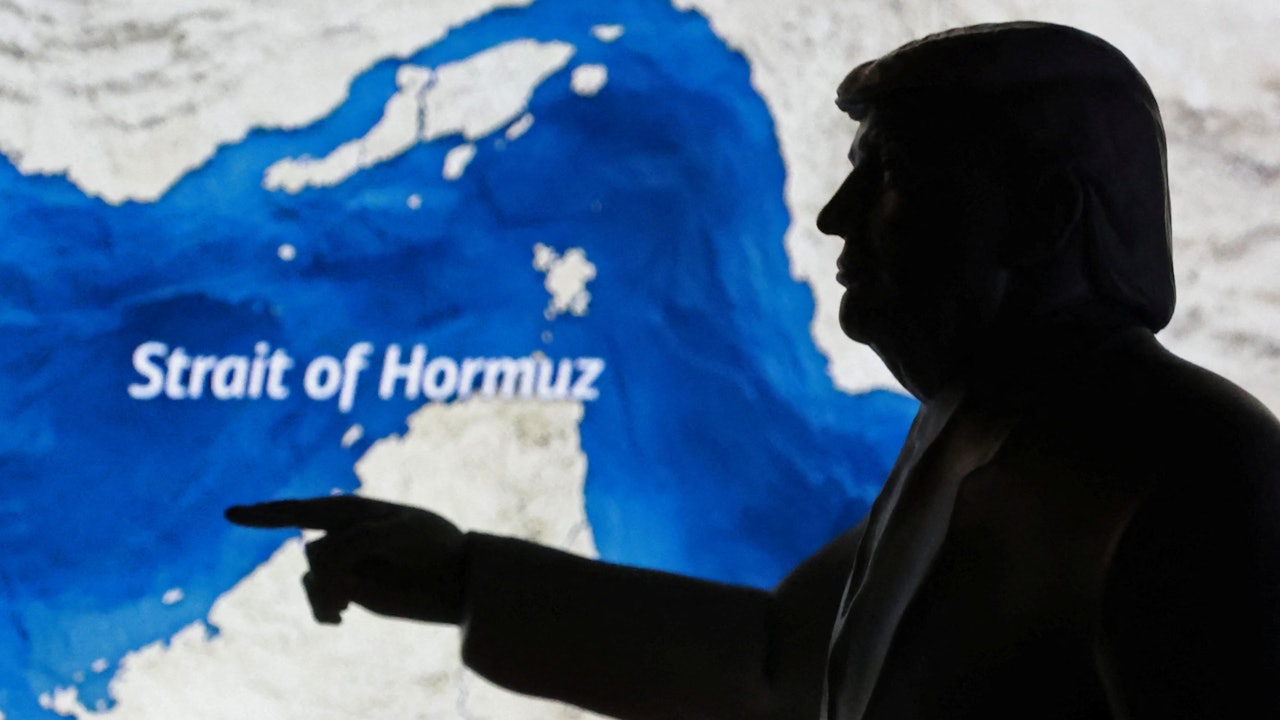
US Blockade of Strait of Hormuz: Impact on Iran and Global Economy
On April 14, 2026, the Trump administration’s strategic blockade of the Strait of Hormuz has effectively neutralized Iran’s maritime leverage, triggering a global energy crisis. By leveraging absolute naval superiority, the U.S. Has severed Tehran’s primary oil export artery, forcing a precarious diplomatic surrender to avoid total economic collapse.
This is not merely a regional skirmish. it is a systemic shock to the global energy architecture. The Strait of Hormuz is the world’s most critical oil chokepoint, with roughly one-fifth of the world’s total petroleum liquids passing through this narrow corridor. When the U.S. Chooses to “close the valve,” the ripple effects move faster than the tankers themselves, impacting everything from Tokyo’s industrial output to European heating costs.
The macro-problem is simple: the world is addicted to a flow of energy that is now subject to the whims of a “maximum pressure” doctrine. For the global corporate sector, this creates a nightmare of volatility. As shipping lanes turn into combat zones, the cost of maritime insurance skyrockets, and “Force Majeure” clauses are being triggered across thousands of B2B contracts.
Companies are no longer looking for “efficient” supply chains; they are looking for survivors. This shift is driving a massive surge in demand for global risk management consultants who can map alternative transit routes and hedge against sudden commodity spikes.
The Asymmetry of Power: Why Tehran is Paralyzed
The analysis from retired Pakistani diplomats and regional observers is stark: Iran has run out of cards to play. For years, Tehran used the threat of closing the Strait as a deterrent—a “nuclear option” for conventional maritime warfare. However, the current U.S. Posture has flipped the script. By initiating the blockade themselves, the U.S. Has stripped Iran of its primary tool of escalation.
Iran’s naval capabilities, centered around quick-attack craft and mine-laying operations, are designed for asymmetric harassment, not for breaking a coordinated U.S. Fifth Fleet blockade. The economic reality is that Iran cannot survive a prolonged total embargo on its oil exports without a complete internal societal collapse.
“The strategic miscalculation in Tehran was believing that the global economy’s dependence on Hormuz oil would protect them. In reality, the current U.S. Administration views that same dependence as a lever to force an immediate, unconditional diplomatic capitulation.” — Analysis attributed to senior fellows at the Council on Foreign Relations
This is raw power politics. The U.S. Is betting that the pain of high oil prices in the West is a price worth paying to permanently dismantle Iran’s regional influence.
The Macro-Economic Fallout: A Global Cost Analysis
The financial world is reeling. HSBC and other global banking giants have warned that the global economy cannot absorb the costs of a prolonged blockade. We are seeing a “risk premium” being baked into every barrel of Brent crude, which in turn drives inflation across the entire consumer price index (CPI) globally.
To understand the scale of the disruption, consider the following comparative impact on global trade stability:
| Impact Vector | Immediate Effect (0-30 Days) | Long-term Structural Shift (6+ Months) |
|---|---|---|
| Energy Prices | Sharp spike in Brent Crude; volatility in spot markets. | Accelerated transition to non-OPEC sources and renewables. |
| Shipping Logistics | Rerouting around the Cape of Quality Hope; increased freight costs. | Permanent diversification of maritime corridors. |
| Insurance | War-risk premiums surge by 300-500% for Gulf transit. | Restructuring of global maritime insurance underwriting. |
| FDI Flows | Capital flight from Middle Eastern emerging markets. | Shift in investment toward “safe haven” energy hubs in North America. |
As the cost of doing business in the Gulf becomes prohibitive, multinational corporations are urgently engaging international trade lawyers to renegotiate delivery terms and navigate the legal complexities of U.S. Sanctions enforcement on “ghost fleet” tankers.
The “Three Birds, One Stone” Strategy
The Trump administration isn’t just targeting Tehran. This blockade serves a broader geopolitical objective. First, it forces Iran to the negotiating table on U.S. Terms. Second, it signals to other regional actors—including Saudi Arabia and the UAE—that the U.S. Remains the ultimate guarantor of security, provided they align with Washington’s interests. Third, it puts pressure on China, which relies heavily on Gulf oil, to either concede on trade terms or identify a way to secure its energy imports without U.S. Cooperation.

The tension is palpable. Reports of sanctioned tankers attempting to slip through the blockade only highlight the desperation of the “shadow fleet” economy. These vessels are operating in a legal gray zone, often changing flags or disabling AIS transponders to evade detection.
“We are witnessing the return of ‘Gunboat Diplomacy’ in the 21st century. The objective is not occupation, but the total control of the flow of capital and calories.” — Senior Analyst, Bloomberg Economics
For the logistics sector, this means the finish of “Just-in-Time” delivery for any component relying on Gulf-sourced petrochemicals. The new mantra is “Just-in-Case.” This has led to a frantic search for supply chain optimization experts who can build redundancy into fragile global networks.
The Shifting Chessboard: What Comes Next?
The immediate future depends on whether Iran chooses a “managed retreat” or a “defiant collapse.” If Tehran suspends its own shipping movements to save face and facilitate negotiations, the markets may see a brief rally. However, if the blockade persists, we are looking at a fundamental realignment of the global energy trade.
The geopolitical gravity is shifting. The era of assuming that “global trade” overrides “national security” is over. We are now in an era where geography is once again destiny, and the ability to control a narrow strip of water can dictate the economic fate of billions.
As the world watches the Hormuz bottleneck, the only certainty is that the old playbooks are obsolete. The winners will be those who can anticipate these shocks and have the professional infrastructure to pivot instantly. Whether you are a hedge fund manager in New York or a manufacturer in Seoul, the ability to find vetted, elite partners in law, finance, and security is the only hedge against an unpredictable world order. The World Today News Directory remains the essential gateway for identifying the specialized firms capable of navigating this new, volatile landscape.